Recover Faster and Feel Better Now
Every major athlete already knows that recovery is the key to advance performance.
- Reduce your stiffness while improving blood flow
- Increase your muscle hydration
- Improve your tissue & myofascial relaxation
Tissue Dysfunction
Myofascial rolling is a compression flexibility technique that uses direct pressure to the the myofascial tissues. Western science doesn’t know a whole lot about the fascia system. Current evidence suggests that a foam rolling produces a neurophysiological response by stimulating sensory receptors in the body. Research has also found that myofascial rolling reduces arterial stiffness and improves vascular endothelial function, which are all connected to age-related physiological changes.
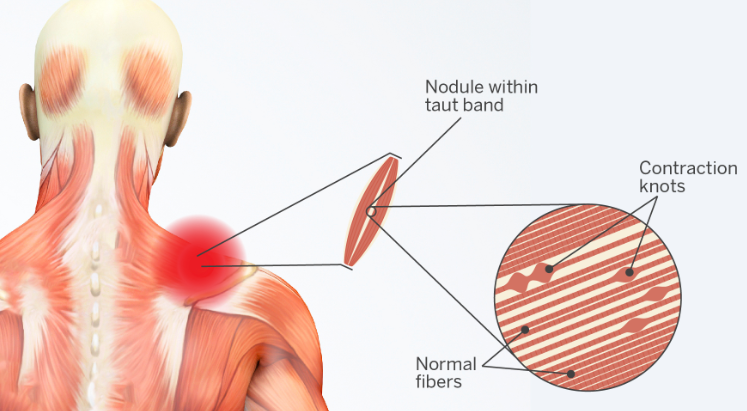
Self-myofascial Release (SMR) is used to inhibit overactive muscle fibers by focusing on the neural and fascial system. Myofascial adhesions are knots in muscle tissue, which can result in altered neuromuscular control. When muscle fibers are altered from myofascial adhesions, the fibrous tissue that surrounds and separates muscle tissue (the fascial system) can get out of alignment.
Areas to Consider:
- Upper body:
- Hip Complex:
- Legs:
SMR Tools
- Myofascial Foam Rollers
- Myofascial Balls: Spherical tools that come in different sizes and densities (often called massage balls).
- Handheld Myofascial Rollers
- Vibration
- Cupping: A form of myofascial therapy commonly practiced in Asian and Middle East cultures that has recently become more popular in the United States.
- Myofascial Flossing: Method intended to increase flexibility and range of motion (also called “voodoo flossing” or “flossing”).
- Instrument-Assisted Soft Tissue Mobilization: Specifically designed instruments to provide a mobilizing effect to scar tissue and myofascial adhesions.
Recommended Tools
Here are a couple of tools that I recommend. I have many years of personal use with them. I give recommendations to them as a personal trainer, and I have given them as gifts on several occasions. Great quality foam rolling tools at an affordable price.
5 inch Ball
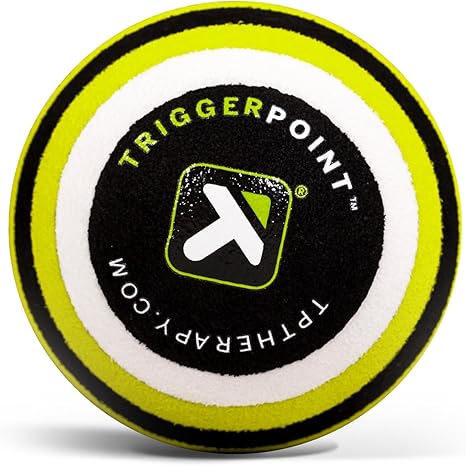
2.6 inch Ball
2.6 inch Ball Extra Firm
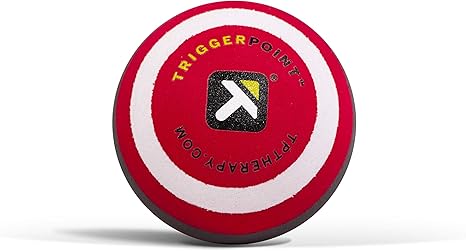
Trigger Massage Point

Roller Bar

Key Points for Application
Consider how to use the right SMR tool for the location of your body. Myofascial rollers vary in shape, size, and density, which the pressure, density, diameter, and texture will give different intensities of sensation. The amount of pressure will obviously dictate the range of gentle sensations to intense discomfort. Yet one should also consider the diameter and density of the foam roller as a hard & small roller will have more “bite” when compared to a soft & big roller. Using a handheld roller can give you more control for sensitive areas such as the quads and calve muscles. Using the body weight on the wall will be a much more gentle touch than your full body weight on the floor. Foam rolling can be a unique ritual in which your body can tell you where tension manifests physically. Take it slow and be mindful of what the discomfort is telling you, and always compare how you feel before and after your rolling sessions.
Step 1: Reduce Overall Tension
Roll the target muscle slowly to identify an tender spot, then hold for a minimum of 30 seconds of continual pressure. Breath and slowly relax into the “discomfort”. You can breath and relax into the target area for 60 seconds or until you feel the reduction of discomfort is adequate.
Tender spots, usually indicates the presence of muscle tension (hypertonicity). SMR is best done before stretching because the breaking up of fascial adhesions can potentially improve the tissue’s ability to lengthen through correct stretching techniques. Foam rolling is an excellent way to warm up.
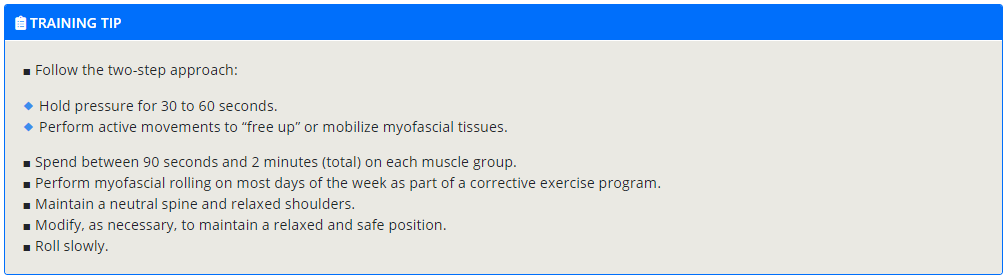
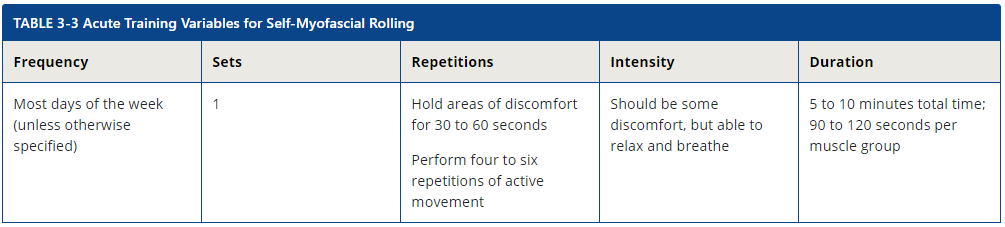
Step 2: Introduce Tissue Movement
For example, foam rolling your calves can be progressed by ankle movements, which will move the calf tissue under the compression and will allow for a deeper affect.
Precautions & Contraindications
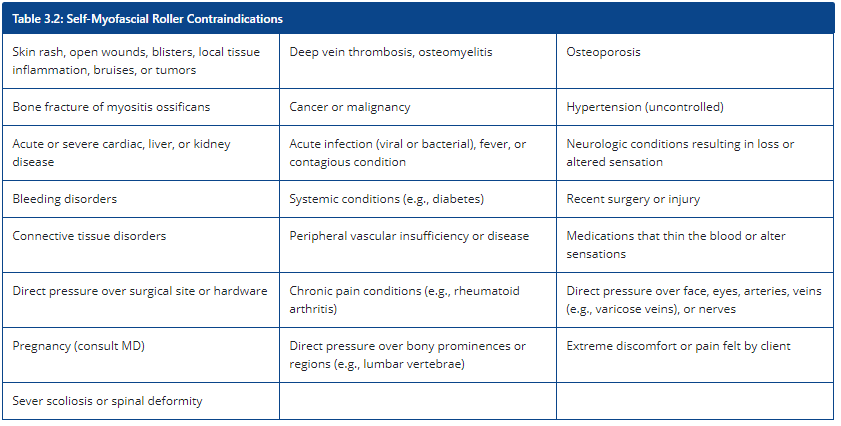
While SMR is a powerful and effective tool for recovery, joint mobility, muscle correction, and overall good health; there are some things to be careful of. It is not recommended to roll your lumbar as the thoracic spine is reinforced by your ribcage and your lower back is not, so the risk of injury is high. It is also not recommended to wake up and immediately start foam rolling as your body chemistry needs some time to “wake up” after sleep. Some contraindications is as follows on table 3.2. Should you have health concerns you should always consult with your doctor to get approval for foam rolling especially if there is hypertension concerns.
Leave a Reply