• Skip to primary navigation
  • Skip to main content

ReGroove Fitness

by Wellness Coach Dan Ma

  • Somatic Performance
    • Martial Movement
    • Skill-Based Exercise
  • Wellness Program
  • About
  • Location
  • Testimonials

Fitness & Health

The Pallof Press

February 4, 2021 by Dan Ma Leave a Comment

This anti-rotation hold is a total body-stabilization exercise designed to strengthen your stabilizing muscles in the shoulders and core. A strong core is essential for a successful backpacking adventure as the Earth will throw many unstable challenges to your core as it shifts throughout all three planes of motion. 

Anchor a light band into a structure about chest height, or you can use a friend to hold it for you! Your shoulders should be “locked”. To lock your shoulders press them down and together; feel a nice stretch in your chest. Hold the band with both hands in front of your chest. Play around with the distance to get moderate resistance. Pull your core in and engage your glutes. Slowly extend your hands away and feel the same hand / Glute engagement. Adjust your distance for resistance. Don’t let your shoulder and hip complex move out of alignment. Also remember to check your neck posture from the text-neck posture. Start light on resistance and aim for 12 repetitions with a set for both sides. The tempo means one second of timing to extend, two seconds of an isometric hold after full extension, and four seconds for retraction. 

The tempo 4/2/1:

  • 4 eccentric: movements that lengthens muscles at the same time it is being contracted (lowering weights & the downward motion of squats).
  • 2 isometric: muscle contraction without movement.
  • 1 concentric: movements that shorten muscles while producing force (the contraction).

Progression

  1. Max out at 20 reps and 1 set for each side (2 sets) for moderate choice of band resistance.
  2. Further progression with increasing the number of sets to 4 (2 for each side).
Filed Under: Blog, Fitness & Health

Myofascial Foam Rolling

January 30, 2021 by Dan Ma Leave a Comment

Recover Faster and Feel Better Now

Every major athlete already knows that recovery is the key to advance performance.

  • Reduce your stiffness while improving blood flow
  • Increase your muscle hydration
  • Improve your tissue & myofascial relaxation

Tissue Dysfunction

Myofascial rolling is a compression flexibility technique that uses direct pressure to the the myofascial tissues. Western science doesn’t know a whole lot about the fascia system. Current evidence suggests that a foam rolling produces a neurophysiological response by stimulating sensory receptors in the body. Research has also found that myofascial rolling reduces arterial stiffness and improves vascular endothelial function, which are all connected to age-related physiological changes.

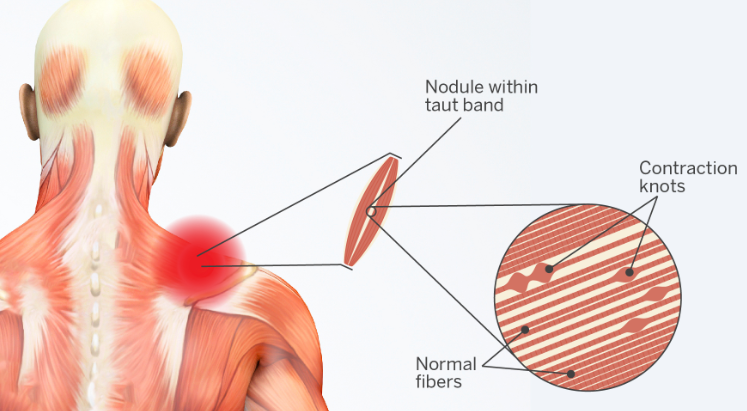
Self-myofascial Release (SMR) is used to inhibit overactive muscle fibers by focusing on the neural and fascial system. Myofascial adhesions are knots in muscle tissue, which can result in altered neuromuscular control. When muscle fibers are altered from myofascial adhesions, the fibrous tissue that surrounds and separates muscle tissue (the fascial system) can get out of alignment.

Areas to Consider:

  • Upper body:
    • Thoracic Spine
    • Latissimus Dorsi
    • Pectorals
    • Upper Trapezius
    • Levator Scapulae
  • Hip Complex:
    • Hip Flexor
    • TFL / IT-Band
    • Piriformis
  • Legs:
    • Biceps Femoris
    • Gastrocnemius / Soleus
    • Quadriceps
    • Adductors
    • Feet

SMR Tools

  • Myofascial Foam Rollers
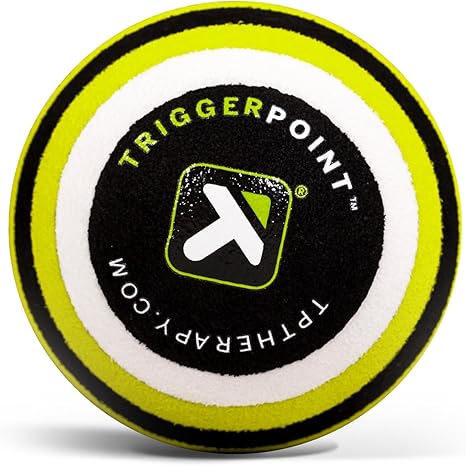
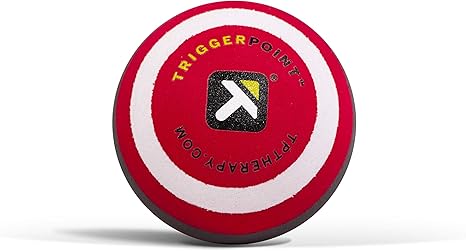
  • Myofascial Balls: Spherical tools that come in different sizes and densities (often called massage balls).
  • Handheld Myofascial Rollers
  • Vibration
  • Cupping: A form of myofascial therapy commonly practiced in Asian and Middle East cultures that has recently become more popular in the United States.
  • Myofascial Flossing: Method intended to increase flexibility and range of motion (also called “voodoo flossing” or “flossing”).
  • Instrument-Assisted Soft Tissue Mobilization: Specifically designed instruments to provide a mobilizing effect to scar tissue and myofascial adhesions.

Recommended Tools

Here are a couple of tools that I recommend. I have many years of personal use with them. I give recommendations to them as a personal trainer, and I have given them as gifts on several occasions. Great quality foam rolling tools at an affordable price.

5 inch Ball

2.6 inch Ball

2.6 inch Ball Extra Firm

Trigger Massage Point

Roller Bar


Key Points for Application

Consider how to use the right SMR tool for the location of your body. Myofascial rollers vary in shape, size, and density, which the pressure, density, diameter, and texture will give different intensities of sensation. The amount of pressure will obviously dictate the range of gentle sensations to intense discomfort. Yet one should also consider the diameter and density of the foam roller as a hard & small roller will have more “bite” when compared to a soft & big roller. Using a handheld roller can give you more control for sensitive areas such as the quads and calve muscles. Using the body weight on the wall will be a much more gentle touch than your full body weight on the floor. Foam rolling can be a unique ritual in which your body can tell you where tension manifests physically. Take it slow and be mindful of what the discomfort is telling you, and always compare how you feel before and after your rolling sessions.

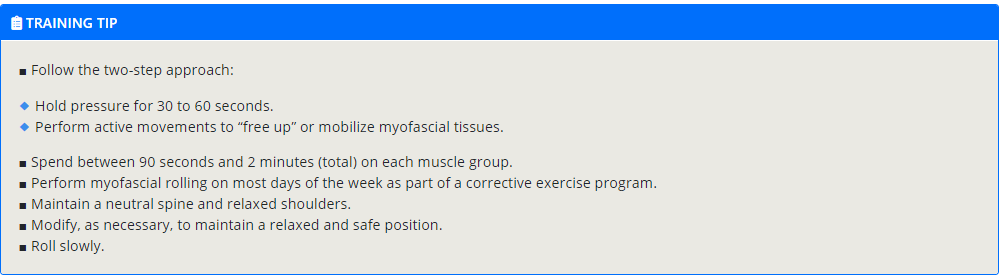
Step 1: Reduce Overall Tension

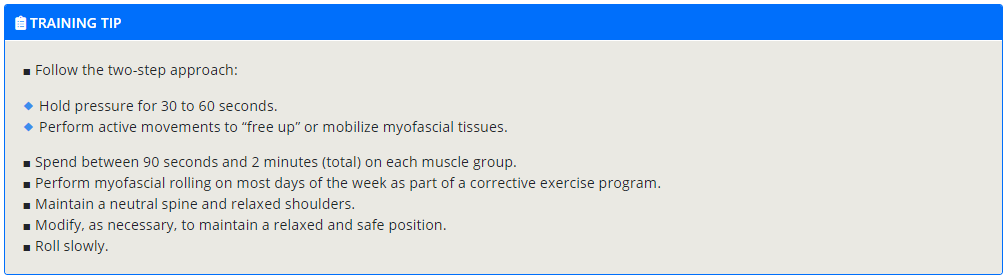
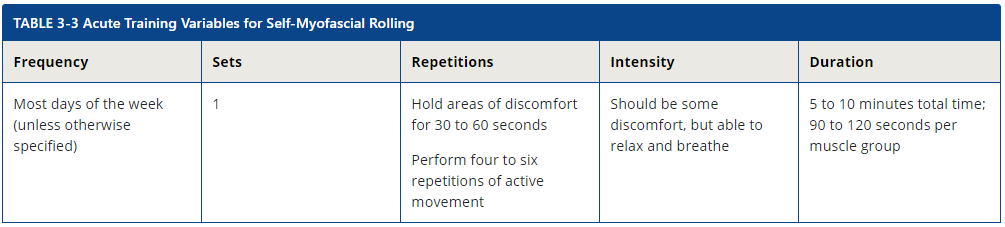
Roll the target muscle slowly to identify an tender spot, then hold for a minimum of 30 seconds of continual pressure. Breath and slowly relax into the “discomfort”. You can breath and relax into the target area for 60 seconds or until you feel the reduction of discomfort is adequate.

Tender spots, usually indicates the presence of muscle tension (hypertonicity). SMR is best done before stretching because the breaking up of fascial adhesions can potentially improve the tissue’s ability to lengthen through correct stretching techniques. Foam rolling is an excellent way to warm up.

Step 2: Introduce Tissue Movement

For example, foam rolling your calves can be progressed by ankle movements, which will move the calf tissue under the compression and will allow for a deeper affect.

Precautions & Contraindications

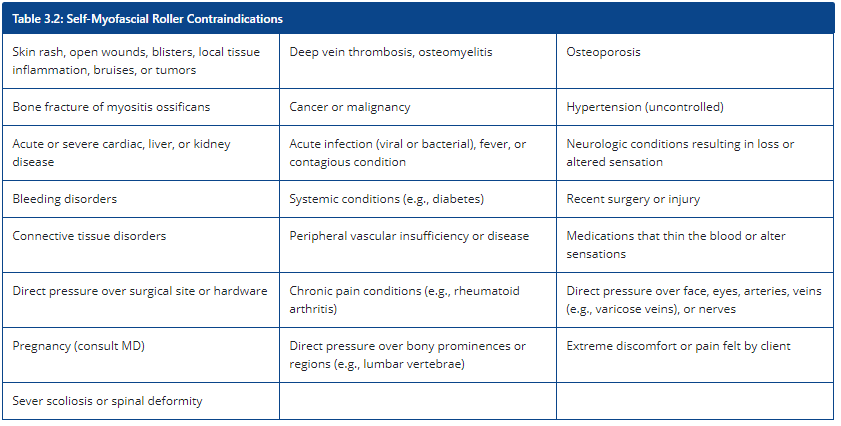
While SMR is a powerful and effective tool for recovery, joint mobility, muscle correction, and overall good health; there are some things to be careful of. It is not recommended to roll your lumbar as the thoracic spine is reinforced by your ribcage and your lower back is not, so the risk of injury is high. It is also not recommended to wake up and immediately start foam rolling as your body chemistry needs some time to “wake up” after sleep. Some contraindications is as follows on table 3.2. Should you have health concerns you should always consult with your doctor to get approval for foam rolling especially if there is hypertension concerns.

Filed Under: Blog, Fitness & Health

4 Reasons Why Stability Training Is Important

July 28, 2020 by Dan Ma Leave a Comment

Stability Exercise trains your ability to control your body through movement on unstable surfaces, which greatly increases your neuromuscular control of your balance while strengthening your stabilizing muscles. Below are four important reasons you should include stability exercises into your training.

It Improves Athletic Performance

Functional & athletic movement cannot function optimally if there are muscle imbalances. Muscle imbalances lead to injuries. Injuries can bring training to a complete stop of progression.

Core Stability Can Help for Lower Back Pain

If you’re like me, then too much sitting gave you chronic lower back pain. Chiropractic and ergonomics was not enough for me. I had to go through a core strengthening program to keep back-attacks away.

Injury Prevention

If a muscle for any particular movement doesn’t do their fair share of the work, it passes the work to other muscles. Over time if this movement becomes a repetitive movement (like sitting for long hours), which can cause the muscle to become weak and others too strong. This is how muscle imbalances are started. Changes in both length and muscle tension can alter the a joint’s resting position and cause chronic stress. Stabilization training strengthens stability muscles, so they can be supportive to the kinetic chain.

It Improves Longevity

Improving your posture, coordination, and sense of balance is crucial for those transitioning into their golden years. Fall prevention programs usually look like this:

  1. The fear of falling: Being afraid of falling makes it harder to not fall as walking with stiffer, smaller, and slower steps might feel safer, it leads to the opposite effect by falling.
  2. Resistance training: This is usually done with flexibility, stability, and functional movement.
  3. Cognitive training: Often overlooked in many fall prevention programs, but our neuromuscular abilities play a huge role in keeping balanced.

Martial Arts & Stability Training

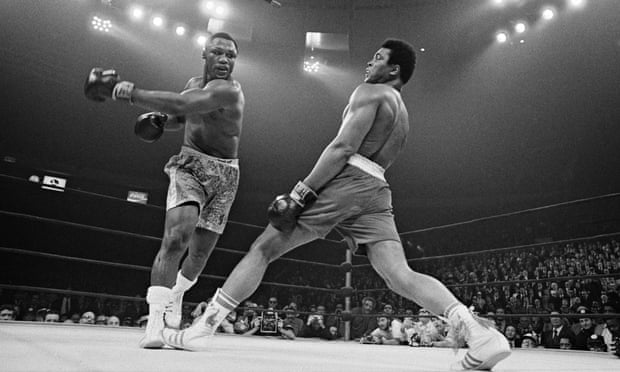
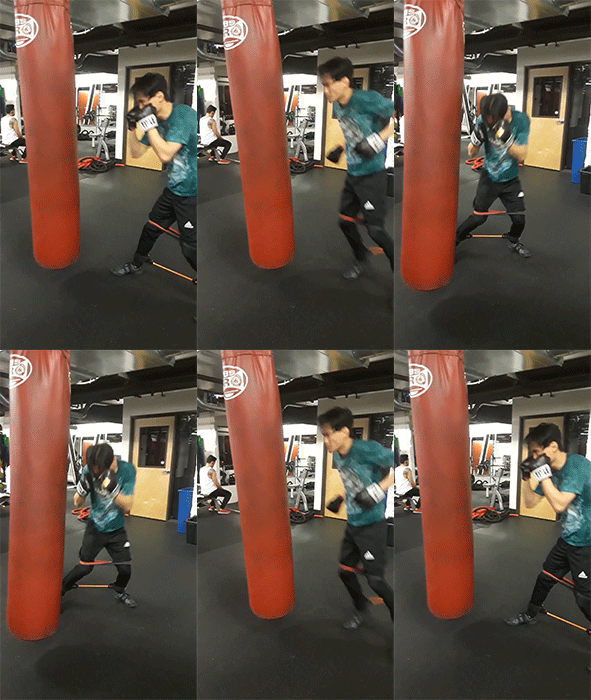
Anyone who has played around with boxing will understand how important stability is for generating power and agility. There are numerous styles that focus on rooting, grounding, and centering yourself as a means of stability training. In fact a huge part of martial art training is stability training. My martial art training address all three of these concerns. Stance training are often referred to as rooting and grounding, and are excellent ways to improve the physical components of stability. Stance training can also come in the form of standing and moving meditations, which seek to improve the non-physical aspects of health such as centering and mindful meditations. Stability training in martial arts is challenging and fun with many different kicking exercises and footwork drills that progress into SAQ & plyometric exercises. Unfortunately football isn’t something you can carry into old age, but martial arts on the other hand, grows gracefully into the golden years–especially soft styles like Wing Chun and Tai Chi.

This guy did ballet

Stability exercises will definitely improve your physical activities. Learning new activities is probably one of the best things you can do for your body and neuromuscular health. Are you looking for something new or is your body in pain? Try a free online consultation with me, I’d love to hear from you and learn about your fitness goals. Comment below and share what you think.

Recommended Balance Board

Here is a link to a balance board that I have been using for years. I have recommend this brand and model to my clients and have given them out as gifts.

Filed Under: Blog, Fitness & Health

NASM Assessment Templates

January 24, 2020 by danma Leave a Comment

NASM-CPT_Client_Readiness_for_Exercise_Worksheet

NASM-CPT_Body_Composition_Assessment_Templates

NASM-CPT_Cardio_Assessment_Template

NASM-CPT_Static_Posture_Assessment_Templates

NASM-CPT_Dynamic_Posture_Assessment_Templates

NASM-CPT_Assessment_Solutions_Table

NASM-CPT_Strength_Assessment_Templates

NASM-CPT_Table_7_6

Filed Under: Fitness & Health, NASM CPT Certification Training

The Versatility of Martial Arts Practice Using NASM’s OPT Model

January 22, 2020 by danma Leave a Comment

NASM markets its OPT Model or Optimum Performance Training Model as a versatile, scientifically based system that can address fitness goals from clients of any age or skill. Having been involved with martial arts for about 25 years, and embarking in getting certified in Octavio Quintero’s Art of JKD system, I wanted a fitness training system that is accessible to everyone, because I want to help those with or without a martial arts interest.

The OPT Model operates on a three-level block structure with five phases of training. Starting with the foundation of Stabilization, then Strength, and lastly Power on the top.

The Stabilization Level

The first level has one phase of training called Stabilization Endurance that focuses on increasing muscular endurance & stability while optimizing neuromuscular coordination. This phase is proprioceptively based, which means that it progressively introduces greater challenges of stabilization to the body instead of increasing the weight load. A stabilizer muscle is a smaller and weaker muscle than compared to a prime mover muscle. The theory of Stabilization Endurance is to safely produce a strong supporting foundation. If the client’s goal is to develop larger muscle mass, they must have proper Stabilization Endurance before they can they can progress to the higher two levels. From a martial arts perspective, in order to be effective, you need to grounded. An unstable practitioner will not be able to generate power in their strikes and will also lack reliable mobility. Those who wrestle will also suffer from a lack of stability, because good leverage is dependent on grounding and proper structure. The first level of the OPT Model is an excellent choice for those who have a goal of improving muscular endurance, joint stability, flexibility, posture, stability, and coordination. Inefficient stabilization will lead to injuries, something that I have learned the hard way. Skimping on foundational training in the pursuit of fast results can lead to muscle imbalances that stress the skeletal system and overloads soft tissues. Injuries can set back goals by two-folds or more, so from this perspective “slow” is actually “faster”. Have you ever been slowed down by going too fast?

Resistance Exercises for Stabilization

  1. Multiplaner Step-Up to Balance: Standing on one leg is a great exercise to challenge your stability, which is used by many Chinese martial art systems. Climbing the stairs is a great way to increase your muscle endurance in your legs. This exercise has elements of both.
  2. Ball Dumbbell Chest Press: The stability ball activates stabilizer muscles such as your core, upper back, and biceps.
  3. Multiplaner Single-Leg Box Hop-Up with Stabilization: As the name of the exercise suggests, it trains stability by launching and landing on one leg, but it can also train power depending on the explosiveness of the practitioner.

The Strength Level

The second level has three phases of training:

  • Phase 2: Strength Endurance
  • Phase 3: Hypertrophy
  • Phase 4: Maximal Strength

The focus of the second phase is to maintain the first level while increasing prime mover strength. Those who train in this phase are looking to improve stabilization endurance & prime mover strength, joint stabilization, and lean body mass. The third phase addresses those who have goals of increasing maximal muscle growth, while the fourth phase works toward the goal of maximal prime mover strength. Strength training in martial arts can be a heated debate that can have many opposing opinions and several different paths of focus. If we have to use Mixed Martial Arts as a litmus test, there are just as many successful athletes who focus on strength training as to those who don’t. What I continually admire about martial arts is the diversity in disciplines. What are your thoughts on strength conditioning within martial arts?

Resistance exercises for Strength

  1. Barbell Squat: This exercise focuses on the prime movers of the gluteals & quadriceps, but also help work the abdominal stabilizers.
  2. Flat Dumbbell Chest Press: This exercise works the prime mover of the pectoralis major.
  3. Seated Cable Row: This exercise works the prime movers of the lats and rhomboids.

The Power Level

The last level of training requires the first two levels of training as higher loads have higher demands on the body and will lead to injuries without training in the first two levels. Those who train in this level have goals of enhancing neuromuscular efficiency, prime mover strength, and increased rate of force production. Phase five uses traditional strength training superset with power exercises (light load performed as fast as possible). The concept of Power within martial arts is an interesting topic for me. There are a lot of different philosophies on how to create power, but I’d like to generally contrast external force versus internal force concepts on how to generate power. If we take the power equation of force times velocity equals power, external based styles can increase their force by increasing their body mass, though will generally be at odds of being able to increase their speed. Another external method will focus on increasing force by using postural structure that uses the ground’s force (or borrowing the Earth’s mass) as well as exercises designed to increase their speed. Internal methods can be greatly different from external methods. Of course, there are styles that can be both external and internal, but the crux of the difference revolves around relaxation to create “soft power”, because tension kills velocity. This method will also focus on minimal muscle contractions that relies more on skeletal, tendon, and fascia strength. There are other philosophies that go into the realm of the esoteric as these types of martial arts are ancient in origin, which can be challenging to discuss in our scientific western world. However, there are emerging peer-reviewed studies that force us to question what we think we know about the human body and the world we live in. How about you, do you hold unpopular beliefs that buck our scientific conventions?

Resistance exercises for Power

  1. Squat Jump: This exercise is a great aerobic and plyometric workout that builds explosive jumping power utilizing contraction-velocity.
  2. Rotation Chest Pass: This exercise builds explosive power in the prime mover of the pectoralis major utilizing contraction-velocity.
  3. Soccer Throw: This exercise promotes explosive power in the prime mover of the shoulders utilizing contraction-velocity.

Filed Under: Blog, Fitness & Health, NASM CPT Certification Training

« Previous Page
  • Somatic Performance
  • Wellness Coaching
  • About
  • Blog
  • Contact

ReGroove Fitness | Somatic Personal Training in Portland, OR


Loading Comments...