• Skip to primary navigation
  • Skip to main content

ReGroove Fitness

by Wellness Coach Dan Ma

  • Somatic Performance
    • Martial Movement
    • Skill-Based Exercise
  • Wellness Program
  • About
  • Location
  • Testimonials

Blog

The Wood Chop

February 22, 2021 by Dan Ma Leave a Comment

This versatile core exercise has a lot of great benefits for your core.

  1. Multi-planer movement: This exercise challenges the 3 planes of motion:
    1. Sagittal Plane: Forward and backward movements.
    2. Frontal Plane: Side-to-side movements.
    3. Transverse Plane: Twisting movements.
  2. PNF movement: The Wood Chop exercise is in the Proprioceptive Neuromuscular Facilitation pattern, because of diagonal arc of motion within the midline of the body. PNF movement is fundamental to the human movement that involves spiral vectors or diagonal line of actions within the body using simultaneous coordination of several joints.
  3. Versatility: Can be used for stabilization, strength, and power training depending on modification and acute variables. Sitting, standing, with an object, without an object, cable, or with bands…

The Seated Wood Chop

  • Position: Sit on an object that will give you ideally 90 degrees of bend in your knees. Let your feet be flat on the floor and a shoulder width open or more. A wider stance will dictate the level of intensity of stability. A stability ball and the ilk will give balance a greater challenge as to a stable object.
  • Resistance: You can choose to hold an object for resistance or you can use a cable system or bands. Be sure to orient yourself where the anchor of the resistance is on your flank. In other words, if you are starting with your left, the anchor point would be located to your left as you are facing forward. You will ideally have the anchor point higher than your shoulder.
  • Motion: Clasp the resistance with both hands above on either side, then bring it down and across your body towards your hip on the other side below. Depending on the condition of the body, the most gentle variation is to not rotate the spine.
  • Benefits: Targets the shoulders, core, and hip complex while limiting demand on the body’s lower half.

The Kneeling Wood Chop

  • Position: The width of your stance will dictate the intensity. Tucking the toes of the back leg will provide more stability.
  • Benefits: Targets the hips, core, and shoulders in a more integrated manner.

The Standing Wood Chop

The original gangster of of Wood Chops!

  • Position: Your stance can vary in width as long as your feet is at least a hip width apart and your knees are aligned over your feet.
  • Resistance: This exercise is typically used in gyms with cable systems, and almost anywhere with resistance bands. Similarly to the seated version, you will ideally have the anchor point higher than your shoulder.
  • Motion: Using an athletic stance, clasp the resistance with both hands above on either side, then bring it down and across your body towards your knee as your rotate to the other side. Be sure to push with the leg closest to the anchor point and get triple extension (ankle, knee, and hip. Abs in and maintain optimal spinal alignment.
  • Benefits: A wide “horse” stance integrates the foot and ankle. An athletic stance (wider than shoulders) is a sporting position that is used in most sports. A narrow stance will increase the stability challenge.

The Stagger Stance Wood Chop

  • Position: If using the left side first, get into a split stance with the left leg forward and the right leg back. The heel on the back leg can be on the ground or can be up off the ground to enable greater intrinsic foot muscle action.

The Lunge Wood Chop

  • Motion:
    • Ipsilateral: If using the left side first, step back with the right leg into a lunge while you perform the wood chopping motion down towards your right hip. Keep your knees from touching the ground.
    • Contralateral: If using the left side first, step back with the left leg into a lunge while performing the wood chopping motion down towards your right hip.

Single-leg Wood Chop

  • Motion:
    • Ipsilateral: If using the left side first, stand with your left foot off the ground while you perform the wood chopping motion down towards your right hip.
    • Contralateral: If using the left side first, stand with your right foot off the ground while you perform the wood chopping motion down towards your right hip.

Filed Under: Blog, Fitness & Health

Types of Muscle Contractions

February 17, 2021 by Dan Ma Leave a Comment

What happens when you make a muscle? It depends on what muscle contraction you are using. There are three types:

  1. Concentric contraction: Widely known as muscle contraction. While they do look nice, the force generated by the muscle is less than the muscle’s maximum as the muscle shortens. It uses more energy than the other two types, and it generates the least amount of force.
  2. Eccentric contraction: The external force on the muscle is greater than the force that the muscle can create, which then the muscle is forced to lengthen due to the high external load. The maximal force generated by the muscle is the highest, but the energy consumption is the lowest.
  3. Isometric contraction: This contraction creates force without changing muscle length. It requires high amounts of energy through the force generated by the muscle. This force is equal to the external load.

Filed Under: Blog, Fitness & Health, Uncategorized

Kettlebell Squats

February 11, 2021 by Dan Ma Leave a Comment

Goblet squat

Kettlebell Swing

Kettlebell Clean

Kettlebell Clean and Press

See Kettlebell Clean.

Single-Arm Squat To Press

Kettlebell High Pull

Kettlebell Snatch

Filed Under: Blog, Fitness & Health

The Pallof Press

February 4, 2021 by Dan Ma Leave a Comment

This anti-rotation hold is a total body-stabilization exercise designed to strengthen your stabilizing muscles in the shoulders and core. A strong core is essential for a successful backpacking adventure as the Earth will throw many unstable challenges to your core as it shifts throughout all three planes of motion. 

Anchor a light band into a structure about chest height, or you can use a friend to hold it for you! Your shoulders should be “locked”. To lock your shoulders press them down and together; feel a nice stretch in your chest. Hold the band with both hands in front of your chest. Play around with the distance to get moderate resistance. Pull your core in and engage your glutes. Slowly extend your hands away and feel the same hand / Glute engagement. Adjust your distance for resistance. Don’t let your shoulder and hip complex move out of alignment. Also remember to check your neck posture from the text-neck posture. Start light on resistance and aim for 12 repetitions with a set for both sides. The tempo means one second of timing to extend, two seconds of an isometric hold after full extension, and four seconds for retraction. 

The tempo 4/2/1:

  • 4 eccentric: movements that lengthens muscles at the same time it is being contracted (lowering weights & the downward motion of squats).
  • 2 isometric: muscle contraction without movement.
  • 1 concentric: movements that shorten muscles while producing force (the contraction).

Progression

  1. Max out at 20 reps and 1 set for each side (2 sets) for moderate choice of band resistance.
  2. Further progression with increasing the number of sets to 4 (2 for each side).

Filed Under: Blog, Fitness & Health

Myofascial Foam Rolling

January 30, 2021 by Dan Ma Leave a Comment

Recover Faster and Feel Better Now

Every major athlete already knows that recovery is the key to advance performance.

  • Reduce your stiffness while improving blood flow
  • Increase your muscle hydration
  • Improve your tissue & myofascial relaxation

Tissue Dysfunction

Myofascial rolling is a compression flexibility technique that uses direct pressure to the the myofascial tissues. Western science doesn’t know a whole lot about the fascia system. Current evidence suggests that a foam rolling produces a neurophysiological response by stimulating sensory receptors in the body. Research has also found that myofascial rolling reduces arterial stiffness and improves vascular endothelial function, which are all connected to age-related physiological changes.

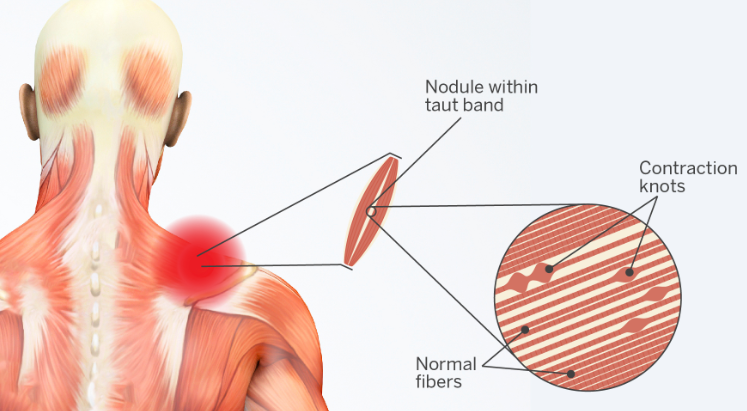
Self-myofascial Release (SMR) is used to inhibit overactive muscle fibers by focusing on the neural and fascial system. Myofascial adhesions are knots in muscle tissue, which can result in altered neuromuscular control. When muscle fibers are altered from myofascial adhesions, the fibrous tissue that surrounds and separates muscle tissue (the fascial system) can get out of alignment.

Areas to Consider:

  • Upper body:
    • Thoracic Spine
    • Latissimus Dorsi
    • Pectorals
    • Upper Trapezius
    • Levator Scapulae
  • Hip Complex:
    • Hip Flexor
    • TFL / IT-Band
    • Piriformis
  • Legs:
    • Biceps Femoris
    • Gastrocnemius / Soleus
    • Quadriceps
    • Adductors
    • Feet

SMR Tools

  • Myofascial Foam Rollers
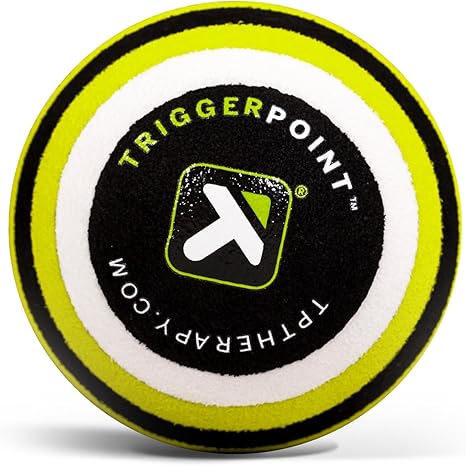
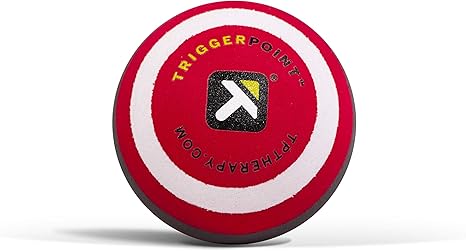
  • Myofascial Balls: Spherical tools that come in different sizes and densities (often called massage balls).
  • Handheld Myofascial Rollers
  • Vibration
  • Cupping: A form of myofascial therapy commonly practiced in Asian and Middle East cultures that has recently become more popular in the United States.
  • Myofascial Flossing: Method intended to increase flexibility and range of motion (also called “voodoo flossing” or “flossing”).
  • Instrument-Assisted Soft Tissue Mobilization: Specifically designed instruments to provide a mobilizing effect to scar tissue and myofascial adhesions.

Recommended Tools

Here are a couple of tools that I recommend. I have many years of personal use with them. I give recommendations to them as a personal trainer, and I have given them as gifts on several occasions. Great quality foam rolling tools at an affordable price.

5 inch Ball

2.6 inch Ball

2.6 inch Ball Extra Firm

Trigger Massage Point

Roller Bar


Key Points for Application

Consider how to use the right SMR tool for the location of your body. Myofascial rollers vary in shape, size, and density, which the pressure, density, diameter, and texture will give different intensities of sensation. The amount of pressure will obviously dictate the range of gentle sensations to intense discomfort. Yet one should also consider the diameter and density of the foam roller as a hard & small roller will have more “bite” when compared to a soft & big roller. Using a handheld roller can give you more control for sensitive areas such as the quads and calve muscles. Using the body weight on the wall will be a much more gentle touch than your full body weight on the floor. Foam rolling can be a unique ritual in which your body can tell you where tension manifests physically. Take it slow and be mindful of what the discomfort is telling you, and always compare how you feel before and after your rolling sessions.

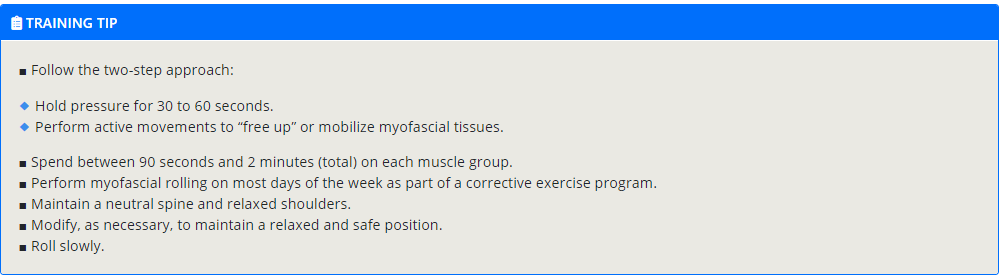
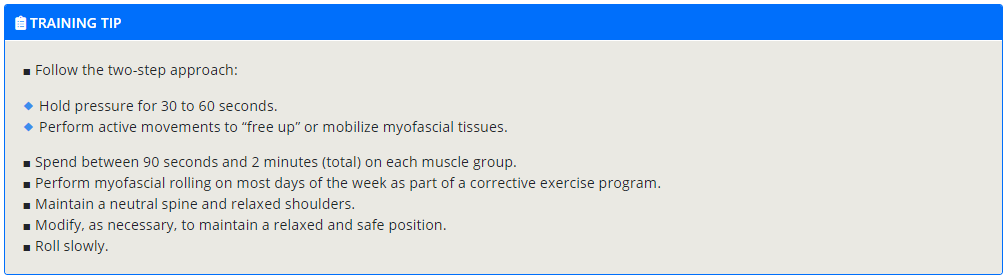
Step 1: Reduce Overall Tension

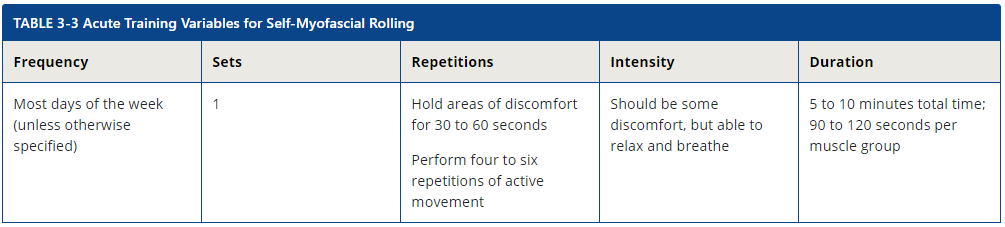
Roll the target muscle slowly to identify an tender spot, then hold for a minimum of 30 seconds of continual pressure. Breath and slowly relax into the “discomfort”. You can breath and relax into the target area for 60 seconds or until you feel the reduction of discomfort is adequate.

Tender spots, usually indicates the presence of muscle tension (hypertonicity). SMR is best done before stretching because the breaking up of fascial adhesions can potentially improve the tissue’s ability to lengthen through correct stretching techniques. Foam rolling is an excellent way to warm up.

Step 2: Introduce Tissue Movement

For example, foam rolling your calves can be progressed by ankle movements, which will move the calf tissue under the compression and will allow for a deeper affect.

Precautions & Contraindications

While SMR is a powerful and effective tool for recovery, joint mobility, muscle correction, and overall good health; there are some things to be careful of. It is not recommended to roll your lumbar as the thoracic spine is reinforced by your ribcage and your lower back is not, so the risk of injury is high. It is also not recommended to wake up and immediately start foam rolling as your body chemistry needs some time to “wake up” after sleep. Some contraindications is as follows on table 3.2. Should you have health concerns you should always consult with your doctor to get approval for foam rolling especially if there is hypertension concerns.

Filed Under: Blog, Fitness & Health

Why MMA & Traditional Martials Arts Don’t Work

December 16, 2020 by Dan Ma Leave a Comment

Unsurprisingly there are a lot of criticisms towards traditional martial arts coming from those involved in MMA and other competitive mindsets. Today I will address why both MMA and Traditional Martials Arts don’t work.

First and most important of all, you have to understand the mindset of what you are training to do. Most traditional martial arts are centered in self-defense practices and building good stewardship in the community. Combative Sports is an industry. Street Fighting is something entirely different from the other two, but at the same time has similarities from both, such as egocentrism from MMA and the practice of lethal strikes from traditional arts.

Self Defense

Kung Fu Pose: Are we fighting now?

Most traditional martial arts tent to focus on self-defense. Some traditional arts like Taekwondo and Karate have evolved into their own respective competitive sports. Perhaps all combative sports have their roots in original systems geared towards self-defense. There are many reasons self-defense oriented martial arts tend to under perform in the ring or cage, but here are a few that I strongly believe in:

  • Its not the style its the training, most traditional martial artists are not athletes.
  • The focus is generally to neutralize the aggressor quickly rather than survive another round in a ring.
  • Practitioners typically focus on lethal strikes which is not legal in sports.
  • Some arts are based on relaxation, which is harder to do in an arena screaming for blood.
  • You should at least be familiar with ground fighting.
  • Move, don’t just stand there in a Kung Fu Pose.
  • Protect your head from “head-hunters”.
  • Practitioners haven’t adapted or created the correct mindset to their craft to prepare for the ring.

Combative Sports

Sports by their very nature is competitive, which can appeal to the ego, and boy, does the ego loves trouble! People in MMA and other combative sports should be aware of the following before using their craft outside of the ring:

  • Your ego is your greatest enemy (The Art of Fighting without Fighting).
  • Be at least familiar with “lethal strikes” and how to engage with them.
  • Your hands are not in a glove and your wrists are not wrapped.
  • Your element of surprise shouldn’t be in flashy move, but rather acting first in physical violence.
  • Think twice before going to the ground.
  • Be mindful of what’s going on around you like other aggressors and what their hands are doing.
  • Get away from the scene quickly and safely.

Street Fighting

Street Fighting is similar to MMA as it involves the ego. A street fight can be a declaration to fight at a specific place and time between two egos, but they usually happen in the moment in a bar or outside in the public sphere. There is no referee and pretty much anything could happen with multiple attackers, knives, and guns. The whole goal of self-defense is to stay out of a street fight.

Summary

I believe the framing around “MMA and Traditional Martial Arts don’t work” should actually be: “How to make MMA and Traditional Martial Arts Work”. My answer to that question is how would you train for any of those scenarios? Try a free online consultation with me, I’d love to hear from you and learn about your fitness goals. Comment below and share what you think.

Filed Under: Blog, Martial Arts

« Previous Page
Next Page »
  • Somatic Performance
  • Wellness Coaching
  • About
  • Blog
  • Contact

ReGroove Fitness | Somatic Personal Training in Portland, OR


Loading Comments...