• Skip to primary navigation
  • Skip to main content
  • Skip to primary sidebar

ReGroove Fitness

by Wellness Coach Dan Ma

  • Somatic Performance
    • Martial Movement
    • Skill-Based Exercise
  • Wellness Program
  • About
  • Location
  • Testimonials

Blog

5 Star Blocking Drill & Dan Chi Sao

March 2, 2019 by danma Leave a Comment

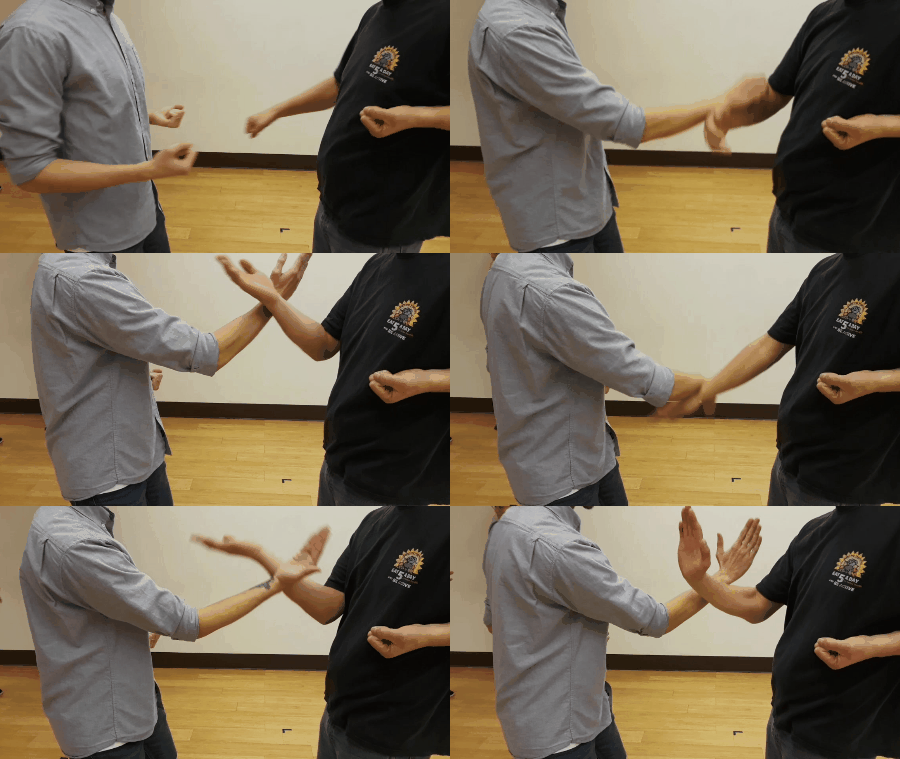
This week we learned a lot of things. Two things that I got on camera is the is a blocking drill and an energy sensitivity practice. The drill is supposed to help condition the arms. We saw an external and internal method.
The external method can be seen in this slice from Randy William’s Wing Chun video; it reminds of Hung Gar’s 3 Star Blocking drill. The class prefers the internal method, which is seen right below.
video
play-sharp-fill
Link

I must admit, I am a little skeptical in the internal method’s ability to condition the arms as compared to the external method, but as I think about it more, I suppose it is the most practical method for Vero as it would have these benefits:

  • a slow and easy ramp up to harder pressure
  • more sensitivity

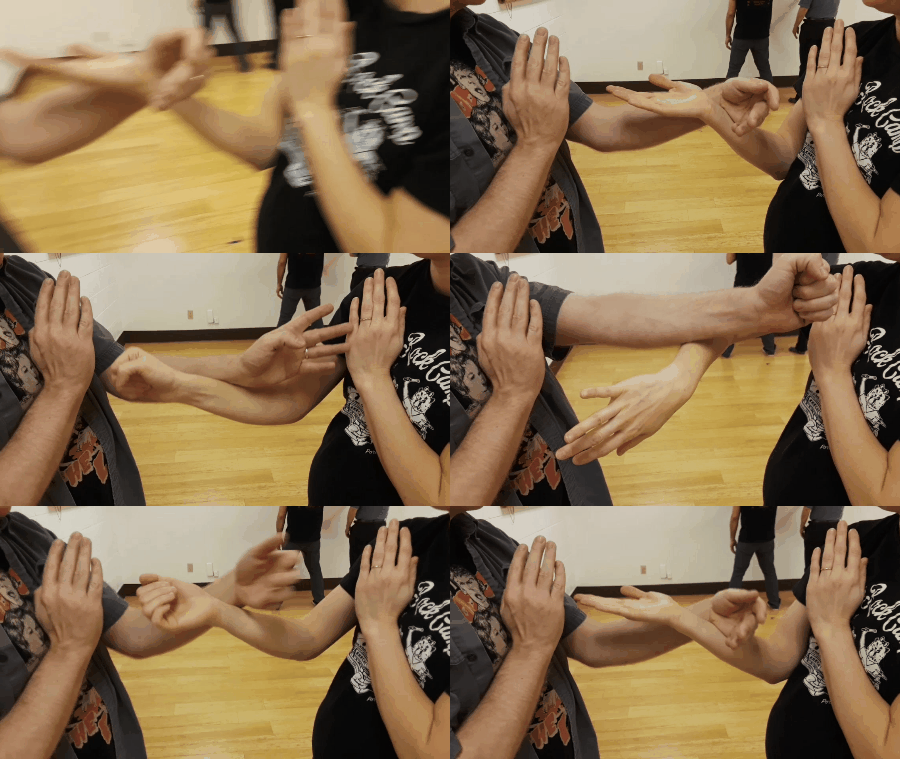
The energy sensitivity practice that we went over is called Dan Chi Sao, which means single energy hands. It is the entry-level exercise into Chi Sao.
  • Dan Lok
  • An old school video
video
play-sharp-fill
Link

Filed Under: Wing Chun

Siu Lim Tao

February 19, 2019 by danma Leave a Comment

My spouse and I are enjoying our Wing Chun class. We made a commitment to practicing this form, which seems like the most logical thing to do since this is a pretty famous form and all sources seem to think it is a big deal. The Siu Lim Tao is very different from Hung Ga forms which is a good workout, but as I am getting older the hard style exercises are getting too hard on my body. I can now see a limited future with that type of training. The form is practiced very slow and relaxed. As I get to know this form, I am learning that it is more than just a form. It is also a moving meditation just like Tai Chi Quan. It has to be practiced slowly and with intention in order to feel the qi gong like energy in your body.

Jul 19, 2019
Apr 18, 2020

Sifu Ray from LHA was kind enough to give me feedback on my form.

6/1/2020 Update:

I have heard in class Sifu talking about the elements in Wing Chun, so today I found an interesting article about it. I am going to put some focus on “wood” during this form. The source points to wood as the element, I’ll ask Sifu to confirm. The wood element represents potential power, growth and forward intention. Think as myself as a tree growing roots, opening forward with purpose.

Filed Under: Wing Chun Tagged With: wing chun forms

Lightning Hand Academy of Wing Chun Kung Fu

February 5, 2019 by danma Leave a Comment

Last week my spouse and I went to our first Wing Chun class. Veronica’s membership to Portland City Boxing class schedule hasn’t been serving her very well since she started up a part time job, so she put her membership on hold. We are both fans of the Wing Chun the movie–especially Veronica, who enjoys the feminist overtones. I found the Lightning Hand Academy of Wing Chun Kung Fu online and bought 2 punch cards.

We found the class to be a pleasant and safe learning environment. Sifu Ray was very open and passionate about Wing Chun. His lineage teaches a soft style. It was interesting learning some these concepts, and I am interested in learning more of this internal soft power.

Sifu Ray emailed me yesterday to share a couple of related videos for us, which I very much appreciate his openness and availability:

Internal Wing Chun
Yang Style Tai Chi by Adam Mizner

Filed Under: Blog, Wing Chun

Mike Tyson & Resistance Bands

January 11, 2019 by danma Leave a Comment

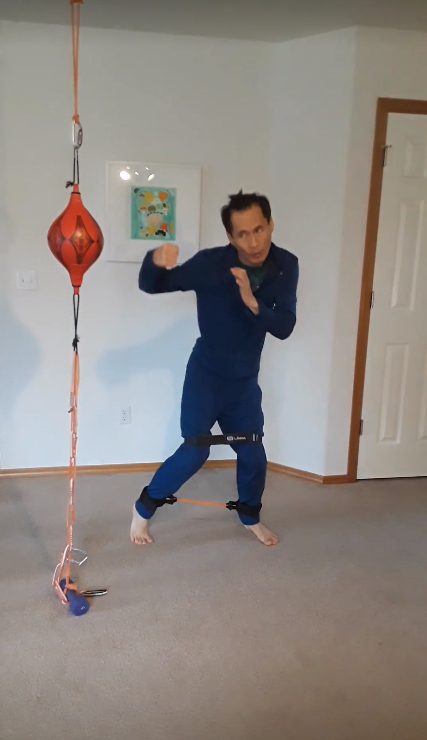
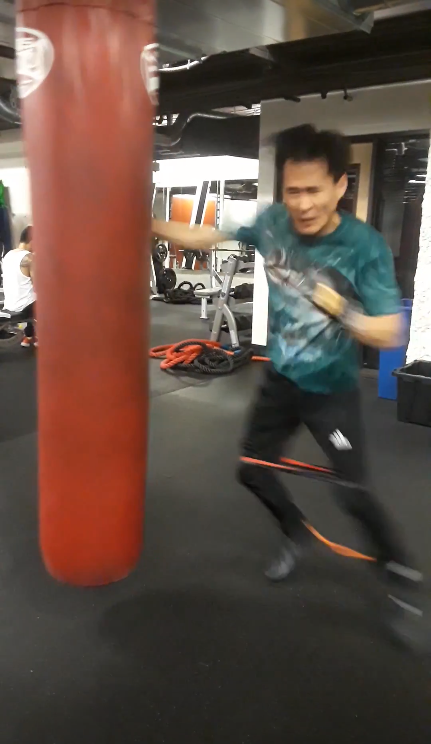
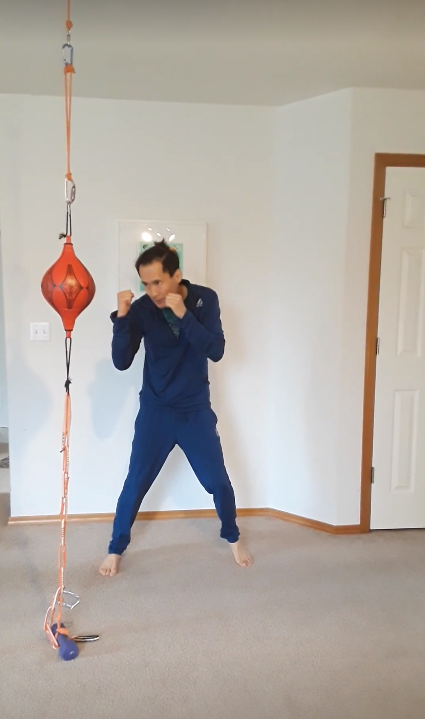
Lately I have been needing to strengthen my footwork for crosses & hooks, which is why I have been looking at videos of Mike Tyson again. I was inspired to practice this combination.

I am using resistance bands on my ankles (TITLE BOXING FAST FEET) and knees (Limm Resistance Bands Exercise Loops).

video
play-sharp-fill
Link

My timing needs to be quicker between my strikes, which will probably happen as my footwork gets stronger. Other things I need to improve on:

  • Twisting leg’s knee needs to turn into the other
  • Hooks are too telegraphic
  • Non-hook hand needs to be in guard position
  • Don’t close my eyes when I throw my hooks
  • My elbow drops; need to keep it up for a horizontal motion.

This combination works by loading your weight onto your lead leg, so in the case above, I use a cross to load my right leg to explode into a hook.

video
play-sharp-fill
Link

I have slowed down my training in the second video, which is the level at which I feel I should be practicing this. Below in the last video I take off the resistance bands to see if I am able to move faster.

video
play-sharp-fill
Link

[instagram-feed]

Filed Under: Martial Arts

Systema Training – Level 1 Part 2.2: Joint Mobility

January 6, 2019 by danma Leave a Comment

Understanding the spine

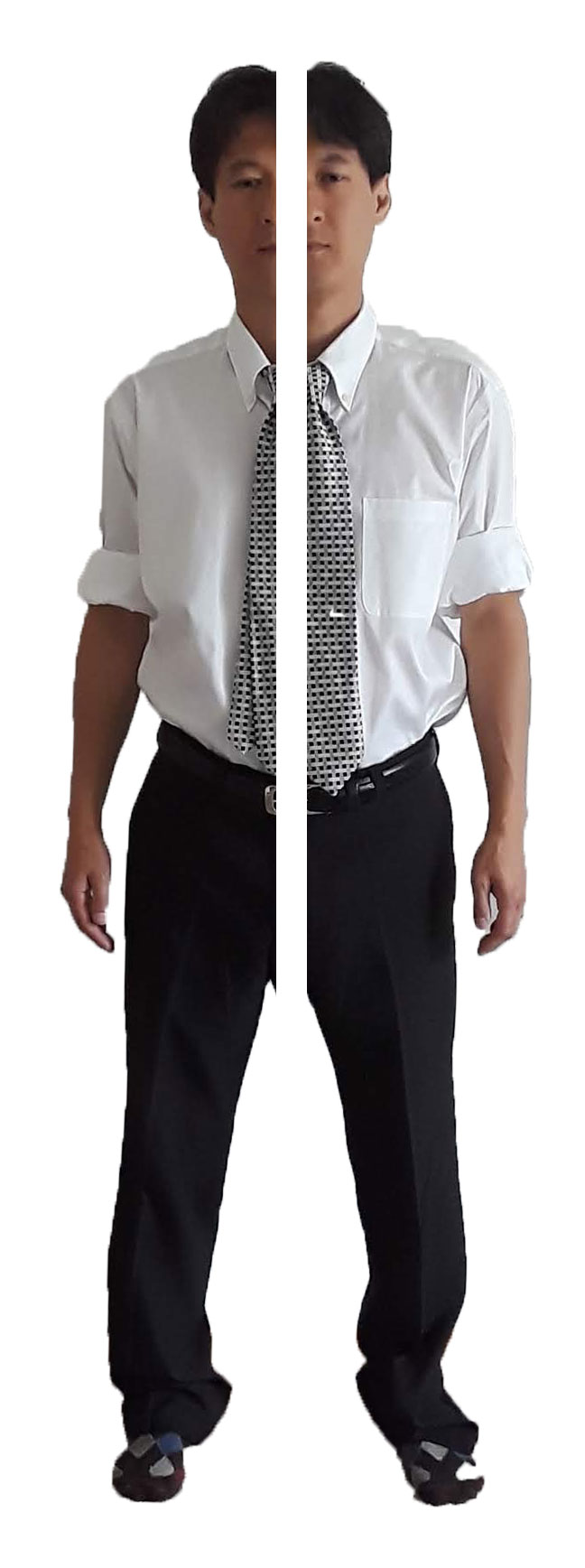
The spine is everything. Spine check: Pelvis and chin is tucked in, ribs pulled in, shoulders should be pulled back. 

Planes of Movement

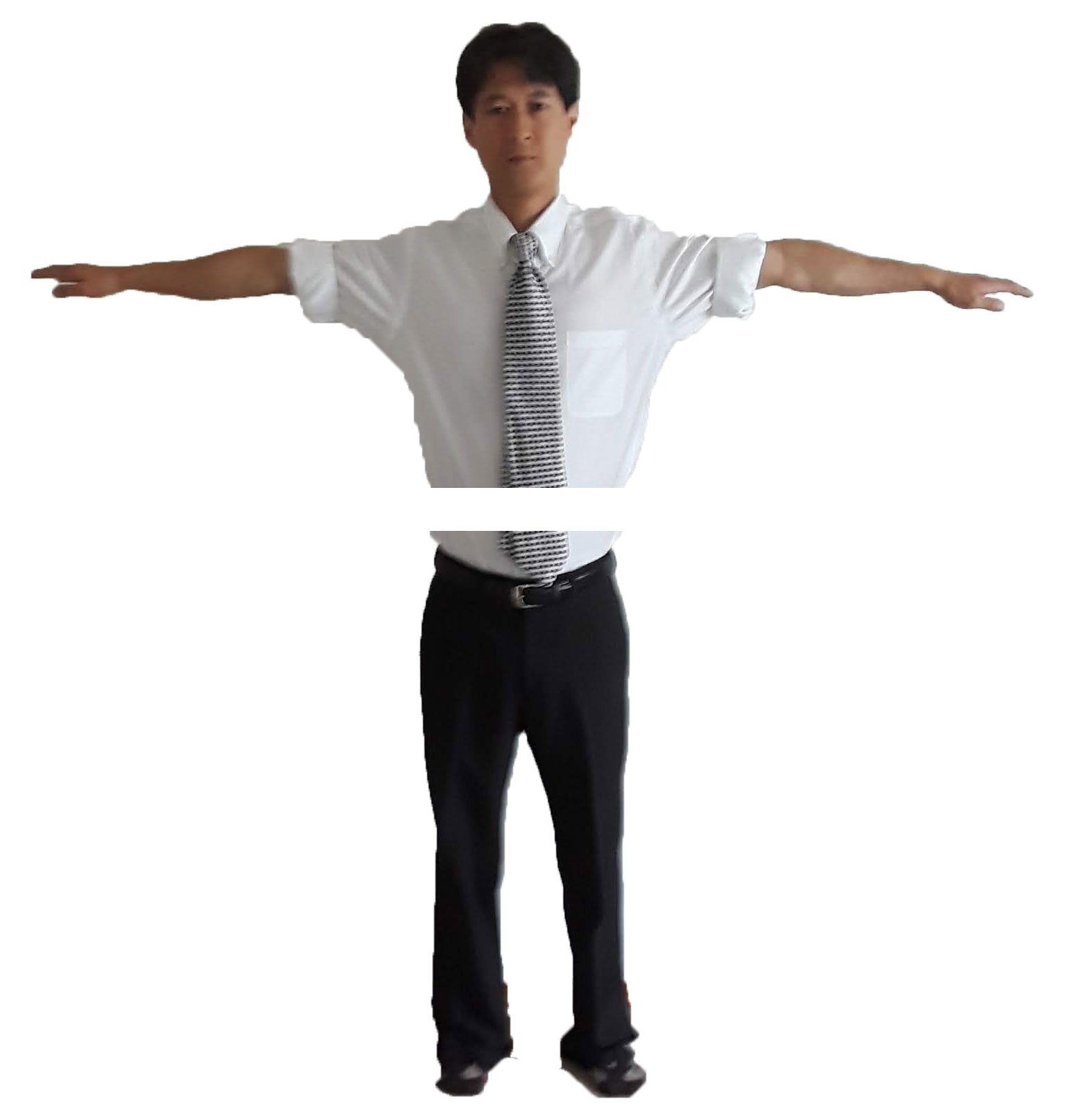
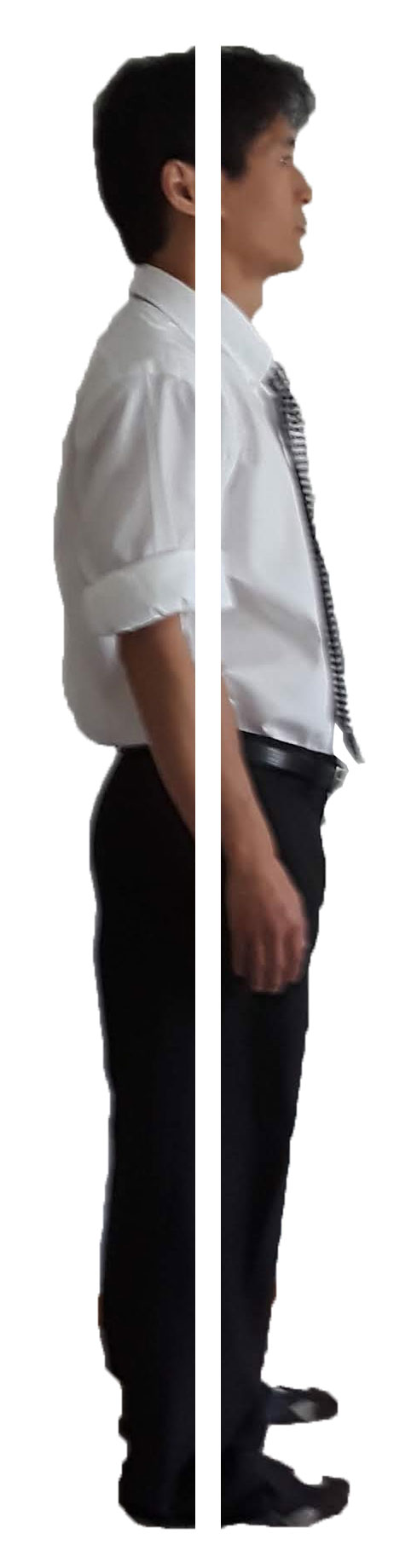
  1. Horizontal / Transverse Plane: Cuts at the waist.
  2. Vertical / Medial Plane: Cuts the body in half into left and right sides.
  3. Frontal / Coronal Plane: Cuts front and back.
Vertical
Horizontal
Frontal

Neck Mobility

These practices helps balance out short versus long muscles.

Neck Circles

Make the motions as small as possible:

  • Frontal: With your nose, imagine drawing a circle. First dropping your head, moving your head to the left (like an Egyptian), then up, then to the right.
  • Vertical: With your ear, imagine drawing a circle. Move your head in much of the same fashion like the frontal exercise.
  • Horizontal: With the top of your crown, imagine drawing a circle.
Frontal
Vertical
Horizontal

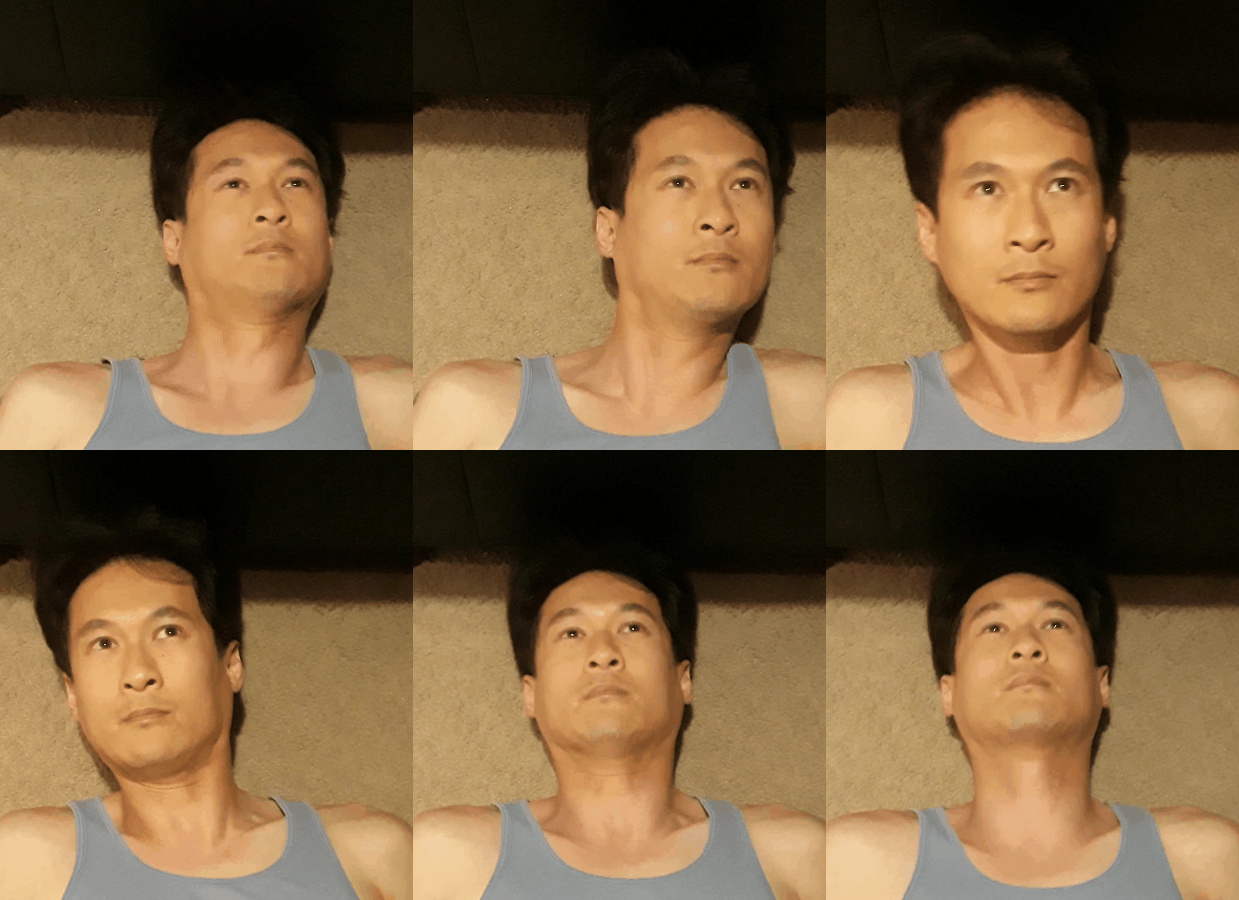
Circular Neck Flies

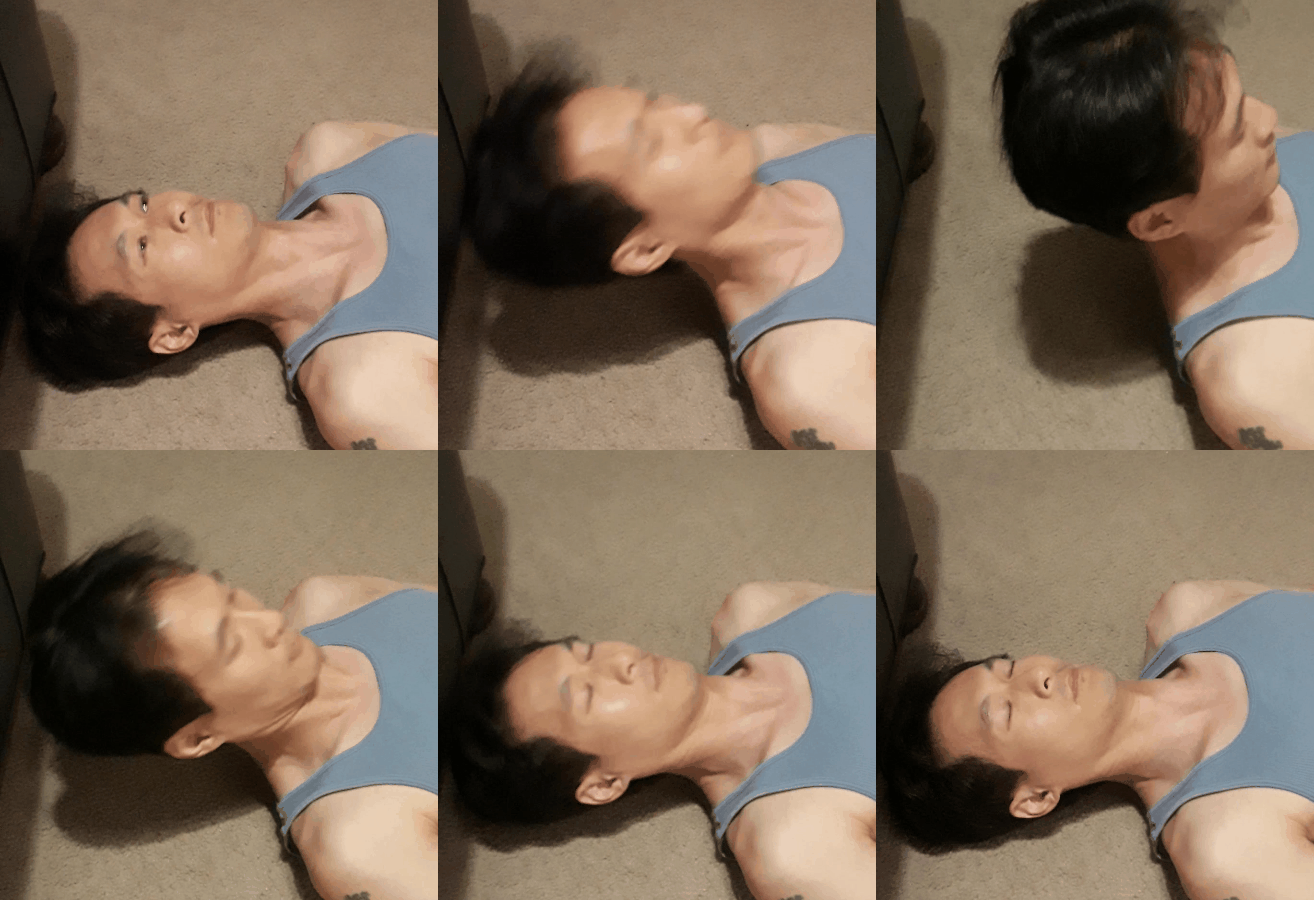
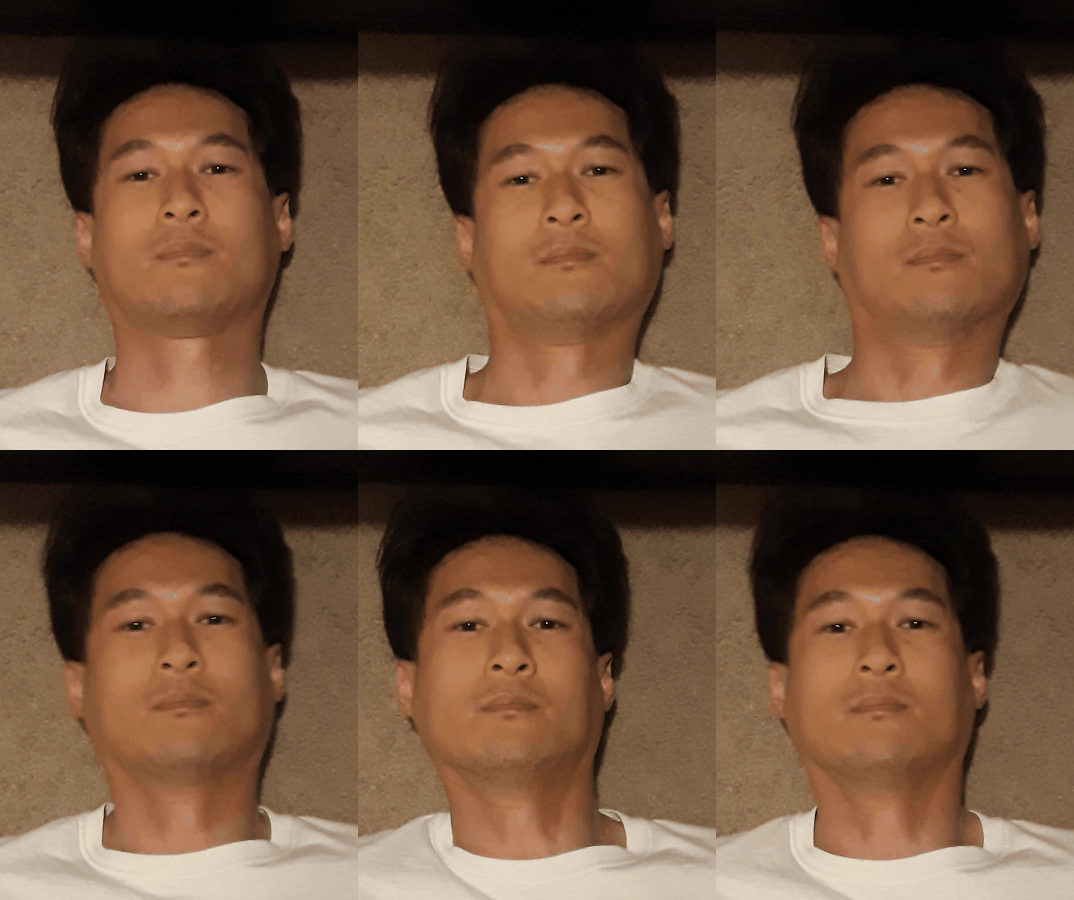
Lay down on the back with a couch or object close to the top of your head (for a reference). Laying down isolates the body and neck and provides a great neck workout. 

  • Horizontal: Similar movement as the horizontal neck circle except you have limited motion due to the ground.
  • Vertical: Since you can move your head into the ground, the motion is basically lifting your head off the ground and slightly tucking in your chin. This can be a circular motion, and you can do it in both directions.
  • Frontal:  Same movement as the frontal neck circle.
Horizontal
Vertical
Frontal

Tissue Release

Three sized massage balls:

  1. Small
  2. Medium
  3. Large

Laying down on your back, you can use the small ball to massage your cerebellum. Massaging your reptilian brain can help release your “fight and flight response back into your “rest and digest” system. You can do small neck flies and circles. You can also tilt your head (from ear to shoulder motion). You can sway, which is a motion similar to the tilt, but you jut your chin in the opposite direction. These tissue release exercises is a great relaxer for the mind and body. 

Laying down on your back, with a small ball between your cerebellum and the ground, make sure your spine is in a straight and neutral position (tucked chin & pelvis). Your arms are at your sides. Gently raise your hands and arms up to the sky, and continue (if you comfortably can) on the same path downward to the ground so that you end up laying on the ground with straight legs, feet together, and straight arms with your hands pointing above your head. You can finish the whole motion by bringing your hands and arms back at your side.

You can also move your hands and arms as if you are making an angel in the snow. When you are done you can slowly remove the ball and put your spine back into a straight neutral position.

Resistant Segmentation

You can you use yours hands to resist certain head movements such as:

  • Hand on the forehead to resist a forward motion
  • Hand on the back of the head to resist a backward motion
  • Hand on the side of the head to resist sideways motion
  • Hand on the forehead to resist tucking in your chin (not out)
  • Hand on the back of the head to resist an upward motion

You can time your breathing by inhaling on the rest and exhaling on the resisting. 

Wall Bridging

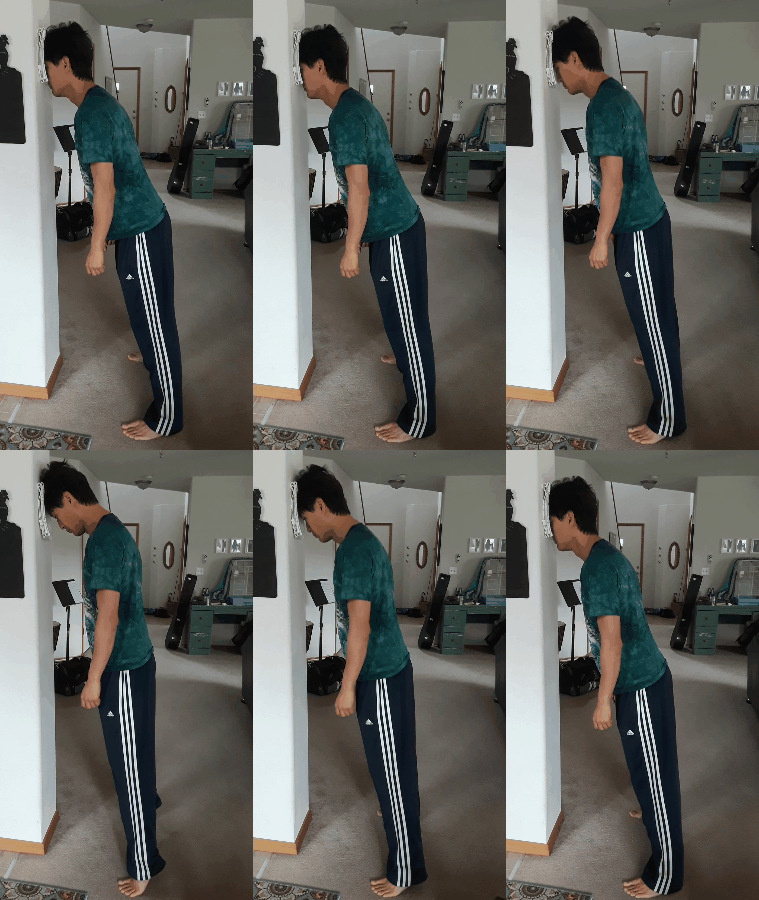
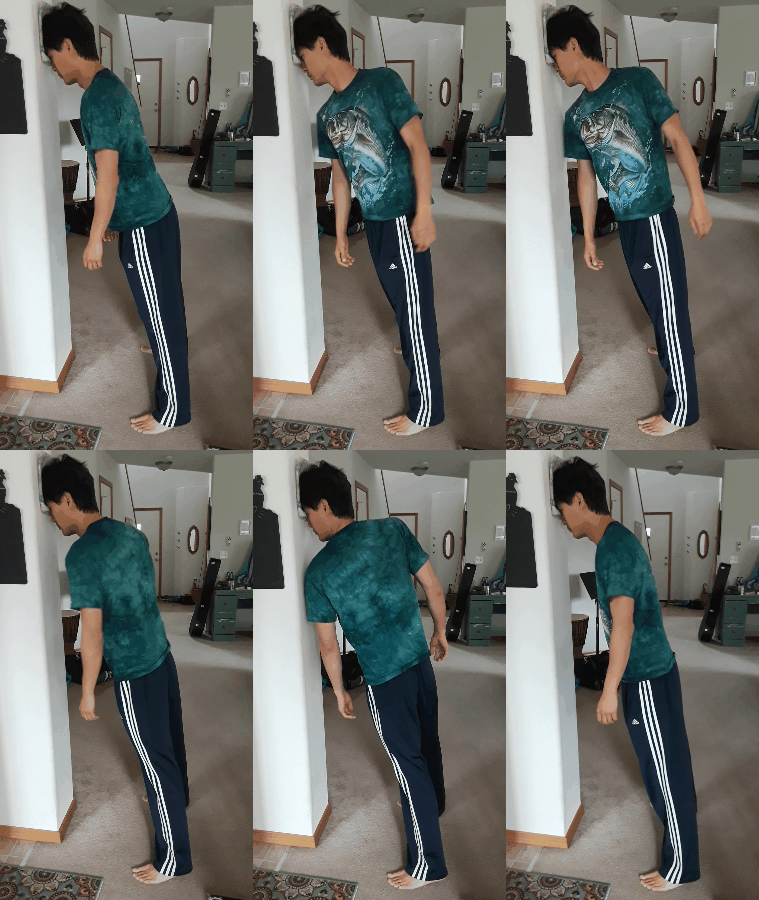
Lean into a wall with your forehead pressing into something soft like a towel. Standing with a straight neutral spine. 

  • Vertical: Rock your chin away from your body, then rock your chin into the tucked in position. You can rise up on your toes to get a deeper rotation as you tuck in your chin, and lower down as your chin goes away from your body (smushing your nose on the wall). 
  • Horizontal: Use your hand and arm to reach back, which will point your other shoulder to the support you are leaning on. Your body is rotating, but your head position says the same. 
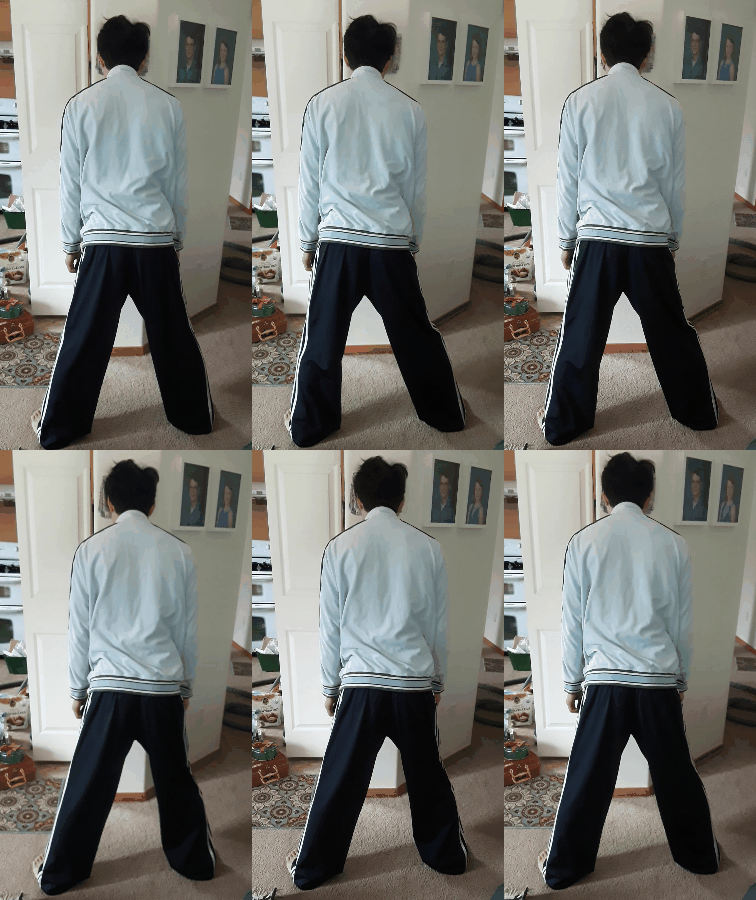
  • Frontal: Gently take a step to the side and then other other side. You can also widen out your base and just sway your hips from side to side.
Vertical

Horizontal
Frontal

Neck Bridging

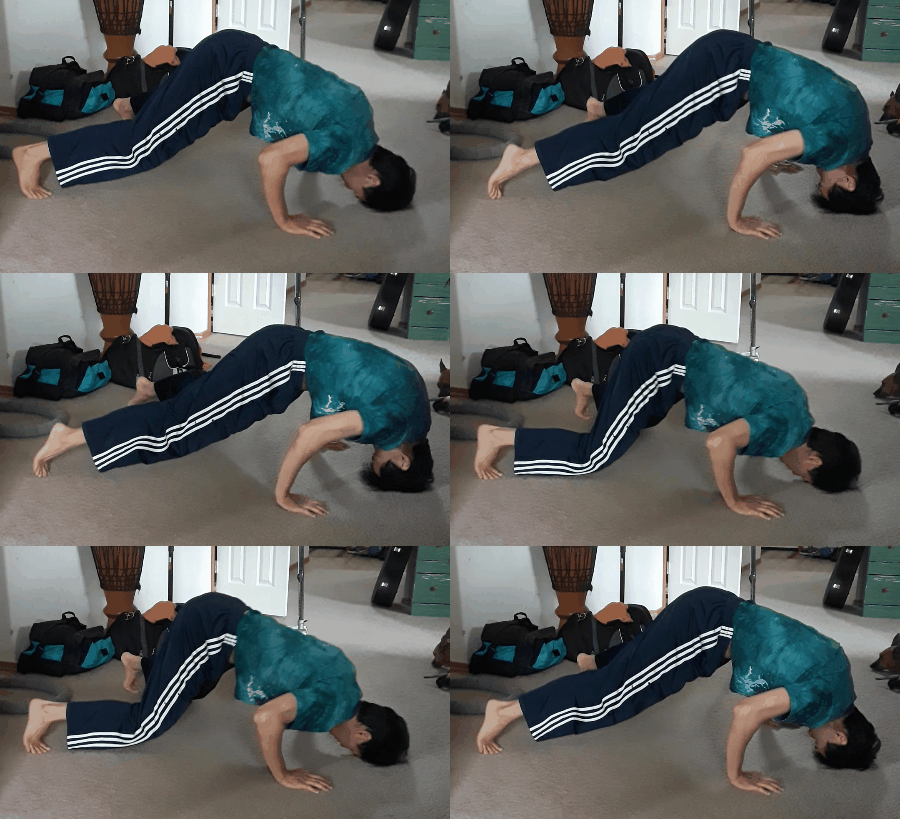
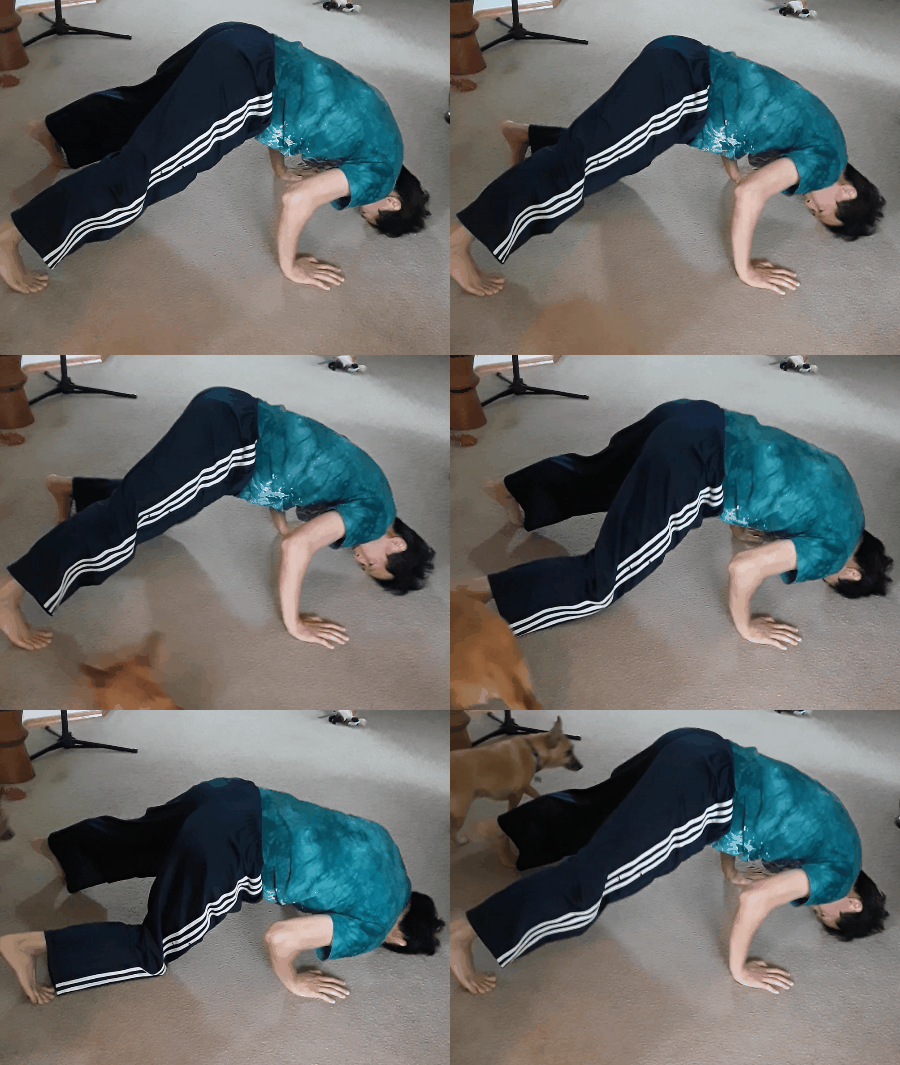
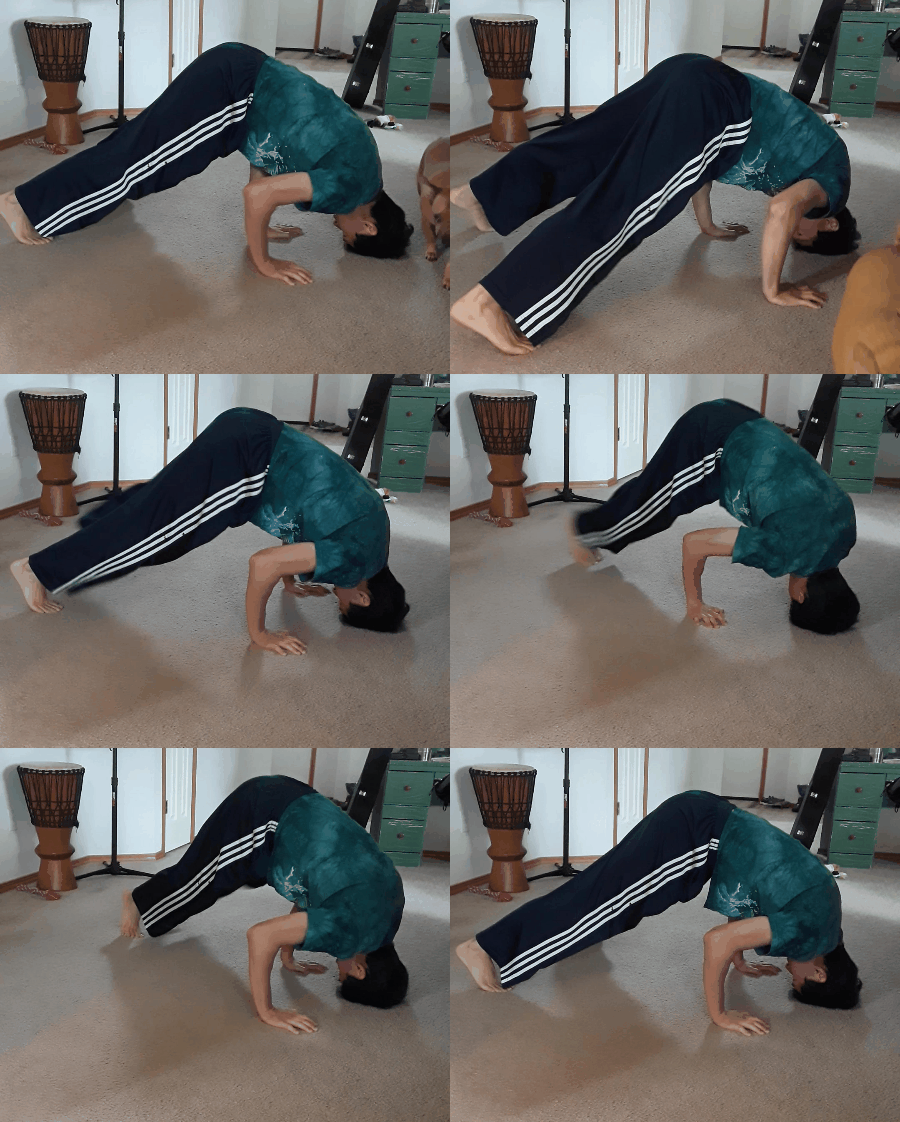
This is a very advance exercise that requires that you build up to. Make a tripod out of yourself on the ground, by spreading your feet apart and your head on the ground. Use your hands and arms as supports. The three points of ground contacts are the balls of your feet and your head (with hand and elbow support). Be sure your your pelvis is tucked in to ensure a straight spine. 

  • Vertical: Dropping your knees towards the ground, which helps tuck in your chin. As you almost touch the ground, raise your knees back up so that your legs are straighter, and your chin retracts from being tucked in. As you get more comfortable you can place your hands out from your head to give less support and more mobility (stopping at your nose smushing on the ground). You can move your hands down to under your shoulders.
  • Frontal: I think this movement can fit into the concept of the frontal plane. You can evolve from the vertical exercises by rocking side by side by bending one knee at a time. Your hands are underneath your shoulders. 
  • Horizontal: I think this movement can fit into the concept of the horizontal plane. This movement involves moving your feet side by side in a slow shuffling motion, thus spinning on your head and using your hands as supports. When you feel confident, you can cross your feet and turn upside down with your belly facing the sky. You can start out by just learning the rotation by moving slowly. In the upside down position you can move your bottom closer to the ground, then push out again into your original position. You can sway side to side. You also spin your head. 
Vertical
Frontal
Horizontal

Filed Under: Systema

Pre Chi Sau Drills

December 13, 2018 by danma Leave a Comment

This week in Octavio’s living room. We continued to practice the pak sau drills (1 & 2) from that last two weeks. 

A new variation:

  1. Using the right hand as the reference point.
  2. Left handed Pak sau to your partner’s reference hand. Be sure to push into your opponent to break their structure and off-balance.
  3. Straight punch.
  4. Close the gap with footwork.
  5. Your partner grabs your punch
  6. Take your grabbed hand and touch and trap the right elbow of your partner to clear the obstructions.
  7. Use your free hand to punch
  8. Your partner uses the grabbing hand to block the punch
  9. Use your free hand to punch

Octavio also went into detail with the straight lead punch. This tool is used to help close the gap, which differs from a jab that is a tool best used in-range. The punch starts slowly towards the target, then the following foot presses the heel down into the ground, then twitches a rotation in the hips and follows up to the fist. The body moves forward at the moment of impact. When slowed down it kind of looks like break dancing.

  1. Lead punch slowly starts
  2. The following foot’s heel presses into the ground
  3. The hips rotates and lets the energy travel to the fists
  4. The body moves forward at the moment of impact.

We continued to learn new techniques of pre chi sau, which Octavio said that the whole two partner reference practice is derived from chi sau. We learned two new trappings: 

Outside Lap sao:

  1. From right-handed reference, lap sau with the right
    1. Bring hand towards your right hip and slightly turn the body to the right
  2. Punch with the left keeping a stickiness to the arm being lap sau’ed
    1. Slightly step into the partner to his/her outside gate.

Inside Lap sao:

  1. From right-handed reference, lap sau with the right
  2. Use your left hand to lap sau by going under your reference hand and pull the partner towards your left hip
  3. Follow up with a right back fist

Filed Under: Jeet Kune Do

« Previous Page
Next Page »

Primary Sidebar

  • Somatic Performance
  • Wellness Coaching
  • About
  • Blog
  • Contact

ReGroove Fitness | Somatic Personal Training in Portland, OR

Loading Comments...