Wing Chun is a martial art known for simplicity, efficiency, and directness. Developed for practical, real-world self-defense, it emphasizes close-range combat techniques that focus on economy of movement, positioning, and adaptability. Unlike many martial arts that rely on physical strength, Wing Chun builds power through alignment and relaxation, allowing practitioners to remain fluid and responsive in the face of unexpected challenges.
I teach Wing Chun through the lineage of Leung Sheung, Ip Man’s first Hong Kong student, who passed down a unique approach that centers on structure, sensitivity, and timing—qualities that make the art both powerful and accessible. This lineage has been further refined by Kenneth Chung, a committed student of Leung Sheung, known for his deep understanding of Wing Chun’s internal mechanics and his dedication to preserving the art’s purity and effectiveness. Kenneth Chung’s teaching emphasizes Gung, or the development of essential structural attributes, rather than simply practicing techniques. His approach focuses on cultivating a sensitivity to subtle changes in pressure and alignment, enabling practitioners to achieve both precision and adaptability.
By learning through this authentic lineage, students experience Wing Chun in its most effective form, connected to a tradition that values precision, mindfulness, and respect for the art’s origins. Through this practice, students not only learn to defend themselves but also cultivate self-discipline, mental focus, and emotional resilience. Wing Chun becomes a journey of personal growth that strengthens both the body and mind, empowering individuals to face challenges with clarity and confidence.
History and Origins of Wing Chun
The story of Wing Chun is many, but one popular folklore is rooted in the legend of Yim Wing Chun. Yim, a young woman, learned a unique and efficient fighting style from a Shaolin nun named Ng Mui. This style, based on simple, direct movements and leverage rather than brute force, became known as Wing Chun, named in honor of its first student. Designed to be effective for practitioners of all sizes and strengths, Wing Chun emphasizes strategic angles, quick reflexes, and efficient movements.
The art later gained prominence through the efforts of Grandmaster Ip Man, who introduced Wing Chun to a wider audience in Hong Kong during the 20th century. Ip Man’s influence led to Wing Chun becoming one of the most recognized Chinese martial arts in the world, laying the foundation for the art’s spread and development across generations.
Our school traces its lineage through Ip Man’s first Hong Kong student, Leung Sheung, and further through Kenneth Chung, a dedicated disciple known for his precise, structured approach to Wing Chun. This lineage preserves the traditional principles of Wing Chun while focusing on real-world effectiveness. By honoring this heritage, we aim to provide a truly authentic Wing Chun experience that embodies the art’s core philosophy of simplicity and practicality.
Core Concepts and Techniques
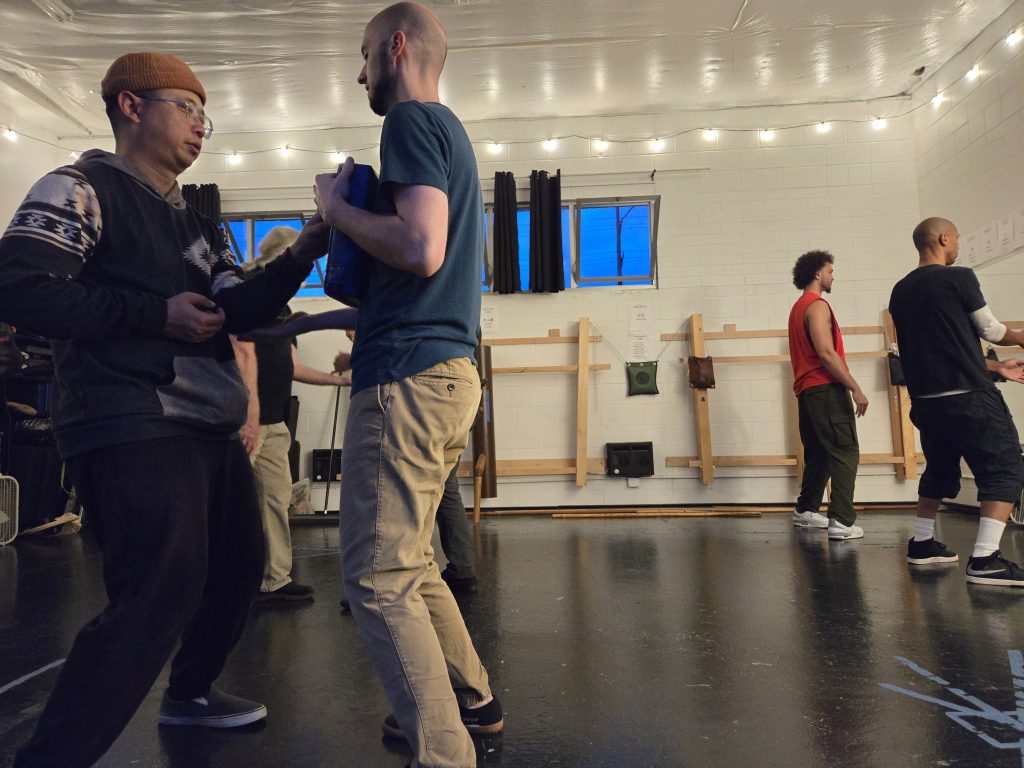
Wing Chun is distinguished by its foundational principles, which emphasize alignment, balance, and relaxation. These principles allow practitioners to maintain control, adapt swiftly, and conserve energy, making Wing Chun an effective martial art for practitioners of all body types and skill levels. Here are the core concepts and techniques that form the backbone of Wing Chun training:
- Foundational Principles: Central to Wing Chun is the concept of the centerline theory, where practitioners protect and control their body’s centerline—an imaginary vertical line running down the middle of the body. This theory is key to Wing Chun’s defensive and offensive strategies, as controlling the centerline minimizes vulnerabilities and allows for effective counterattacks. Other essential principles include minimal force, where students learn to use the least amount of energy to achieve maximum impact, and relaxation over tension, which enhances fluidity and responsiveness.
- Key Techniques: Wing Chun’s core techniques involve efficient stances, footwork, and hand movements. Techniques like the Yi Ji Kim Yeung Ma stance teach practitioners to maintain a stable, balanced posture. Wing Chun also trains Chi Sao, or “sticky hands,” which develops sensitivity to the opponent’s movements and helps practitioners react without hesitation. Hand techniques like Paak Sau (slapping hand) and Laap Sau (grabbing hand) are designed to control or deflect incoming attacks while opening angles for counter-attacks.
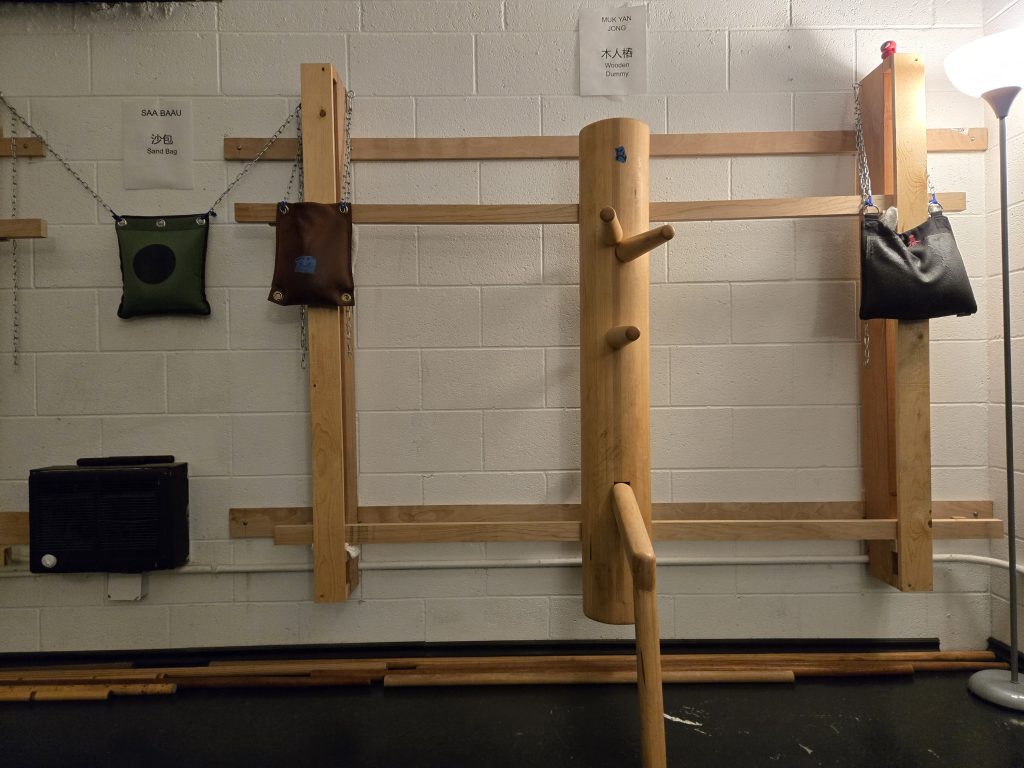
- Forms and Training Tools: Wing Chun’s three foundational forms—Siu Nim Tao, Chum Kiu, and Biu Jee—progressively build a practitioner’s skill set. Siu Nim Tao, or “Little Idea,” lays the groundwork for balance, alignment, and basic hand techniques. Chum Kiu, or “Seeking the Bridge,” introduces movement, bridging techniques, and coordination, while Biu Jee, or “Thrusting Fingers,” develops advanced skills and emergency techniques. Another iconic training tool is the wooden dummy (Muk Yan Jong), a stationary structure that helps students practice striking angles, positioning, and structure with precision.
These core concepts and techniques ensure that practitioners develop both the physical and mental aspects of Wing Chun, preparing them for both practical self-defense and personal mastery.
Benefits of Practicing Wing Chun
Wing Chun offers a comprehensive range of benefits that extend beyond self-defense, fostering growth in mental, emotional, and physical stability. This approach to martial arts training is ideal for those seeking practical skills and personal development. Here’s what students can expect to gain:
- Self-Defense: Wing Chun’s techniques are highly practical for real-world self-defense. Its close-range combat focus and efficient movements allow practitioners to respond effectively to threats, regardless of size or strength differences. By emphasizing direct attacks, control of the centerline, and redirection of force, Wing Chun equips students with tools to defend themselves confidently in challenging situations.
- Physical Stability and Posture: While not primarily a fitness-focused art, Wing Chun training develops essential stability, balance, and alignment. Practitioners build a strong, grounded posture and enhance their body’s natural alignment, which can improve overall movement quality and reduce the risk of injury. The emphasis on relaxed power helps students maintain flexibility in movement while supporting joint health and balance.
- Awareness and Mind-Body Connection:
- Physical Awareness: Through consistent practice, students develop a refined sense of body awareness. They learn to stay balanced, grounded, and responsive to external forces, even in high-stress situations. This improved physical awareness is beneficial not only for martial arts but also for daily activities, supporting better posture, stability, and overall resilience.
- Emotional Awareness: Wing Chun also cultivates emotional resilience by teaching practitioners to remain calm and focused under pressure. Exercises that require concentration, relaxation, and swift decision-making foster emotional control and confidence. This heightened emotional awareness becomes invaluable for managing stress and maintaining mental clarity in everyday life.
The benefits of Wing Chun extend beyond self-defense, empowering practitioners with skills that enhance all areas of life. Whether the goal is to improve stability, learn self-defense, or deepen personal growth, Wing Chun provides a well-rounded approach to achieving these goals.
Teaching Structure and Training Methodology
My Wing Chun training approach is built on a structured yet adaptable framework, allowing me to align each student’s learning journey with their unique goals and abilities. This methodical structure establishes a strong foundation while offering flexibility to adjust techniques as students progress. Rooted in the Leung Sheung Wing Chun (LSWC) lineage, this approach emphasizes three core areas: attribute development and sensitivity, application practice, and adaptive realism.
- Phased Training Structure: Training is organized into distinct phases, each focused on specific skills and attributes. Beginners start with fundamental elements of structure and alignment, and as they progress, I tailor techniques to suit their evolving goals. This “front-loaded” approach provides students with essential tools early on, fostering a clear understanding of core principles that they continue to refine over time.
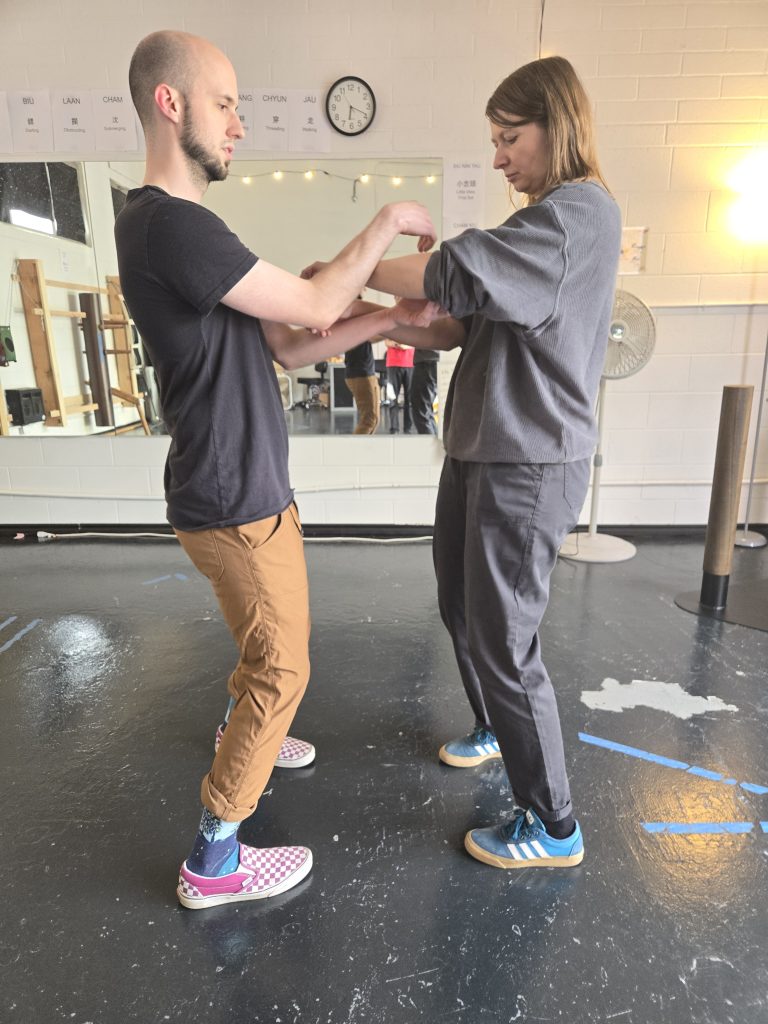
- Attribute-Focused Practice & Sensitivity: The cornerstone of Wing Chun in this lineage lies in building foundational attributes through the three core forms—Siu Nim Tao, Chum Kiu, and Biu Jee—as well as the sensitivity drills of Daan Chi Sau (Single Sticky Hands) and Chi Sau (Sticky Hands). These forms emphasize balance, structure, and relaxation, creating a solid base for movement and alignment. Siu Nim Tao develops internal structure and rootedness, Chum Kiu introduces coordination and controlled movement, and Biu Jee enhances adaptability and emergency techniques. Through Chi Sau, students cultivate a heightened sense of pressure and positioning, learning to respond fluidly to changes in their partner’s energy and movement.
- Application Training: This phase includes a variety of Paak (slapping hand) two-person drills designed to translate core principles into practical applications. These drills build timing, positioning, and precision, allowing students to work directly with a partner to refine technique and responsiveness. In structured drills like Paak Da and Wai Sau, students practice specific Wing Chun techniques under varying levels of resistance, learning to control the centerline and adapt in real time. Each drill can be adjusted to match the student’s skill level and goals, ensuring a safe and progressive learning experience.
- Progressive Realism: In the later stages of training, students transition from structured drills to more dynamic “free hands” practice, where they apply their skills in spontaneous, unscripted exchanges. This stage encourages calmness, control, and adaptability, preparing students to handle real-world scenarios effectively. With each phase, I adjust the intensity and complexity to align with the student’s progress and goals.
This adaptable teaching framework provides a comprehensive Wing Chun journey, where students build both practical skills and mental resilience at a pace suited to their personal aspirations and abilities.
My Unique Wing Chun Lineage
The Wing Chun I teach is rooted in a lineage that values authenticity, precision, and tradition. As a student, you will be learning from a direct line of Wing Chun masters who have upheld the art’s core principles while refining its practice for contemporary relevance. This lineage is built upon the teachings of two foundational figures: Leung Sheung and Kenneth Chung.
- Leung Sheung’s Legacy: Leung Sheung, the first Hong Kong student of Ip Man, was instrumental in shaping the structure and practical application of Wing Chun. Known for his emphasis on balance, relaxation, and precision, Leung Sheung developed a distinctive approach that prioritizes efficiency and subtlety over brute force. His focus on “position, sensitivity, and timing” created a version of Wing Chun that remains powerful, effective, and accessible to practitioners of all sizes and abilities.
- Kenneth Chung’s Influence: Kenneth Chung, a devoted student of Leung Sheung, has further refined the art, emphasizing purity, sensitivity, and structural integrity. His methodical approach to training preserves the essence of Leung Sheung’s teachings, adding depth by focusing on sensitivity to the opponent’s movements and maintaining structural alignment. Kenneth Chung’s contribution to Wing Chun has elevated it to a practice of both technical skill and mindfulness, combining precision with adaptability.
As an instructor with the Lightning Hand Academy, I offer students access to a wealth of knowledge passed down through generations. You’ll experience Wing Chun in its purest form, developing skills rooted in a tradition that values discipline, awareness, and effective self-defense. This unique lineage not only enriches your technical abilities but also connects you to a community dedicated to preserving Wing Chun’s legacy.
About Coach Dan
As a dedicated Wing Chun trainer, I am passionate about guiding students on a journey that goes beyond technique, helping them develop physical stability, mental resilience, and emotional awareness. My approach is deeply rooted in the Leung Sheung lineage, with an emphasis on precision, sensitivity, and structural alignment. Through years of dedicated study and practice, I’ve crafted a training style that is adaptable to each student’s goals, fostering growth in a way that builds confidence and mastery at every stage. My goal as a trainer is to empower students to progress at their own pace, creating a solid foundation for personal growth both inside and outside of Wing Chun practice.
Benefits of Training with Coach Dan
- Holistic Approach: At Regroove Fitness, my approach combines traditional Wing Chun techniques with a comprehensive perspective on wellness. My training method integrates aspects of physical conditioning, mental clarity, and emotional resilience, ensuring that students experience growth in every area of their lives.
- Movement and Fitness Expertise: With a background spanning various fitness disciplines, I bring a unique perspective to Wing Chun training. My program includes skill-based exercises and mobility work, blending martial arts with functional fitness to build a strong, adaptable body. This multi-disciplinary approach, which I call Martial Movement, helps students improve agility, endurance, and posture, creating a solid physical foundation that enhances their Wing Chun practice.
- Customized Training: I believe that each student’s journey is unique. My sessions are carefully tailored to each person’s skill level, goals, and pace, whether you’re new to martial arts or looking to deepen your practice. This personalized approach ensures that you gain confidence and progress naturally, mastering core Wing Chun principles one step at a time.
- Mental and Emotional Growth: Wing Chun is not just a physical practice; it’s a path to mental clarity and emotional resilience. I emphasize mindfulness, focus, and emotional awareness, helping students cultivate calmness, confidence, and self-discipline. This focus on mental growth enhances not only martial arts skills but also students’ abilities to manage stress and maintain balance in their everyday lives.
Ready to Start Your Journey?
I invite you to take the first step in experiencing the benefits of Wing Chun and my unique training approach. Whether your goal is to learn self-defense, improve your fitness, or find a deeper connection with yourself, Wing Chun offers something valuable. Contact me today to schedule your first session and begin your Wing Chun journey!