
Guide Menu
- The Body as the Foundation of Emotional Awareness and Intelligence
- Science of Emotional Release through the Body
- The Key Skills of Emotional Intelligence
- Why Emotional Intelligence Matters
- How to Improve Emotional Intelligence
- Emotional Intelligence in Different Areas of Life
- The Future of Emotional Intelligence
- Conclusion: Embarking on Your Emotional Intelligence Journey
Emotional intelligence (EI) is more than just a skill—it’s a journey of self-discovery, growth, and connection. In this guide, we’ll explore how emotional intelligence can transform personal and professional life, from building stronger relationships to achieving a greater sense of mental clarity and resilience.
This guide takes a unique approach, starting with the foundation of physical awareness as the gateway to EI. Research shows that by tuning into the body, we open doors to deeper emotional insight and mental strength. Through skill-based exercises, mindful movement, and scientific understanding, this guide will show you how body awareness enhances your emotional intelligence, allowing you to navigate life’s challenges with clarity, empathy, and purpose.
Whether you’re seeking to strengthen relationships, boost your mental well-being, or achieve personal growth, you’ll find practical, research-backed strategies here. Ready to begin your journey toward emotional intelligence from the inside out?
The Body as the Foundation of Emotional Awareness and Intelligence

When it comes to emotional intelligence, the journey often begins with the body. Developing physical awareness isn’t just about fitness; it’s about connecting deeply with ourselves, recognizing how our emotions influence our bodies, and understanding how movement can unlock emotional growth. Through skill-based exercises, mindful movement practices like qigong, and body-centered techniques like stretching and myofascial foam rolling, we can explore how physical awareness lays the groundwork for emotional insight and resilience.
In the practice of internal martial arts, there’s a saying: “Use the inside to move the outside, and use the outside to influence the inside.” This concept reflects the holistic philosophy that inner intentions guide outward actions, while external practices can shape our inner state. In martial arts, this principle teaches that movements should stem from focused internal energy (qi), but also that physical forms—stances, breath, and posture—can cultivate inner calm, resilience, and balance.
This philosophy is as relevant to emotional intelligence as it is to martial arts. In modern life, the concept of “using the outside to heal the inside” resonates with many as a practical entry point into emotional well-being.
Using the Outside to Heal the Inside
In our modern world, using external actions to influence our internal state is often a practical and accessible entry point to emotional awareness. When we take care of our appearance, prioritize fitness, and adopt practices that make us feel good outwardly, we tend to experience a positive shift internally. Dressing well, engaging in physical activity, or adopting a healthy lifestyle can boost our mood, increase confidence, and reduce stress, creating a foundation for emotional well-being.
Conversely, when we cultivate happiness and self-acceptance internally, it naturally reflects in our posture, expression, and interactions. This reciprocal relationship between “outside” and “inside” shows that we can start with either approach to enhance our overall emotional intelligence and self-awareness. For many, beginning with external practices is a tangible way to initiate deeper personal growth, ultimately fostering a balanced mind-body connection.
Skill-Based Exercise as a Mind-Body Tool
Certain exercises, especially those that demand focus, creativity, and coordination, serve as powerful tools for building emotional awareness. Unlike traditional exercises focused solely on physical outcomes, skill-based movements like jump rope, kettlebells, club swings, steel mace work, and circuit training invite us to be fully present. These activities engage us physically and mentally through rhythm, balance, and flow. By tuning into our bodies during these exercises, we’re encouraged to recognize physical sensations, such as tension or relaxation, which often mirror our emotional states.

These movements demand more focused attention, reinforcing the body-to-mind connection and enhancing neuro-motor skills. By anchoring awareness in the body, they help individuals stay present and embodied rather than being mentally pulled outward, like onto a device. This embodied awareness cultivates patience, adaptability, and resilience—qualities essential to emotional intelligence.
Skill-based movements help us cultivate resilience, focus, and emotional control. Practices like balance work encourage a strong connection between mind and body, grounding us in the present moment and enhancing our ability to adapt to challenges. By requiring both awareness and precision, these exercises demonstrate how martial arts cultivates emotional awareness and control while emphasizing why stability training is important for building not only physical strength but also emotional resilience. Stability training strengthens our foundation, making it easier to approach life’s uncertainties with composure and confidence.
Building Emotional Awareness through Physical Movement
Physical movement practices like qigong, stretching, and mindful skill-based exercises do more than just enhance fitness—they help us connect with and understand the emotions stored within our bodies. Each mindful movement becomes an opportunity to observe areas of tension, comfort, or release. This gateway to emotional awareness often reflects how we’re holding onto stress, past experiences, or unresolved emotions, serving as valuable insights into our inner states.
Through practices that encourage both physical and emotional engagement, we cultivate awareness of sensations linked to our emotional landscape. This body-based awareness forms the foundation of emotional intelligence, as recognizing and understanding these sensations allows us to process emotions in a balanced, mindful way. Rather than suppressing what we feel, we become more skilled at addressing and integrating emotions, fostering a healthier, more connected relationship with both our bodies and minds.
The Science of Emotional Release through the Body
Interoception and Emotional Awareness
At the core of physical and emotional awareness lies interoception—the body’s ability to sense internal states. When we engage in body-centered practices like qigong, stretching, or foam rolling, we’re actively enhancing interoception. As we grow more attuned to our internal sensations, we’re able to recognize subtle cues like muscle tightness, changes in breathing, or physical relaxation, which are often signals of underlying emotions. This heightened interoception makes it easier to identify and release emotions “stored” in the body, helping us achieve emotional clarity and resilience.
Neuroscience of Emotional Memory
The brain’s limbic system, particularly the amygdala, plays a central role in processing and storing emotions. When emotions are experienced intensely or repeatedly, they can become embedded as physical responses within our body. Engaging in physical practices allows us to tap into these “stored” emotions, releasing tension and calming the nervous system. The science behind this process supports the idea that physical movement can serve as a direct channel for emotional release, improving our overall well-being and emotional health.
Integrating Qigong, Stretching, Foam Rolling, and Mindful Skill-Based Exercise for Emotional Release
Mindful Skill-Based Exercise and Martial Arts
Mindful skill-based exercises—such as jump rope, kettlebells, club swings, steel mace work, and martial arts—combine physical movement with mental focus, cultivating both body awareness and emotional resilience. These practices go beyond physical fitness; they require attention to rhythm, timing, flow, and strategy, which grounds practitioners in the present moment and fosters a deeper connection between body and mind.
Martial arts, in particular, introduce an element of discipline and self-regulation, teaching practitioners to remain calm and centered even in challenging situations. The sensitivity drills and strategic movements in martial arts demand a heightened awareness of internal sensations, allowing practitioners to notice how emotions like tension, frustration, or excitement manifest in the body.
By engaging in these exercises and martial practices, we learn to observe the subtle sensations of balance, coordination, and breath, encouraging the release of tension and enhancing comfort within our own bodies. Each movement becomes an opportunity to explore how our mental state influences physical performance, allowing us to become more attuned to internal signals and emotional states. These practices build not only physical strength and agility but also mental clarity, patience, and adaptability—qualities that contribute to emotional intelligence.
Practicing these skill-based exercises with mindful intent offers a powerful way to stay embodied, rather than being distracted or pulled away by external factors. This consistent connection to our internal experience strengthens our foundation for emotional awareness, resilience, and growth.
Qigong
Qigong goes beyond body awareness to cultivate an experience of balanced energy, emotional resilience, and mental clarity. A primarily standing practice, qigong engages breath, mindful movement, and energy flow, which connect body, mind, and spirit in harmony. Each movement is an invitation to feel and work with your internal energy, or qi, promoting a state of calm and focus. As a holistic practice, qigong helps release physical tension while fostering emotional and spiritual balance, making it a powerful tool for those seeking a deeper, well-rounded approach to emotional intelligence.
Stretching and Positional Release

Specific stretching positions encourage both physical and emotional release, allowing us to access areas where tension may be held. Unlike traditional yoga, stretching in this context emphasizes mindful engagement with the body, without labels or rigid expectations. By paying attention to sensations as we stretch, we become more aware of the emotions linked to areas like the hips, shoulders, or spine.
Foam Rolling
Foam rolling is an accessible, effective method for targeting areas of physical and emotional tightness. As we apply direct pressure to muscles—especially in high-tension zones like the upper back, shoulders, and hips—we encourage both physical relaxation and emotional release. Foam rolling provides valuable feedback on what areas of the body may need work; when discomfort arises, it often signals areas where tension or stress is stored. This discomfort isn’t something to avoid; rather, it’s feedback that informs us of where to focus our attention.
By breathing slowly and staying present during foam rolling, we allow any emotions that arise to surface naturally, supporting emotional processing and bodily release. This mindful engagement with the body helps foster a healthier, more informed connection with both our physical and emotional selves, making foam rolling an ideal practice for those seeking a tangible way to work through stress or stored emotions.
Practical Exercises for Physical and Emotional Awareness
Ready to dive into these practices? Here are some exercises to help you start exploring the connection between physical awareness and emotional intelligence:
- Body Scanning with Chakra Awareness: Begin with a body scan, focusing on energy flow through each part of the body. Notice any sensations, tensions, or emotions associated with specific areas, allowing for a deeper sense of presence and emotional connection.
- Skill-Based Movement and Emotional Release: Try exercises like jump rope to find rhythm, kettlebells for coordination, and maces for flow. These movements build emotional resilience by encouraging you to stay focused, calm, and adaptable.
- Qigong, Stretching, and Foam Rolling Techniques:
- Qigong: Start with gentle, flowing postures to cultivate energy flow and emotional release.
- Stretching: Choose positions that help release areas of tension, paying attention to how your body and emotions respond.
- Foam Rolling: Use a foam roller to target areas like the upper back, shoulders, and hips, breathing deeply and staying mindful of any emotional responses.
By engaging in these practices, we bridge the gap between body and mind, using physical awareness as a powerful foundation for emotional intelligence. As you explore each technique, remember that every movement and sensation brings you closer to understanding and enhancing your emotional well-being.
Science of Emotional Release through the Body

The body and mind are intricately connected, with the body often holding onto emotional experiences long after they’ve passed. Understanding the science behind this connection helps us see why body-centered practices can be so effective for emotional release and self-awareness.
Interoception and Emotional Awareness
At the heart of physical and emotional awareness lies interoception—the body’s ability to perceive and interpret its own internal sensations. Interoception is what allows us to feel hunger, warmth, or a racing heart, and it also plays a critical role in how we process emotions. Body-centered practices like qigong, stretching, and foam rolling enhance interoception by encouraging us to tune into subtle physical sensations.
By engaging with these internal cues, we become more aware of areas where tension or discomfort may reflect underlying emotions. This heightened interoceptive awareness serves as a foundation for emotional intelligence, as it enables us to recognize and work with emotions “stored” in the body. Rather than simply reacting to our emotions, we learn to interpret our physical sensations, making emotional release more accessible and empowering.
Neuroscience of Emotional Memory
The connection between emotions and the body is deeply rooted in the brain’s limbic system, particularly in the amygdala, which is responsible for processing emotional responses. When we experience intense emotions, the amygdala and other parts of the limbic system can encode these feelings in the form of physical responses. Over time, these emotional memories may become “stored” in the body, manifesting as muscle tension, tightness, or specific physical sensations.
Engaging in physical practices like qigong, stretching, foam rolling, and mindful skill-based exercises can help us access and release these stored emotions. As we work through areas of physical tension, the nervous system responds by loosening these holds and calming the body. This process allows for a release of emotional memory, creating space for relaxation and mental clarity. By understanding the neuroscience of emotional memory, we gain insight into why physical movement is a powerful tool for emotional growth and resilience.
Scientific Insights: How Body-Centered Practices Ease Anxiety and Build Emotional Awareness
Research shows that body-centered practices, especially skill-based exercise and mindful movement, are effective tools for treating anxiety with exercise and improving emotional resilience. By engaging in these practices, we enhance interoceptive awareness—our ability to perceive and understand our body’s internal signals—which helps build a stronger connection to our emotions and a calmer, more balanced mindset. Studies also indicate that these practices activate the body’s relaxation response, counteracting stress and supporting improved emotional regulation. Emotional intelligence training itself has been associated with reduced anxiety and better self-regulation, leading to greater overall emotional health.
The Key Skills of Emotional Intelligence
Developing emotional intelligence involves strengthening five key skills: self-awareness, self-regulation, motivation, empathy, and social skills. These skills are essential not only for personal growth but also for creating positive, meaningful relationships in both personal and professional contexts. Let’s dive into each skill and explore practical techniques for developing them.
Self-Awareness
Self-awareness is the foundation of emotional intelligence. Building on the physical and emotional awareness practices discussed earlier, self-awareness involves understanding our deeper emotional patterns, identifying our triggers, and recognizing what drives us. Through self-awareness, we gain a better understanding of our motivations, reactions, and tendencies, which helps us approach our emotions more mindfully.
It’s common to dismiss or rationalize emotions as a way of avoiding discomfort, but this can prevent true understanding. Rather than viewing emotions as something to push aside or explain away, emotional awareness, often misunderstood and undervalued, calls for acknowledging them without judgment. When we engage honestly with our feelings, we open ourselves to insights and growth that lead to deeper self-awareness.
Practices to Develop Self-Awareness:
- Journaling: Reflect daily on your emotional experiences. Note moments that triggered strong feelings and explore the reasons behind them. Journaling can help reveal patterns and insights into your inner world.
- Self-Assessment: Regularly take time to assess your emotional reactions to situations. Ask yourself questions like, “What made me feel this way?” or “Is my reaction based on my current situation or a past experience?”
Self-Regulation
Self-regulation is the ability to manage emotional responses in a constructive way. Rather than reacting impulsively to emotions, self-regulation enables us to respond with patience and thoughtfulness. Techniques like breathwork and cognitive reframing help us control our responses and remain calm under pressure.
While it’s natural to want to dismiss or rationalize uncomfortable emotions, true self-regulation involves engaging with those feelings rather than suppressing them. When we suppress emotions, they can resurface with greater intensity. Instead, focus on accepting emotions as they come, knowing that they are valid and worth exploring. This approach helps build resilience and a healthier relationship with one’s inner emotional landscape.
Techniques for Self-Regulation:
- Breathwork: Practice deep breathing exercises, such as box breathing (inhaling for four counts, holding for four, exhaling for four, and holding again for four). This can help regulate the nervous system, bringing calmness to the mind and body.
- Cognitive Reframing: Shift negative or unhelpful thoughts to more balanced perspectives. For instance, instead of thinking, “I’m terrible at this,” try reframing it to, “This is challenging, but I’m learning and improving.”
Motivation
Motivation in emotional intelligence involves using emotions to fuel our goals and aspirations. Emotional intelligence allows us to harness positive emotions to drive personal and professional ambitions, maintaining resilience even in the face of setbacks.
Tips to Cultivate Motivation:
- Goal-Setting: Set clear, achievable goals and break them down into actionable steps. Visualizing the emotional rewards of achieving your goals can enhance motivation.
- Resilience Building: When faced with challenges, remind yourself of past successes and the emotions they brought. This helps reinforce a mindset of resilience and persistence.
Empathy
Empathy is the ability to understand and resonate with others’ emotions. By attuning to our own emotions, we become better at perceiving and interpreting the emotions of those around us. Developing empathy involves actively listening and engaging with others’ perspectives.
Exercises to Build Empathy:
- Active Listening: When someone is speaking, focus entirely on their words, tone, and body language. Avoid interrupting, and let them finish before responding thoughtfully.
- Perspective-Taking: Practice putting yourself in another person’s situation. Consider questions like, “How would I feel if I were in their position?” This helps cultivate a deeper sense of empathy.
Social Skills
Social skills encompass the ability to communicate effectively, build meaningful connections, and navigate social interactions with ease. Strong social skills enhance relationships by fostering understanding and connection.
Building Social Skills:
- Reading Non-Verbal Cues: Pay attention to body language, facial expressions, and tone of voice to understand others’ emotional states. This awareness can improve your ability to respond empathetically and appropriately.
- Practice Open-Ended Communication: Use open-ended questions (e.g., “How did that experience make you feel?”) to encourage others to share more deeply, fostering stronger connections and trust.
Why Emotional Intelligence Matters
Emotional intelligence (EI) has far-reaching benefits that touch almost every area of life. By cultivating EI, we not only improve our mental and emotional well-being but also enhance our personal relationships, professional capabilities, physical health, and overall quality of life. Let’s explore the powerful ways EI makes a difference.
Personal Benefits: Improved Relationships, Mental Well-being, and Resilience
One of the most immediate benefits of emotional intelligence is its impact on our personal lives. Developing self-awareness, empathy, and self-regulation helps us understand and respond to our emotions in a balanced way. This urgent need for emotional awareness and intelligence strengthens our relationships by allowing us to communicate effectively, resolve conflicts, and show compassion.
Additionally, EI fosters mental resilience. When we can manage our emotions and cope with stress constructively, we’re better equipped to navigate life’s challenges with calm and clarity. This resilience enhances mental well-being, making us less likely to feel overwhelmed by difficult situations and better able to maintain a positive outlook. Furthermore, emotional intelligence plays an essential role in personal and social stability, helping us build stronger connections and a deeper sense of harmony in our interactions.
Professional Benefits: Enhanced Leadership, Teamwork, and Career Satisfaction
Emotional intelligence is essential for success in the workplace. High EI improves communication, teamwork, and leadership abilities by helping us understand and manage our emotions as well as the emotions of others. Leaders with strong emotional intelligence foster supportive, motivating environments where team members feel valued and understood.
EI also plays a key role in career satisfaction. When we’re able to handle workplace challenges with patience and empathy, we experience less stress and more fulfillment. Whether you’re leading a team or collaborating on projects, emotional intelligence allows you to build stronger relationships, increase productivity, and approach your work with a greater sense of purpose.
Physical and Mental Health: Reduced Stress, Improved Immune Function, and Overall Well-being
The connection between emotional intelligence and physical health is well-documented. Managing emotions effectively helps reduce chronic stress, which is known to impact immune function, cardiovascular health, and overall well-being. By practicing EI skills, we can lower stress levels, which has a positive ripple effect on the body, promoting a stronger immune system and reducing the risk of stress-related health issues.
Furthermore, the emotional stability provided by high EI contributes to better mental health, reducing symptoms of anxiety and depression. Engaging in EI practices like mindful breathing, self-reflection, and empathy can calm the nervous system, improve mood, and enhance overall quality of life.
Academic and Social Impact: Success in Learning Environments and Positive Social Connections
In academic and social contexts, emotional intelligence enhances one’s ability to learn, adapt, and build connections. Students with high EI tend to perform better in learning environments, as they’re more likely to manage stress effectively, stay motivated, and engage with others positively. This applies to both young students and adults in academic or training settings.
Socially, EI fosters meaningful connections and supportive networks. The skills of empathy, active listening, and emotional regulation enable us to create positive social interactions, reducing misunderstandings and deepening bonds. By building strong social connections, emotional intelligence helps us create a community of support and shared understanding.
How to Improve Emotional Intelligence

Building emotional intelligence is a journey that involves consistent practice and the right tools. Here are some effective daily practices and resources to support this journey, starting with physical awareness.
Daily Practices
Integrating small, intentional practices into your daily routine can help develop emotional intelligence over time.
- Body Scanning and Breathwork for Physical and Emotional Awareness: Begin or end each day with a body scan. This practice involves mentally scanning your body for areas of tension, discomfort, or ease, bringing awareness to how you feel in the present moment. Pair this with slow, mindful breathing to deepen relaxation and reduce stress. For deeper insights into how these practices help with internal conflict management and anxiety, explore how mindfulness techniques can foster emotional balance.
- Journaling for Self-Awareness: Dedicate a few minutes each day to jotting down your emotional experiences. Reflect on events that triggered strong emotions, noting any patterns, physical sensations, or thoughts that arose. This daily practice will help you track your progress and deepen self-awareness over time.
- Skill-Based Movement Routines: Engage in skill-based exercises like kettlebells, jump rope, or martial arts, focusing on the rhythm, flow, and physical sensations involved. These practices build resilience, focus, and emotional control by bringing you into the present moment and helping you tune in to your body’s responses.
Tools and Resources
Various tools and resources can support your journey to improving emotional intelligence, making it easier to track progress, gain insights, and stay motivated.
- Apps: Consider using mindfulness and emotional intelligence apps such as Headspace, Insight Timer, or Moodfit for guided meditation, journaling prompts, and mood tracking.
- Books: Books like Emotional Intelligence by Daniel Goleman, The Power of Now by Eckhart Tolle, and The Art of Communication by Thich Nhat Hanh offer valuable insights and exercises for developing EI skills.
- Courses: Online platforms like Coursera, Udemy, and LinkedIn Learning offer courses on emotional intelligence, mindfulness, and stress management, many of which provide practical exercises and frameworks for developing EI.
- Feedback Loops to Measure Progress: Creating feedback loops allows you to regularly assess your EI progress. Journaling and app-based mood tracking help monitor emotional responses and patterns over time, while self-assessment questionnaires, such as the Emotional Intelligence Test on Greater Good, can provide structured feedback on your growth.
Developing emotional intelligence involves practices that integrate mindfulness, body awareness, and energy alignment. Techniques like meditation and energy work, such as those focusing on chakras and emotional awareness, can provide powerful tools for resilience and personal growth.
Emotional Intelligence in Different Areas of Life
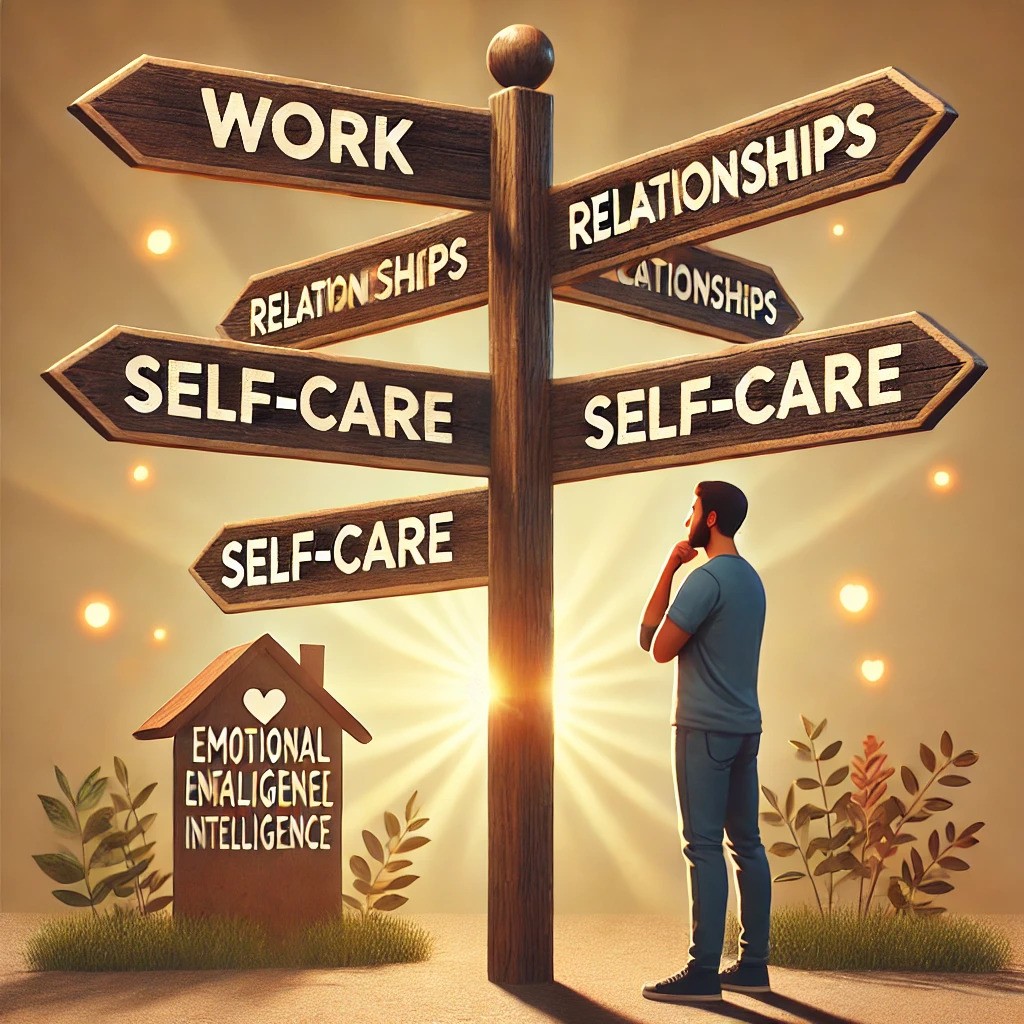
Emotional intelligence extends beyond self-growth; it influences various aspects of our lives, from the workplace to our relationships, and even in educational and social settings. Here’s how EI makes an impact across different areas:
At Work: Building EI for Leadership, Collaboration, and Job Satisfaction
In the workplace, emotional intelligence fosters better teamwork, communication, and leadership. Leaders with high EI are adept at motivating and understanding team members, creating a supportive and productive work environment. Collaboration also benefits, as EI encourages empathy and conflict resolution, making it easier to navigate differences and work toward shared goals. Furthermore, individuals with strong EI are better equipped to handle workplace stress, leading to greater job satisfaction and resilience.
Example Applications:
- Leadership: Effective leaders often practice self-regulation, keeping calm in stressful situations and setting a positive tone for their teams.
- Team Collaboration: High EI encourages open communication and understanding, promoting a workplace culture that values everyone’s perspective.
In Relationships: Using Physical Awareness to Enhance Empathy, Communication, and Conflict Management
Emotional intelligence is a cornerstone of healthy, fulfilling relationships. Self-awareness and empathy allow individuals to understand their own and others’ emotions, which improves communication and reduces misunderstandings. In conflicts, EI helps manage emotions constructively, reducing impulsive reactions and promoting compromise. Physical awareness techniques, such as grounding exercises and breathwork, can also help maintain emotional balance during challenging conversations.
Example Applications:
- Communication: Practicing active listening and responding mindfully strengthens connection and trust.
- Conflict Management: Recognizing personal emotional triggers and practicing self-regulation can de-escalate conflicts, helping to resolve issues respectfully and calmly.
In Personal Development: EI’s Role in Supporting Self-Growth, Goal Achievement, and Mental Health
Developing emotional intelligence is key to personal growth. Self-awareness helps identify personal strengths and areas for improvement, while self-regulation supports resilience in the face of setbacks. By managing emotions effectively, individuals can set and pursue meaningful goals with confidence and persistence. Additionally, emotional intelligence plays a critical role in mental health, as the skills of EI help reduce anxiety, improve mood, and foster a positive mindset.
Example Applications:
- Goal Achievement: Self-motivation and resilience support steady progress toward personal and professional goals.
- Mental Health: Techniques like journaling, self-reflection, and body scanning help manage stress and promote emotional well-being.
In Education: EI’s Impact on Academic Success and Social Adaptability
For students of all ages, emotional intelligence contributes to academic success and positive social experiences. High EI helps students manage stress, stay motivated, and engage actively in their learning. It also encourages empathy and cooperation, allowing students to adapt socially and navigate peer relationships. In both traditional and adult education settings, emotional intelligence fosters a positive learning environment where curiosity, resilience, and emotional balance flourish.
Example Applications:
- Academic Success: Self-regulation helps students stay focused and handle academic challenges without becoming overwhelmed.
- Social Adaptability: Empathy and perspective-taking aid in building friendships, understanding others, and contributing positively to group dynamics.
The Future of Emotional Intelligence

As emotional intelligence (EI) continues to grow in importance, new trends, technologies, and research are shaping its future. From education and workplace development to advancements in technology and mental health research, EI is becoming more accessible, measurable, and impactful than ever.
Trends in EI Development: The Growing Importance of EI in Education, Workplaces, and Personal Growth
In recent years, emotional intelligence has become a key focus in various sectors:
- Education: Schools are increasingly incorporating EI into their curricula, recognizing its role in social and emotional learning (SEL). Students who learn to manage emotions, set positive goals, and show empathy perform better academically and develop stronger social skills, which prepare them for future challenges.
- Workplaces: Employers are recognizing that emotional intelligence is crucial for effective teamwork, leadership, and job satisfaction. Many organizations are incorporating EI training to improve communication, collaboration, and overall workplace culture, resulting in reduced turnover and increased productivity.
- Personal Growth: As the self-help and wellness sectors expand, more people are seeking to improve their emotional intelligence for personal development. Through books, workshops, and online courses, individuals are developing EI skills to improve relationships, manage stress, and increase resilience in everyday life.
Technology and EI: Enhancing Physical and Emotional Awareness through Apps and Wearable Devices
Technology is transforming how we approach and cultivate emotional intelligence. Apps, wearables, and online platforms offer innovative ways to enhance EI skills and monitor emotional well-being:
- Mindfulness and EI Apps: Apps like Headspace, Calm, and Moodfit offer tools for emotional self-awareness, stress management, and mindfulness practice. These apps provide guided meditations, mood tracking, and reminders, making it easier for users to integrate EI practices into their daily lives.
- Wearable Devices: Devices like Fitbit, Apple Watch, and Oura Ring now track physical markers such as heart rate variability, which correlate with stress and emotional states. By providing real-time feedback on physiological responses, these devices help users become more aware of their emotional and physical states, enabling them to make adjustments and improve emotional regulation.
- Virtual Reality (VR) and Augmented Reality (AR): Emerging technologies are being explored for EI training, particularly in empathy-building exercises. VR, for instance, can simulate real-life scenarios, allowing users to practice empathy, communication, and conflict resolution in immersive environments.
Emerging Research: The Expanding Role of EI in Mental Health, Productivity, and Overall Well-being
New research continues to highlight the powerful impact of emotional intelligence on various aspects of life:
- Mental Health: Studies are increasingly showing that high EI correlates with reduced symptoms of anxiety, depression, and stress. Emotional intelligence skills, particularly self-regulation and self-awareness, are proving beneficial in managing mental health by providing tools for understanding and processing emotions.
- Productivity and Performance: EI is linked to higher productivity, both at work and in academics. Individuals with strong EI skills are better equipped to handle pressure, set goals, and collaborate effectively. Research shows that EI enhances motivation, resilience, and overall performance.
- Overall Well-being: Emotional intelligence positively impacts physical health by reducing chronic stress, improving immune function, and enhancing overall well-being. Research on EI and physical health continues to uncover connections between effective emotional regulation, reduced risk of stress-related health issues, and longer-term health benefits.
With advances in research, technology, and awareness, emotional intelligence is poised to play an even more significant role in how we learn, work, and live. As we continue to understand and develop EI, the future promises new tools, deeper insights, and greater integration of emotional intelligence into daily life.
Conclusion: Embarking on Your Emotional Intelligence Journey

Developing emotional intelligence is an ongoing journey of self-discovery, resilience, and connection. As you’ve explored in this guide, cultivating emotional intelligence begins with a foundation in physical awareness. By tuning into your body’s signals—through skill-based exercises, mindful movement, and daily practices—you open up a powerful gateway to understanding your emotions, building resilience, and fostering meaningful relationships.
Emotional intelligence skills are tools for navigating life’s challenges and opportunities with clarity and purpose. Whether through self-awareness, empathy, self-regulation, or motivation, each skill enhances your ability to connect with yourself and others. By integrating these practices into your daily routine, you take steps toward a more balanced, fulfilling, and intentional life.
Remember, growth takes time and patience. Continue to explore techniques like journaling, breathwork, and mindful exercise, and don’t hesitate to seek additional resources—books, apps, courses, and supportive communities—to support your development.
As you embark on this journey, embrace each step as a learning experience. Every moment of self-reflection, empathy, and emotional control brings you closer to a deeper understanding of yourself and a richer connection with the world around you. Reclaiming emotional awareness as a path to greater resilience is not just a destination but a lifelong practice. Here’s to your journey toward greater emotional intelligence and a life of well-being, resilience, and genuine connection.