• Skip to primary navigation
  • Skip to main content
  • Skip to primary sidebar

ReGroove Fitness

by Wellness Coach Dan Ma

  • Somatic Performance
    • Martial Movement
    • Skill-Based Exercise
  • Wellness Program
  • About
  • Location
  • Testimonials

Blog

5 Benefits of Hiring a Personal Trainer in Portland

December 2, 2024 by Dan Ma Leave a Comment

Struggling to meet your fitness goals or feeling overwhelmed at the gym? Whether you’re looking to shed pounds, gain muscle, or prepare for Portland’s outdoor adventures, personalized coaching is the game-changer you need.

Discover how personal training services in Portland can transform your routine with tailored guidance, support, and results-driven strategies.

1. Customized Workout Plans

Fitness isn’t one-size-fits-all. Hiring a personal trainer ensures every workout is tailored to your unique goals, fitness level, and schedule.

A customized fitness plan in Portland might include cardio to build stamina, strength training to build power, and stability training in Portland to improve balance and prevent injuries. With this approach, every exercise serves a clear purpose.

2. Expert Guidance for Proper Form

Proper form is crucial for avoiding injuries and maximizing results. A personal trainer ensures you execute each movement safely and efficiently.

From improving posture during squats to perfecting your lifts, their expertise is invaluable. Learn how skill-based resistance training in Portland can take your technique to the next level while boosting performance.

3. Accountability and Motivation

We all have days when motivation wanes, but a personal trainer keeps you focused and accountable.

Beyond just workouts, they help cultivate mental discipline and consistency. Much like martial arts and emotional growth in Portland, personal training builds resilience, helping you overcome obstacles and stay on track.

4. Efficient Workouts for Busy Lifestyles

In a bustling city like Portland, time is precious. Personal trainers specialize in time-efficient fitness programs that maximize your results in shorter sessions.

For example, methods like skill-based resistance training target multiple muscle groups, ensuring you get a full-body workout without wasting time. This is ideal for busy professionals juggling packed schedules.

5. Goal-Oriented Results

With a personal trainer, you’ll work toward measurable milestones tailored to your fitness ambitions.

Whether it’s prepping for a Portland marathon, improving overall health, or mastering a specific skill, trainers help you achieve long-term results. Goal-oriented fitness coaching in Portland includes tracking progress and adapting your routine for sustained success.

Takeaway

Hiring a personal trainer in Portland isn’t just about getting fit—it’s about redefining your approach to health and wellness. From customized plans to accountability, proper form, and goal-driven strategies, the benefits are clear.


Ready to start your transformation?

Explore our personal training services in Portland to achieve your goals today. Want to build a solid foundation? Learn about the importance of stability training in Portland or discover the mental discipline behind martial arts training in Portland.



What is your primary interest?
How would you like to be contacted? Please check all that apply.
How did you find me?
0 / 180

Filed Under: Uncategorized

Energy Work: Science-Backed Benefits and Why It Matters

November 22, 2024 by Dan Ma Leave a Comment

The Intersection of Knowledge and Magic

Humanity has always been drawn to two seemingly opposing forces: the relentless thirst for knowledge and the timeless enchantment of magic. As children, we live immersed in wonder, where the world feels boundless, and possibility is infinite. As adults, the pursuit of knowledge sharpens our understanding, offering clarity but often at the expense of the awe we once held dear. These polarities—knowledge and magic—can feel at odds, yet the greatest discoveries emerge when they coexist in harmony.

Energy work stands at this extraordinary intersection. It is a practice born of ancient wisdom yet increasingly validated by modern science, inviting us to embrace the mystery of what we do not yet fully understand. By harmonizing the rigor of research with the enchantment of the unknown, energy work offers a profound lens through which we can explore healing, transformation, and the limitless potential of the human spirit.

Science-Backed Benefits of Energy Work

Energy work encompasses practices like Reiki, Qi Gong, and meditation, all of which aim to balance and harmonize the body’s energy. While the mechanisms of these practices are still being explored, a growing body of research highlights their measurable physical, mental, and emotional benefits.

Stress Reduction and Relaxation

Energy practices effectively activate the relaxation response, reducing stress and promoting overall well-being. For instance, Reiki has been shown to significantly reduce anxiety and cortisol levels, improving heart rate variability (HRV), a key indicator of relaxation (Miles & True, 2010). Such findings underscore the capacity of energy work to support stress management in both clinical and personal settings.

Improved Mental Health

Studies have linked practices like Qi Gong and meditation to notable improvements in mental health outcomes. A systematic review found that these practices reduced symptoms of anxiety, depression, and post-traumatic stress disorder (PTSD) (Lee, Pittler, & Ernst, 2019). These results suggest that energy work could be an effective complementary therapy for individuals managing mental health challenges.

Pain Management

Energy work is gaining recognition in pain management, particularly for chronic conditions. In a randomized controlled trial, cancer patients receiving Reiki reported reduced pain perception and enhanced emotional well-being compared to those receiving conventional care alone (Baldwin & Schwartz, 2015). This highlights the potential of energy practices to alleviate suffering in vulnerable populations.

Enhanced Quality of Life

For individuals with chronic conditions like fibromyalgia and chronic fatigue syndrome, energy practices can significantly improve quality of life. Research published in Holistic Nursing Practice found that patients who incorporated energy healing into their routines experienced reduced symptoms and improved emotional health (Johnson, 2016). These findings align with the broader goals of holistic health care.

The Role of the Placebo Effect

While some critics argue that energy work’s efficacy is rooted in the placebo effect, this mechanism itself demonstrates the powerful interplay between mind and body. The rituals and intentional focus involved in energy work can activate the body’s natural healing processes, fostering measurable improvements in physical and emotional states (Miles & True, 2010).

Integration in Modern Healthcare

Energy work is increasingly being integrated into mainstream healthcare settings. For example, institutions such as Johns Hopkins University incorporate Reiki into cancer care programs, recognizing its potential to enhance patient well-being and recovery. This growing acceptance highlights the practical value of energy practices, even as their mechanisms continue to be studied.

Exploring the Deeper Dimensions of Energy Work

1. Heart-Brain Coherence: The Gateway to Transformation

Recent research reveals that the heart is far more than a mechanical pump—it generates the largest electromagnetic field of any organ in the human body, influencing not only internal systems but also interactions with the external environment. Even more intriguingly, scientists have discovered clusters of neurons, or “brain-like” cells, in the heart, suggesting it has its own intrinsic intelligence.

This discovery aligns with ancient wisdom, such as the Chinese proverb that advises, “The heart should govern an individual’s actions because the heart has no ego.” This perspective, echoed across cultures, emphasizes the heart’s unique role in guiding intuitive and compassionate decision-making.

The HeartMath Institute’s studies on heart-brain coherence reveal that when the rhythms of the heart and brain align, they enhance intuition, resilience, and overall well-being. Practices like meditation and energy healing amplify this coherence, fostering a profound sense of harmony that transcends the self and connects individuals to a larger energetic field (McCraty et al., 2019).

2. Quantum Entanglement: The Science of Interconnection

Quantum physics offers a compelling metaphor for energy work, revealing a universe where interconnection is not just philosophical but fundamental. Phenomena like quantum entanglement—where particles remain linked regardless of distance—challenge our traditional understanding of space and time. This principle resonates deeply with energy work, suggesting that our energetic fields may be similarly interconnected, allowing for phenomena like distant healing or collective intention to operate beyond conventional physical boundaries.

Recent experiments have shown entangled particles “communicating” instantaneously, defying the limits of the speed of light (Zeilinger et al., 2022). While mainstream applications of quantum entanglement are still evolving, their implications are profound, offering tantalizing parallels to energy healing and the idea of a collective consciousness. These principles inspire not just awe but practical questions: Could intention and thought have tangible effects on distant individuals or even global systems?

Interestingly, quantum entanglement is a recurring theme in science fiction, often used to address narrative dilemmas or explain seemingly impossible phenomena. This creative application underscores its transformative potential: If particles at opposite ends of the universe can remain connected, might our consciousness, emotions, and energies also transcend physical limits?

3. Emotional Energy: A Hidden Force for Healing

Emotions are among the most mysterious and magical forces in human existence. While they are often dismissed as fleeting or irrational, science reveals that emotions are powerful energetic signals, deeply embedded in both our biology and our consciousness. They are not just psychological states—they are “energy in motion,” shaping our physical health, relationships, and perception of reality.

Emerging research suggests that unresolved emotions are stored in the body, particularly in the fascia and muscles, manifesting as physical tension or even chronic pain. Practices like stretching, foam rolling, and yoga often release this stored tension, triggering spontaneous emotional responses. This phenomenon aligns with theories that emotions are not merely mental but are physically embedded in the body’s tissues and nervous system (Schleip et al., 2012). As people engage in these practices, they often find themselves experiencing energy in ways that bring insight and healing to their lives.

Hormones like cortisol, serotonin, and oxytocin play a measurable role in emotional states, acting as chemical messengers that influence feelings of stress, joy, or connection. However, emotions transcend hormones. They are shaped by subconscious memories, cultural narratives, and energetic vibrations that science is only beginning to explore.

Research shows that emotions like gratitude, compassion, and joy resonate at higher vibrational frequencies, promoting healing and reducing stress (Fredrickson, 2009). Meanwhile, suppressed emotions such as anger or grief can create blockages, affecting both physical and mental health. The heart, which generates the largest electromagnetic field in the body, appears to amplify and radiate emotional energy, influencing not only the self but also those around us.

Many spend their lives trying to suppress their emotions, yet energy work teaches that by embracing and flowing with emotional energy, we can unlock profound healing and transformation. Practices like somatic therapies, Reiki, and meditation help release stored emotions, restoring balance and harmony.

Emotions are the language of the soul, an ever-present invitation to understand ourselves more deeply. By exploring their biological, physical, and energetic dimensions, we see that emotions are far more than fleeting reactions—they are powerful, transformative forces capable of shaping our lives.

4. Bridging Ancient Traditions and Modern Science

For millennia, ancient healing systems like Ayurveda, Traditional Chinese Medicine (TCM), and Indigenous practices have explored the unseen energies that govern human health. Concepts like prana, qi, and life force energy describe subtle flows within the body that maintain balance and vitality. Remarkably, modern science is beginning to validate these ideas, offering new insights into the rationale behind chakra health, the science and mysticism behind chakras, understanding the seven chakras, and preparing the body for life force energy flow.

Technologies like biofield imaging and thermography now provide glimpses into the energy fields surrounding the body, supporting long-held practices like chakra alignment and meridian therapy. For instance, gas discharge visualization (GDV) imaging reveals shifts in biofields after energy healing sessions, reflecting changes that ancient practitioners would have described as unblocking energy flows. Similarly, Heart Rate Variability (HRV) analysis demonstrates how practices like meditation and Qigong harmonize internal rhythms, promoting resilience and emotional well-being.

Perhaps the most magical aspect of this synthesis is how seamlessly ancient wisdom aligns with modern discovery. The meridians mapped out in TCM bear striking similarities to the pathways identified by advanced imaging techniques, such as functional MRIs. Similarly, Ayurveda’s emphasis on balancing the doshas parallels contemporary understandings of homeostasis in biology.

What remains fascinating is that, despite technological advancements, science has yet to fully comprehend the mechanisms behind energy healing. This enduring mystery speaks to the depth of ancient traditions, which offer not just healing practices but a philosophy of interconnectedness—a vision of the human body as an integral part of a greater energetic system.

In bridging ancient and modern perspectives, we find not contradiction but harmony: a shared acknowledgment of the profound energies that sustain life and a shared commitment to understanding their limitless potential.

5. Self-Healing and Personal Empowerment

Energy work is not just a method of healing—it is an invitation to rediscover the joy of play, curiosity, and self-discovery. As children, we instinctively understand the healing nature of exploration. We approach life with openness and wonder, trusting in our ability to learn, adapt, and grow. Yet as we grow older, the pressures of life often strip away this sense of play, replacing it with seriousness and structure. In the process, we lose a vital part of our capacity to heal and connect with ourselves.

Modern research underscores the profound healing power of play. A study published in Frontiers in Psychology found that engaging in playful activities reduces stress, increases emotional resilience, and even boosts immune function by regulating the body’s stress response (Proyer et al., 2019). These findings resonate with the principles of energy work, which similarly harness a sense of lightness and curiosity to activate the body’s natural healing mechanisms.

Self-healing through energy work invites us to reclaim this childlike spirit—not as a frivolity, but as a deeply restorative practice. Techniques like visualization and heart-focused breathing are playful in their simplicity, yet profound in their effects. They awaken the body’s healing capacity, engage neuroplasticity to rewire the brain, and foster a sense of wonder that reconnects us with our energetic potential. In a similar way, intention-based healing echoes the curiosity of childhood, encouraging us to explore the unseen dimensions of our being with openness and imagination.

Play is not a waste of time—it is a profound act of self-trust. When we embrace energy work as a form of discovery, we let go of rigid expectations and make space for healing to unfold naturally. This is the polarity of self-healing: it requires us to approach the serious work of transformation with the lightness of play. By balancing these forces, we unlock a transformative power that can reshape not only our health but our entire way of being.

Energy work teaches us that healing is not just about fixing what is broken—it is about rediscovering the innate wholeness within us. It reminds us that, just like children, we are capable of endless discovery and growth, guided by the same playful spirit that sustains life itself.

Expanding the Energy Paradigm

The most intimate relationship we will ever have is the one with ourselves. Energy work invites us to explore the depths of our being—what we are made of and what we are capable of becoming. This journey is profoundly inexhaustible, offering infinite possibilities for growth, healing, and connection.

The polarity of knowledge and magic mirrors the journey of a lifetime. As children, we live in a world of enchantment, where mystery is the default and anything feels possible. As adults, knowledge often takes center stage, offering clarity but sometimes obscuring the wonder we once knew. Yet, as we grow older and wiser, we can rediscover the harmony between these forces. Energy work embodies this balance—where the rigor of science meets the magic of the unknown, reminding us that the greatest truths are often found in the interplay between what we know and what we feel.

By harmonizing our inner energies and recognizing our connection to the collective field, we unlock the potential for healing, transformation, and a greater sense of unity. Energy work is not just a practice but a lens through which we can view the interconnected beauty of existence, inspiring us to live with greater intention and compassion.


References

  1. Baldwin, A. L., & Schwartz, G. E. (2015). The role of Reiki in managing cancer treatment symptoms. Cancer, 121(3), 482–489. https://doi.org/10.1002/cncr.29270
  2. Fredrickson, B. L. (2009). Positivity: Top-notch research reveals the upward spiral that will change your life. Crown Publishing Group. https://doi.org/10.9740/mhc.n137083
  3. HeartMath Institute. (2019). Science of the heart: Exploring the heart-brain connection. HeartMath Institute Publications. https://doi.org/10.1037/e541442011-001
  4. Johnson, R. L. (2016). Energy work as complementary therapy for fibromyalgia patients. Holistic Nursing Practice, 30(4), 187–195. https://doi.org/10.1097/hnp.0000000000000178
  5. Lee, M. S., Pittler, M. H., & Ernst, E. (2019). Systematic review of Qi Gong for stress reduction and health improvement. Frontiers in Psychiatry, 10, 102. https://doi.org/10.3389/fpsyt.2019.00092
  6. McCraty, R., & Childre, D. (2019). Coherence: Bridging personal, social, and global health. Frontiers in Public Health, 7(67). https://doi.org/10.1037/e541422011-002
  7. Miles, P., & True, G. (2010). Reiki—Review of a biofield therapy history, theory, practice, and research. The Journal of Alternative and Complementary Medicine, 16(1), 31–37. https://doi.org/10.1007/978-1-137-05902-4_29
  8. Proyer, R. T., Gander, F., Wellenzohn, S., & Ruch, W. (2019). Playfulness and well-being: Associations with stress-related parameters and physical activity. Frontiers in Psychology, 10, 1615. https://doi.org/10.1186/2211-1522-1-4
  9. Schleip, R., Findley, T. W., Chaitow, L., & Huijing, P. A. (2012). Fascia: The tensional network of the human body. Churchill Livingstone Elsevier. https://doi.org/10.1016/b978-0-7020-3425-1.00071-4
  10. Zeilinger, A., Gühne, O., & Tóth, G. (2022). Recent advances in quantum entanglement experiments. Physical Review Letters, 129(5), 052001. https://doi.org/10.1103/physrevlett.102.170503

Filed Under: Uncategorized

Mastering Skill-Based Resistance Training (SBRT): A Holistic Approach to Strength, Skill, and Resilience

November 21, 2024 by Dan Ma Leave a Comment

What is Skill-Based Resistance Training (SBRT)?


Confidence isn’t external. It’s embodied in how you move, how you stand, and how you take on challenges—it’s forged through struggle and built into who you are.”


Introduction to SBRT:

SBRT combines strength and skill training to enhance functional movement, motor control, and adaptability—going beyond muscle size to real-world performance.

Definition and Purpose
SBRT trains for precision, balance, and practical strength, bridging the gap between gym gains and everyday functionality.

Modern Fitness Role
SBRT aligns with holistic fitness trends, supporting performance, injury prevention, and long-term resilience.


Instead of seeing fitness as a chore, this approach re-grooves it as an opportunity to grow, explore, and push boundaries.”


Functional Strength & Skill Development

SBRT bridges gym strength and real-world performance by prioritizing full-body movements that enhance coordination, balance, and adaptability.

  • Foundational Moves:
    • Deadlifts: Build foundational strength and efficient lifting mechanics for daily tasks.
    • Lunges: Improve balance, single-leg control, and lower-body stability for dynamic movement.
  • Practical Patterns:
    • Compound exercises (squats, presses) engage multiple muscles for real-world strength.
    • Multi-planar drills (kettlebell swings, loaded carries) build adaptability across movement planes.
  • Performance Benefits:
    • Improves posture, coordination, and endurance.
    • Strengthens stabilizing muscles to prevent injuries.
    • Enhances reaction time and balance for quick adjustments.

SBRT vs. Traditional Resistance Training

  • Traditional Training: Focuses on muscle size and maximum strength with isolated, repetitive exercises.
  • SBRT: Blends strength and skill through dynamic, real-world movements, enhancing adaptability and neuromuscular efficiency.

Why SBRT?

  • Versatile: Fits all fitness levels and goals.
  • Sustainable: Prevents injuries by balancing strength, mobility, and stability.
  • Practical: Builds strength for daily life, sports, and work demands.

SBRT goes beyond aesthetics, creating functional, resilient individuals ready for real-world challenges.

Benefits of Skill-Based Resistance Training

Improved Functional Strength

SBRT builds functional strength by prioritizing real-world movements and motor coordination:

  • Compound Movements: Exercises like squats and deadlifts engage multiple muscles, strengthening the body as a cohesive unit.
  • Motor Coordination: Dynamic drills like kettlebell swings enhance strength, stability, and mobility.
  • Real-World Applications: SBRT prepares you for daily challenges and athletic demands, from lifting to explosive power and agility.

By focusing on efficiency and practicality, SBRT turns gym gains into real-world capability.

Injury Prevention

SBRT minimizes injury risk by building balanced strength, stability, and mobility:

  • Balanced Strength: Unilateral moves like single-leg deadlifts fix imbalances, reducing overuse injuries.
  • Dynamic Stability: Lunges and rotational drills enhance multi-plane control, protecting joints during unpredictable movements.
  • Mobility & Mechanics: Deep squats and hip hinges improve flexibility and reinforce proper form, safeguarding areas like the back and knees.

By improving movement efficiency, SBRT ensures long-term resilience and sustainable fitness.

Increased Neurological Efficiency

SBRT strengthens the brain-muscle connection, enhancing movement control, strength, and coordination. By training precise movement patterns, it optimizes muscle activation, reduces energy waste, and boosts performance. This improved efficiency ensures safer, smoother, and more adaptable movements, both in everyday tasks and athletic challenges.

Mental and Physical Resilience


When you build confidence through blood, sweat, and tears, it becomes unshakable—no one can take that away from you.”

Confidence Built Through Effort


Skill-Based Resistance Training (SBRT) offers more than just physical strength—it cultivates unshakable confidence, resilience, and a profound connection between effort and growth by emphasizing skill mastery and the process over rigid goals.

Confidence Forged Through Blood, Sweat, and Tears:

  • Confidence built through blood, sweat, and tears is deeply rooted in effort and struggle. It’s the kind of confidence that becomes part of you, forged through persistence and mastery.
  • Every rep, every skill mastered, and every flow completed weaves confidence and capability into the fibers of your body. It’s not just a feeling—it’s something physical, something that lives in the way you move and carry yourself.
  • This confidence can’t be taken away because it’s earned. It’s the result of hard work, challenges overcome, and a body that remembers its strength and capability.

Skill and Confidence, Interwoven Into Your Being:


Confidence and skill become woven into the fibers of your body, forged through effort and mastery.”


  • With every skill you master, confidence grows deeper, becoming second nature. The precision of a movement, the flow of an exercise, or the strength in a lift becomes embodied, shaping the way you move and approach challenges.
  • SBRT doesn’t just teach you how to move; it transforms movement into a form of self-expression. By combining skills into creative flows, you build a toolkit of strength, adaptability, and resilience.
  • This interwoven relationship between skill and confidence empowers you not just in the gym, but in every aspect of life. When you trust the process, you don’t just meet goals—you surpass them, unlocking potential you never knew you had.

The Process Over Goals:


It’s not about micromanaging goals—it’s about trusting a process that leads to growth and creativity while achieving more than you ever imagined.”


  • SBRT shifts the focus from outcomes to the journey. Each step forward, each skill mastered, and each challenge overcome contributes to long-term growth and empowerment.
  • A process-oriented mindset allows you to achieve not just one goal, but many, without the stress of micromanaging every detail. It transforms training into something enjoyable, meaningful, and sustainable for life.

Versatility Across Fitness Levels

One of the greatest strengths of Skill-Based Resistance Training (SBRT) is its adaptability, making it accessible and beneficial for athletes of all levels—from beginners to advanced practitioners.

For Beginners:

  • SBRT provides a clear and approachable starting point for those new to resistance training. Exercises are scalable in complexity, allowing beginners to focus on foundational skills like proper squatting mechanics, balance drills, or basic kettlebell swings.
  • The emphasis on skill acquisition builds confidence early on, helping beginners feel accomplished and motivated as they develop strength and coordination.

For Intermediates:

  • As skills grow, SBRT evolves to include more dynamic movements, increased resistance, and multi-planar exercises. Intermediates can tackle more complex patterns, such as rotational lifts, loaded carries, or balance-intensive drills.
  • The focus shifts to refining technique, expanding movement versatility, and addressing imbalances to enhance overall performance.

For Advanced Athletes:

  • Advanced practitioners can push boundaries by combining skills into intricate, high-intensity flows that challenge strength, coordination, and endurance simultaneously.
  • SBRT allows advanced athletes to integrate sport-specific movements, fine-tune mechanics, and explore creative expressions of their physical capabilities.
  • The process of continually learning new skills and pushing limits ensures there’s always room to grow, preventing stagnation and monotony.

A Framework for Lifelong Growth: SBRT’s versatility lies in its ability to meet you where you are while always offering the opportunity to progress. Whether you’re just starting your fitness journey, looking to elevate your current routine, or seeking advanced challenges, SBRT adapts to fit your needs, making it a framework for lifelong physical and mental growth.

Core Principles of Skill-Based Resistance Training

Motor Learning & Movement Efficiency:

  • SBRT emphasizes training the brain and body together, leveraging the science of motor learning to build functional strength.
  • By improving movement patterns, exercises become safer, more efficient, and more effective, reducing wasted energy and preventing injuries.

Stimulus-to-Fatigue Ratio:

  • SBRT balances intensity and recovery, ensuring that you train hard enough to progress without overtraining or risking burnout.
  • This principle allows for consistent, sustainable gains, tailored to your current capacity and goals.

Skill-Based Progression:

  • SBRT integrates learning curves with progressive overload, ensuring that as you master one skill, you move on to more complex or challenging variations.
  • This process keeps training engaging, fosters continual growth, and allows for creative expression by combining learned movements into dynamic flows.

It’s not just about looking good—it’s about being recognized for what you can do.”

SBRT highlights capability and mastery over aesthetics, building strength and confidence that are both practical and empowering.


Martial Movement: A Synergistic Approach to Skill and Strength

Definition & Philosophy:

  • Martial Movement integrates the core principles of martial arts with resistance training, creating a dynamic and holistic approach to physical fitness. By blending skill acquisition, strength development, and mindful practice, it embodies the essence of Skill-Based Resistance Training (SBRT).
  • Jeet Kune Do (JKD):
    • Developed by Bruce Lee, JKD emphasizes efficiency, adaptability, and simplicity. These qualities align with SBRT’s focus on functional and transferable strength.
    • JKD’s fluid, explosive movements make it ideal for youthful clients seeking agility, speed, and dynamic coordination. Learn more about Jeet Kune Do and its core philosophy of simplicity and directness.
  • Wing Chun:
    • Known for its close-range techniques and economy of motion, Wing Chun offers a practical, sustainable martial art that can be practiced well into old age.
    • Its focus on flow, alignment, and structural efficiency mirrors SBRT’s emphasis on movement efficiency and long-term resilience. Discover the unique approach of Wing Chun for functional longevity.

By combining the explosive, youthful energy of JKD with the timeless adaptability of Wing Chun, Martial Movement creates a well-rounded foundation that supports clients across all stages of life.

Benefits of Martial Movement in SBRT

Martial Movement is a customizable program that incorporates authentic martial arts and Skill-Based Resistance Training (SBRT) as two distinct but complementary approaches. Together, they provide a tailored fitness experience that builds functional skill, fosters creativity, supercharges confidence, and supports long-term growth.

A Holistic Approach to Functional Skill:

  • Skill-Building for Real-Life Application:
    • Martial Movement focuses on practical, outcome-driven training. Drawing from lineage holders of two authentic martial arts systems, it offers rigorous training in Jeet Kune Do and Wing Chun. These systems develop balance, coordination, and adaptability with techniques designed for real-world application.
    • Skill-Based Resistance Training (SBRT) complements this by offering structured progression in strength and functional movements, ensuring exercises directly translate to everyday utility.
  • Creativity and Intellectual Engagement:
    • Each method fosters intellectual engagement. Martial arts sharpen your mind through tactical movements and discipline, while SBRT challenges you to develop and refine skills through progressive exercises.
    • This duality ensures that training is not only effective but also mentally stimulating, transforming fitness into a rewarding and engaging experience.

Confidence as the Common Thread:

  • Supercharging Confidence Through Mastery:
    • The confidence gained from Martial Movement comes from mastering practical skills and seeing tangible progress. In martial arts, every strike, block, or stance honed builds assurance in your ability to handle challenges. With SBRT, every skill acquired reinforces self-belief through physical capability.
    • Confidence is rooted in what you can do, not just how you look—whether it’s defending yourself effectively or mastering a dynamic movement in SBRT.
  • Confidence for Every Stage of Life:
    • Jeet Kune Do offers a high-energy, adaptable approach ideal for youthful clients seeking assertiveness and agility.
    • Wing Chun, with its soft, efficient techniques and emphasis on practicality, provides a lifelong practice that supports confidence and resilience at any age.

Transforming Routine into Engagement

  • From Boring to Inspiring:
    • Martial Movement transforms fitness into a personalized experience. SBRT provides structured skill-building in functional strength, while martial arts offer practical and tactical training that engages both the body and mind. Instead of seeing fitness as a chore, this approach re-grooves it as an opportunity to grow, explore, and achieve mastery.
  • Discipline Through Engagement:
    • Discipline becomes second nature with a highly engaging and deeply satisfying routine, where every session feels purposeful and rewarding. The combination of SBRT and martial arts ensures that training is never monotonous, fostering commitment without forcing it.
    • By offering variety, challenge, and alignment with personal goals, Martial Movement helps you cultivate discipline naturally, making it easier to stay consistent and focused.

Mindfulness and Emotional Resilience:

  • The principles of martial arts, particularly emotional awareness in martial arts, emphasize being present and grounded. This enhances not only physical skill but also mental clarity and emotional resilience, creating a more balanced and confident approach to life.

By offering distinct yet customizable approaches to martial arts and SBRT, Martial Movement provides a personalized fitness experience that empowers you to grow, master skills, and supercharge confidence—all while enjoying the process.

Best Tools for Skill-Based Resistance Training

Skill-Based Resistance Training (SBRT) thrives on tools and methods that enhance functional movement, coordination, and strength. These tools, combined with calisthenics, provide variety, challenge, and adaptability for athletes at all levels.

Kettlebells:

  • Explosive Strength and Versatility:
    • Kettlebells are a staple for SBRT, known for building power, endurance, and dynamic control.
  • Beginner Tips:
    • Start with foundational exercises like kettlebell swings to develop hip power and goblet squats for safe, functional strength.
  • Advanced Applications:
    • Explore kettlebell flows, combining cleans, presses, and rotational movements to challenge your coordination and total-body stability.

Steel Maces:

  • Rotational Power and Grip Strength:
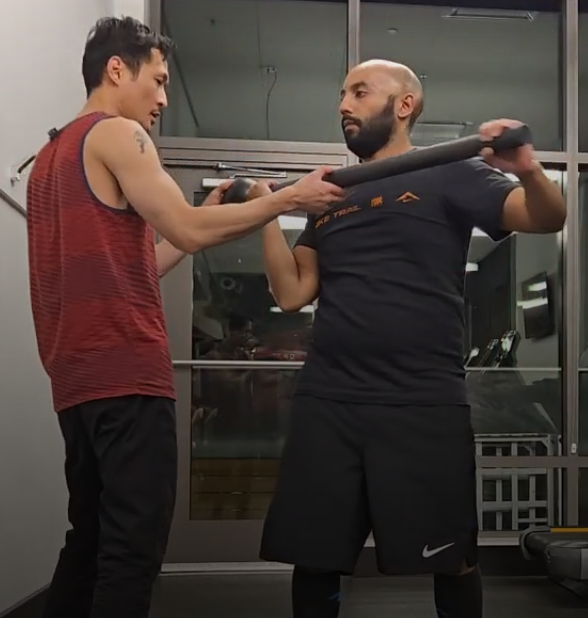
    • Steel maces target core stability and rotational strength while improving grip endurance.
  • Key Exercises:
    • Beginners can work on 360-degree swings, focusing on control and stability.
    • Advanced users can incorporate offset lunges or dynamic rotations, which test balance and full-body engagement.

Clubs:

  • Precision and Joint Health:
    • Clubs are excellent for refining shoulder mobility, wrist strength, and rotational control, making them perfect for injury prevention and functional movement.
  • Training Applications:
    • Beginners can start with single-club swings and circles to build joint integrity.
    • Advanced practitioners can progress to multi-directional flows and complex patterns that develop coordination and dynamic strength.

Olympic Rings:

  • Bodyweight Mastery and Stability:
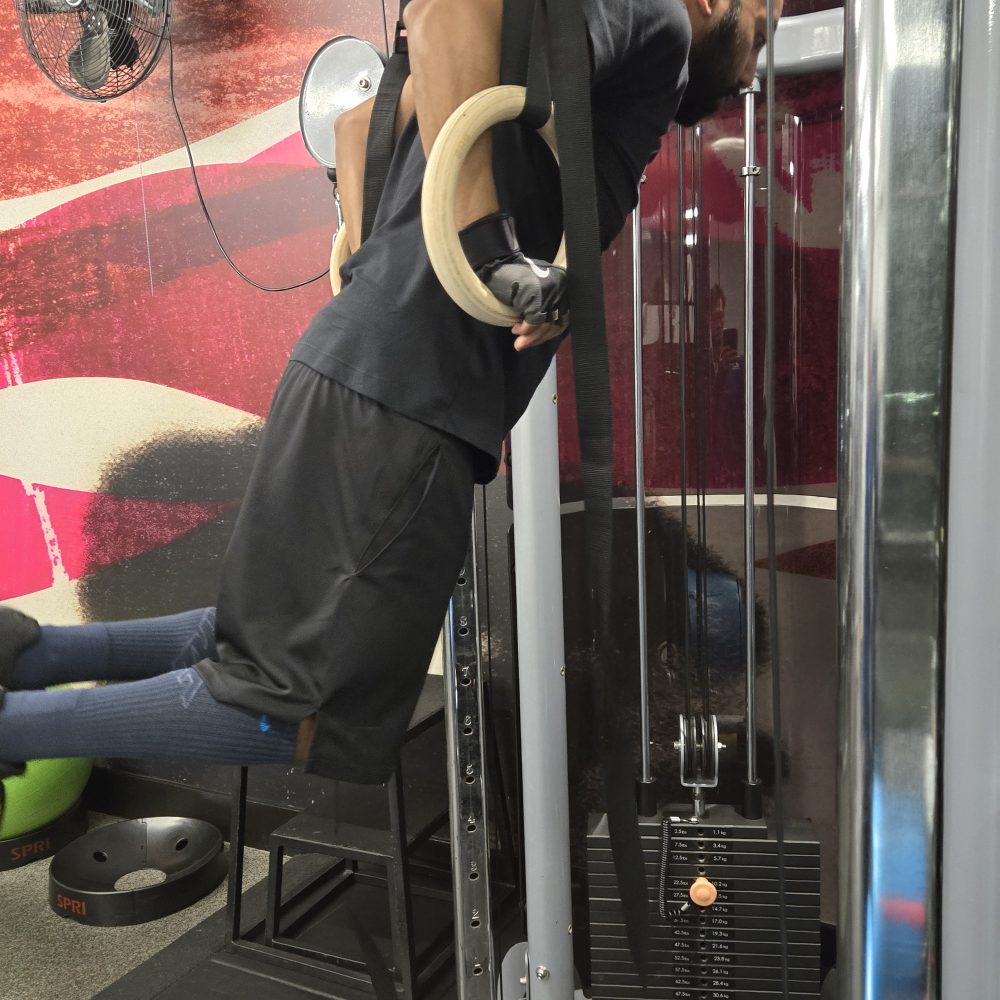
    • Olympic rings amplify bodyweight training by introducing instability, which engages stabilizing muscles and builds full-body control.
  • Exercises for All Levels:
    • Beginners can practice ring rows and support holds to develop foundational upper-body and core strength.
    • Intermediate and advanced users can work towards ring push-ups, dips, and even muscle-ups for total-body power and control.

Jump Rope:

  • Cardio, Agility, and Coordination:
    • The jump rope is a simple but powerful tool for improving cardiovascular endurance, timing, and agility.
  • Training Tips:
    • Beginners can focus on basic single jumps to improve rhythm and endurance.
    • Advanced jumpers can add speed, double-unders, and footwork drills to elevate coordination and explosiveness.

Calisthenics:

  • Bodyweight Strength and Control:
    • Calisthenics is a cornerstone of SBRT, focusing on mastering your bodyweight to build functional strength and stability.
  • Foundational Movements:
    • Exercises like push-ups, squats, and planks create a strong base for beginners, enhancing core strength and overall control.
  • Advanced Progressions:
    • For more experienced practitioners, calisthenics offers limitless challenges, including handstands, single-arm push-ups, pistol squats, and dynamic plyometric movements.

Why These Tools Work Together

Each tool and method complements the others, creating a comprehensive approach to functional fitness:

  • Kettlebells and steel maces develop power and core stability.
  • Clubs refine precision and protect joints.
  • Olympic rings and calisthenics build bodyweight strength and control.
  • Jump rope enhances cardiovascular fitness and agility.

Takeaway

Recap the Synergy:

  • Skill-Based Resistance Training (SBRT) and Martial Movement each offer unique approaches to fitness, emphasizing strength, skill development, and adaptability. Together, they provide a versatile and holistic pathway to improving not just physical fitness but also mental resilience and confidence.
  • With SBRT, you develop functional strength and movement efficiency. Martial Movement adds depth through the mastery of authentic martial arts, fostering discipline, self-awareness, and practical skills that go beyond the gym.

Encouragement to Explore:

  • Fitness is more than a routine—it’s a process that builds strength, confidence, and creativity. Whether you’re mastering a kettlebell flow, refining a strike, or embracing a process-oriented mindset, the possibilities are endless.

Discipline and growth come naturally when your training is engaging, purposeful, and satisfying. Explore the synergy of SBRT and Martial Movement to discover a training approach that meets you where you are and inspires you to keep improving.

Filed Under: Uncategorized

Embracing the Shadow: Self-Discovery Through Shadow Work

November 19, 2024 by Dan Ma Leave a Comment

Discovering Your Shadow: An Introduction to Self-Exploration

Shadow work is not just about uncovering who you are or who you think you are—it’s about expanding into who you can be. It asks us to look beyond the roles we play, the masks we wear, and even the limits we unconsciously impose on ourselves. It’s about learning not just how you are perceived, but how to be—and, more importantly, how to become.

Carl Jung described the shadow as the part of our unconscious mind that houses traits, emotions, and desires we’ve hidden from ourselves. These buried aspects can create self-imposed barriers, shaping the way we see the world and what we believe we’re capable of. Shadow work is the process of unearthing these limiting patterns and rewiring them, allowing us to transcend old grooves and step into a life of greater possibility.

“The repeated performance of an action creates a mental blueprint causing the formation of subtle electrical pathways in the brain, somewhat like the grooves in a phonograph record. Your life follows the grooves that you yourself have created in your brain.”
— AWAKE: The Life of Yogananda

This quote beautifully illustrates how shadow work allows us to consciously rewrite those grooves—not just to heal the past, but to intentionally create a future aligned with our highest aspirations. In this article, we’ll explore the concept of the shadow, its benefits, and practical tools to help you begin this transformative journey. Shadow work isn’t just about uncovering hidden parts of yourself—it’s about regrooving your life and stepping into your fullest potential.

What is the Shadow? Exploring the Hidden Aspects of Yourself

Defining the Shadow

Within each of us exists a duality—the external world of the ego and the internal world of the shadow. The ego is yang: it thrives in the light, shaping how we act and how we’re perceived. The shadow, by contrast, is yin: hidden and mysterious, it holds the parts of ourselves we suppress or avoid.

Carl Jung described the shadow as the unconscious aspects of our psyche—traits, desires, and emotions that don’t fit the version of ourselves we want to project. Though hidden, these aspects influence our thoughts, behaviors, and relationships in powerful ways.

Shadow work isn’t for everyone—at least not immediately. It’s a tool best suited for those who are open and ready for deep introspective transformation. For some, this readiness begins with the body. High anxiety or difficulty slowing down can make shadow work feel overwhelming. In such cases, practices like breathwork and mindfulness can help regulate the nervous system and prepare the mind for deeper exploration.

For those ready to take the next step, shadow work offers the chance to confront hidden truths and unlock profound self-awareness and transformation.

How the Shadow Forms

Shadow work helps us understand how the shadow develops over time. From childhood, we are shaped by societal and personal conditioning. A child might learn early on to suppress vulnerability because they’re told to “be strong,” or they might stifle curiosity after being scolded for asking too many questions. These early experiences create a divide: the traits we celebrate and bring into the light become part of our ego, while the traits we fear or reject retreat into the shadow.

Society reinforces this split with its expectations of what is “appropriate” or “desirable.” Over time, we unconsciously push anger, sadness, selfishness, or even ambition into the shadow to avoid judgment or rejection. But these suppressed aspects don’t stay quiet forever—they influence us in ways we may not recognize.

The Shadow’s Impact on Relationships

The shadow isn’t confined to our internal world; it often plays out in our interactions with others. Surface-level arguments and recurring conflicts are often fueled by deeper, unresolved patterns rooted in our shadow. For example, someone who suppresses feelings of inadequacy may react defensively to constructive feedback, feeling attacked even when the intent was supportive. Another person who denies their anger might accuse others of being hostile, unaware that they are projecting their own emotions.

These patterns create cycles in relationships, where each person’s shadow triggers the other’s. Greater awareness and self-management—often guided by mindfulness or therapy—can provide an entry point to break these cycles. Shadow work takes it further, helping us unearth the roots of these dynamics and transform them at their source. By doing so, we cultivate healthier, more authentic connections, free from unconscious reactivity.

Why Shadow Work Matters

While shadow work is a powerful tool, it is not the first step for everyone. For those at a more advanced level of self-improvement, it offers profound insight into the internal dynamics of the yin and yang within us. By exploring the shadow, you take a bold step toward integrating your whole self, unlocking emotional freedom, and deepening your relationships.

Next, we’ll explore the incredible benefits of shadow work and how it can transform every aspect of your life.

The Benefits of Shadow Work: Transforming Your Inner World

Shadow work is a transformative process that invites you to explore the hidden aspects of yourself and shift from external control to self-mastery. In Hermetic teachings, the fire element relates to the survival instincts of the reptilian brain—our primal drive to control for the sake of safety and security. While this “low vibe” approach seeks to dominate surroundings, the “high vibe” path focuses on controlling one’s inner world. Shadow work facilitates this higher path by uncovering reactive patterns and empowering you to master them, offering profound benefits for your inner and outer life.

1. Greater Self-Awareness

Shadow work helps you move beyond reactive survival instincts by bringing unconscious patterns into conscious awareness. Instead of trying to control external circumstances to avoid discomfort, you learn to identify the deeper emotions and beliefs driving your reactions.

For example, you might notice that a desire to micromanage others stems from feelings of vulnerability or insecurity. By acknowledging this, you can let go of the need to control your environment and instead focus on strengthening your inner resilience. This self-awareness is the first step toward true mastery.

2. Emotional Healing

The “low vibe” approach often suppresses uncomfortable emotions like fear, anger, or shame, pushing them into the shadow. Over time, these suppressed feelings create tension and unresolved pain. Shadow work helps you address these emotions, not by controlling or avoiding them, but by sitting with them and allowing them to be felt and released.

As you embrace these parts of yourself, you break free from the reactive patterns they’ve created. This process of emotional healing brings a sense of peace and clarity, helping you respond to life from a place of centeredness rather than survival.

3. Better Relationships

In relationships, the low-vibration instinct to control others can lead to conflicts and misunderstandings. Shadow work helps you recognize when you’re projecting your unresolved emotions onto others. For instance, a tendency to control a partner might stem from fear of abandonment or past rejection.

Through shadow work, you learn to manage your own triggers, reducing the need to control external dynamics. This creates space for more authentic, harmonious relationships, built on mutual respect and understanding rather than unconscious reactivity.

4. Living an Authentic Life

The ultimate goal of shadow work is to move from external control to internal mastery. By integrating your shadow, you align with the Hermetic principle of controlling the self rather than the world around you. This alignment allows you to live authentically, expressing your true nature without fear of judgment or rejection.

When you release the need to manipulate your surroundings for survival, you step into a higher vibration—a state of being where your actions are driven by self-awareness and purpose. This is where true freedom lies.

Shadow work is not just about exploring your inner depths—it’s about shifting from a reactive, fear-driven existence to a life of empowered self-mastery. By embracing the Hermetic principle of self-control, you unlock the potential to transform your inner world and create a more balanced, fulfilling life.

Debunking Myths About Shadow Work

Shadow work is often misunderstood. Its transformative nature can feel intimidating, especially for those unfamiliar with exploring their emotions or inner world. However, these fears often stem from limited emotional awareness or intelligence. By integrating emotional intelligence into shadow work, you create a supportive framework for self-discovery and growth.

Myth 1: Shadow Work Is Dangerous

One fear surrounding shadow work is that it’s unsafe or destabilizing. While it can bring challenging emotions to the surface, the process becomes more manageable when grounded in the body as the foundation of emotional awareness and intelligence. Paying attention to physical sensations can help you stay present during moments of emotional intensity, creating a safe and supportive environment for exploration.

For those with heightened sensitivity, techniques that support emotional release through the body can make shadow work more accessible. These practices help release suppressed emotions while maintaining a sense of balance and stability.

Myth 2: Shadow Work Is Only for the Broken

Some people believe shadow work is only for those experiencing deep emotional struggles. In truth, shadow work isn’t about fixing what’s broken—it’s about becoming whole. Everyone has a shadow, and addressing it enhances growth at any stage of life. The key skills of emotional intelligence, such as recognizing and regulating emotions, make this process more empowering, allowing you to approach shadow work with curiosity rather than fear.

Even those who feel confident in their personal or professional lives can benefit from exploring their shadow. Doing so can lead to improved decision-making, deeper authenticity, and healthier relationships, highlighting why emotional intelligence matters.

Myth 3: Shadow Work Is Overwhelming

The thought of confronting suppressed emotions can feel overwhelming, but shadow work unfolds gradually. Like any meaningful practice, it’s a process of small, consistent steps. Learning to improve emotional intelligence with practices like mindfulness, journaling, and emotional regulation helps you build the resilience needed to explore your shadow.

Over time, these tools make the process feel less intimidating and more empowering. You don’t have to tackle everything at once—starting with small, manageable steps can help you build confidence for deeper exploration.

Myth 4: Shadow Work Is Negative

Another misconception is that shadow work is inherently dark or destructive. The shadow contains traits and emotions you’ve suppressed, but these aren’t always negative. Assertiveness, curiosity, or even vulnerability might have been misunderstood or undervalued earlier in life, leading them to be pushed into the shadows.

Exploring these traits through shadow work allows you to reclaim them in healthy, balanced ways. The ability to integrate and accept all parts of yourself leads to emotional balance, greater self-awareness, and alignment in different areas of life.

Why Shadow Work Is Universal and Empowering

Shadow work isn’t about dwelling in darkness—it’s about shedding light on the parts of yourself you’ve ignored or misunderstood. Combining it with emotional intelligence creates a powerful framework for growth, helping you navigate relationships, careers, and personal challenges with greater resilience and clarity.

By embracing shadow work, you open the door to transformation, aligning with your full potential.

How to Start Shadow Work: A Beginner’s Guide

Shadow work begins with one essential skill: paying attention to your feelings. While this sounds simple, it can be incredibly challenging. Our self-defense mechanisms are designed to ignore, rationalize, or suppress emotions to protect us from discomfort. Recognizing when you’re having a feeling, without judgment or analysis, is the first step in uncovering your shadow.

Start with Awareness

The foundation of shadow work is mindfulness—but not the diluted version of the word often thrown around. True mindfulness involves two key practices: noticing your feelings and observing patterns and triggers. Start by paying attention to emotional shifts, even subtle ones. Ask yourself, “What am I feeling right now?” This can be difficult at first, but with practice, you’ll begin to catch emotions as they arise. Then, look for recurring themes in your reactions. Do you feel defensive in certain situations or irritated by specific behaviors? These patterns often point to shadow aspects seeking attention. Awareness allows you to see your shadows, and once you can see them, you can begin to work with them.

Use Tools to Explore Your Shadow

Shadow work doesn’t have to rely on waiting for your triggers to appear. Tools like astrology and CBT (Cognitive Behavioral Therapy) provide structured ways to uncover hidden aspects of yourself. Astrology and natal charts can serve as a roadmap for exploring your shadows. They provide insights into your personality, emotional tendencies, and potential blind spots. As described in this guide on shadow work, natal charts, and CBT, astrology offers a starting point for introspection, helping you identify areas that may require healing. Journaling is another powerful tool. Writing about your triggers, patterns, and feelings helps bring clarity to the unconscious. A question as simple as “What upset me today and why?” can uncover deeper truths. Counseling with the right person can provide support and perspective, guiding you through challenging emotions and offering tailored tools. CBT, one of the most practical approaches to shadow work, focuses on identifying and reshaping thought patterns that drive unwanted behaviors. It’s particularly effective for addressing shadows rooted in limiting beliefs or reactive habits.

Complement Your Process with Meditation

While meditation is beneficial for overall well-being, it might not always directly address the issues shadow work aims to uncover. However, it can complement the process by fostering the focus and emotional resilience needed for deeper introspection.

Take Small, Consistent Steps

Shadow work doesn’t happen overnight. Begin by developing the habit of checking in with your feelings and noticing your patterns. From there, use tools like journaling or your natal chart to deepen your understanding. Build emotional resilience by incorporating mindfulness and CBT practices into your routine. Each step brings you closer to understanding the hidden parts of yourself and integrating them into your whole being. Shadow work is a process, but the rewards—authenticity, self-awareness, and emotional freedom—are well worth the effort.

Takeaway: Begin Your Shadow Work Journey

Shadow work is a journey of self-discovery, emotional healing, and personal transformation. By uncovering and integrating the hidden parts of yourself, you create space for authenticity, emotional freedom, and deeper connections with others. It’s not an easy path, but the rewards—greater self-awareness, wholeness, and inner peace—make the effort worthwhile.

As you begin this process, remember that shadow work is a gradual practice. Start small, stay curious, and approach yourself with compassion. Whether you explore your shadow through tools like journaling, astrology, or CBT, or simply start by paying attention to your feelings, each step brings you closer to living as your truest self.

Are you ready to take that first step? The journey begins with a single moment of awareness.

Filed Under: Uncategorized

Unlocking Your Hidden Self: Integrating Shadow Work with Natal Charts and CBT

November 19, 2024 by Dan Ma Leave a Comment

Have you ever felt stuck, as if old patterns or beliefs are holding you back? The grooves of our mind—the pathways shaped by repeated thoughts, emotions, and actions—can often limit us, even though they were initially formed to protect us. Just like the grooves in a phonograph record, these mental blueprints play the same tune over and over, until we decide to create a new melody.

Shadow work, natal charts, and Cognitive Behavioral Therapy (CBT) are transformative tools for regrooving these pathways and uncovering your authentic self.

  • Shadow Work helps us explore the parts of ourselves we’ve suppressed, bringing awareness to unconscious traits and behaviors.
  • Natal Charts, the cosmic map of our psyche, reveal hidden potentials and challenges, offering a deeper understanding of our emotional and spiritual patterns.
  • CBT provides practical techniques to replace limiting beliefs with empowering ones, allowing us to heal and grow.

Together, these modalities form a powerful framework for self-awareness and transformation. By shining light on the shadow, reinterpreting old patterns, and creating new pathways, you can break free from what no longer serves you—unlocking your potential for growth, healing, and fulfillment.

This article will guide you through practical strategies, from journaling prompts to CBT exercises, empowering you to regroove your mental patterns and embrace holistic growth.

Uncovering Shadow Aspects Through Astrology and Shadow Work

Shadow work helps us explore the hidden parts of ourselves—the traits, fears, and desires we’ve suppressed. Astrology provides a complementary lens for this exploration, offering a symbolic framework for uncovering these shadow aspects. Through natal chart placements, astrology sheds light on subconscious patterns and potential areas for growth.

Whether or not astrology resonates fully, it offers a unique perspective that can spark reflection and self-awareness. Let’s delve into one example to illustrate how astrology can support shadow work.

Using Astrology to Explore Shadow Work

Certain planetary placements in your natal chart may highlight shadow traits or recurring emotional patterns. For example:

Pluto in the 7th House: A Shadow Work Perspective
Pluto, the planet of transformation and rebirth, governs themes of power, control, and deep psychological growth. When Pluto resides in the 7th house, which represents partnerships, it might reflect shadow traits such as fears of vulnerability or patterns of control within relationships. These traits may stem from past experiences, such as betrayal or rejection, that shaped your approach to trust.

Astrology provides insight into these dynamics, while shadow work helps you explore and transform them. For instance:

  • Reflective Questions:
    • Where do I resist vulnerability in relationships, and why?
    • How can I practice trust without controlling outcomes?
  • Journaling Prompt:
    • Write about a time when you felt vulnerable in a relationship. What emotions came up, and how might these experiences influence your current patterns?

By engaging with these reflections, you can use astrology as a tool for emotional healing and inner transformation, revealing how shadow traits can be integrated into your authentic self.

Enhancing Emotional Growth with CBT Techniques and Shadow Work

Cognitive Behavioral Therapy (CBT) is a powerful technique for emotional healing and reshaping thought patterns, especially when combined with shadow work for deeper self-awareness. Together, these tools offer a transformative path for addressing limiting beliefs and creating emotional resilience.

How CBT Techniques Complement Shadow Work

Shadow work often uncovers limiting beliefs tied to past experiences—patterns rooted in the protective mechanisms of the ego. CBT techniques help translate these revelations into actionable steps, fostering emotional growth and mental clarity. This synergy allows you to address deep-seated emotional patterns and develop healthier ways of thinking.

For example:

  • Uncovering a Shadow Trait: Shadow work might reveal a persistent feeling of self-doubt rooted in past failures. This limiting belief may manifest as thoughts like “I’m not good enough.”
  • Using CBT to Reframe Thoughts:
    • Cognitive Reframing: Replace the thought “I’m not good enough” with “I’m learning and improving every day.”
    • Behavioral Experiments: Test the new belief by taking small, actionable steps, like sharing an idea in a team meeting or trying a new skill.

Practical CBT Exercises for Emotional Growth

CBT techniques provide practical tools for thought transformation and self-discovery. Here are two simple but effective exercises:

  • Thought Journaling:
    Journaling helps identify and reframe negative thoughts, offering mental clarity. Create two columns:
    • In the first, write a negative thought, such as “I always fail.”
    • In the second, reframe it into a constructive belief: “Every mistake teaches me something valuable.”
  • Cognitive Reframing Practice:
    Reflect on a recurring negative thought, such as “I can’t handle challenges.” Challenge it by asking:
    • What evidence supports this belief?
    • What evidence contradicts it?
      Replace it with an empowering thought, like “I’ve overcome challenges before, and I can do it again.”

Achieving Emotional Resilience Through Self-Awareness

By using CBT techniques alongside shadow work, you can achieve lasting emotional healing and enhanced self-awareness. Tools like cognitive reframing and journaling empower you to uncover hidden patterns, transform them into opportunities for growth, and build emotional resilience.

How to Combine Astrology, Shadow Work, and CBT for Personal Growth

Combining astrology, shadow work, and CBT provides a holistic approach to emotional healing, personal growth, and deep self-awareness. Each modality plays a unique role in this process: astrology illuminates patterns tied to emotional healing, shadow work encourages confronting hidden fears, and CBT translates these discoveries into actionable steps for personal growth. Together, they create a powerful framework for transformation.

Practical Applications for Self-Reflection

Here are two practical ways to integrate these tools into your personal development journey:

  • Journaling Prompt Inspired by Astrology:
    Your natal chart can act as a self-discovery tool, offering insights into emotional resilience and areas for inner transformation. For example, a Venus retrograde placement might highlight fears of rejection or struggles with self-worth. Reflect on this using the following journaling prompt:
    • “How does fear of rejection (Venus retrograde) show up in my relationships? What patterns do I notice in my behavior, and where might these stem from?”
  • Pairing CBT Exercises with Shadow Work Reflections:
    Shadow work often brings subconscious fears and limiting beliefs to light. CBT techniques like cognitive reframing can help transform these into empowering perspectives. For instance:
    • Reflect on a journaling insight. If you uncover a recurring thought like “I’ll always be rejected,” apply CBT’s cognitive reframing technique:
      • What evidence supports this belief?
      • What evidence contradicts it?
      • What is a healthier way to view this?
    • Reframe the thought as: “Rejection is not a reflection of my worth. Each experience helps me grow stronger and more self-aware.”

The Power of Holistic Self-Reflection

By integrating astrology, shadow work, and CBT, you create a transformative path to self-awareness, emotional healing, and lasting personal growth. Astrology provides the symbolic language to identify patterns, shadow work uncovers their roots, and CBT builds emotional resilience through actionable strategies. Together, these practices empower you to embrace your authentic self and navigate life with clarity and mindfulness.

Filed Under: Uncategorized

Chakras and Emotional Awareness: Understanding the Mind-Body Connection

November 18, 2024 by Dan Ma Leave a Comment

In our journey toward self-awareness and well-being, two powerful concepts often surface: chakras and emotional intelligence. Chakras, the ancient energy centers of the body, are believed to influence our physical, emotional, and spiritual health. Emotional intelligence, on the other hand, is the modern skill of understanding and managing emotions effectively.

This article explores the fascinating connection between these two frameworks, uncovering how balancing your chakras can enhance emotional resilience and awareness. Along the way, we’ll dive into practical tips and reference resources to guide your journey toward a harmonious mind-body connection.

The Foundations of Chakras and Emotional Awareness

What Are Chakras? A Historical and Functional Overview

Chakras are ancient energy centers within the body that influence physical, emotional, and spiritual well-being. The seven main chakras, each corresponding to a specific area of the body, play a vital role in maintaining balance and harmony. Exploring the intricacies of understanding the 7 chakras reveals their connection to our emotions and energy flow.

Emotional Awareness Defined: Key Components and Benefits

Emotional awareness, a cornerstone of emotional intelligence, involves recognizing and managing emotions effectively. By honing skills like self-awareness, empathy, and emotional regulation, individuals can build resilience and enhance their relationships. The key skills of emotional intelligence highlight these essential abilities.

The Science and Mysticism of Chakras and Emotional Intelligence

The convergence of science and mysticism offers intriguing insights into the body’s energy systems. Among these, the study of chakras stands out as a key focus, highlighting their role as energy centers that shape physical health, emotional balance, and spiritual growth. To learn more about the impact of energy work on overall well-being, check out the science behind energy work and its benefits.

How Chakras Influence Emotional States

Each chakra governs specific emotional states, creating harmony when balanced and discord when blocked. For example, an imbalanced heart chakra can lead to struggles with empathy and connection. Insights into how chakras influence emotional states provide a deeper understanding of this intricate relationship.

Modern Science Meets Ancient Wisdom: Energy Flow, Prana, and Emotional Release

While rooted in mysticism, the concept of chakras aligns with modern scientific perspectives on energy and emotion. Practices like yoga and meditation promote energy flow (prana), aiding in emotional release and regulation. This intersection of science and mysticism highlights the mind-body connection.

Mapping the 7 Chakras to Emotional Skills

The Root Chakra and Resilience

The root chakra, located at the base of the spine, is associated with stability and grounding. When balanced, it fosters resilience and a sense of security, helping individuals manage stress effectively. Explore its role in emotional strength in our section on understanding the 7 chakras.

The Heart Chakra and Empathy

The heart chakra governs love, compassion, and emotional connection. A balanced heart chakra enhances empathy and strengthens interpersonal relationships, creating harmony within and around us. Dive deeper into this chakra’s influence on emotional states.

The Crown Chakra and Self-Actualization

The crown chakra represents higher consciousness and self-actualization. This energy center supports mindfulness and the pursuit of purpose, empowering individuals to align their actions with their values. Learn more about chakra alignment and emotional clarity.

Preparing the Body and Mind: Practices for Balance

Techniques for Chakra Alignment: Yoga, Breathing, and Visualization

Techniques like yoga, breathing exercises, and visualization are powerful tools for aligning chakras and fostering emotional balance. Yoga postures target specific chakras, enhancing energy flow and emotional clarity, while breathing techniques, such as pranayama, calm the mind and regulate emotions. Visualizations further activate and balance energy centers, creating harmony within. For actionable guidance, explore techniques for preparing the body for life force energy flow.

Martial Arts as Emotional Awareness in Motion: Lessons from Discipline and Movement

Martial arts offer a dynamic way to connect with emotions through disciplined movement and body awareness. Practices like Wing Chun teach mindfulness in motion, helping individuals process emotions while cultivating resilience and control. Discover how martial arts foster emotional awareness.

Practical Steps to Start Your Journey

Small Daily Habits to Align Chakras and Build Emotional Awareness

Incorporating small habits into your daily routine can create profound shifts in your emotional balance. Start with a few minutes of chakra-focused meditation or practice yoga poses that target specific energy centers. Journaling your emotions helps cultivate self-awareness, while mindful breathing can instantly reduce stress. Learn more about daily habits for energy flow.

Resources to Explore: Links to Guides and Practices

Dive deeper into the connection between chakras and emotional intelligence with our detailed guides: explore the science of emotional release and discover how martial arts can enhance emotional awareness. These resources provide actionable insights to support your journey.

Takeaway

Balancing your chakras is more than an ancient practice—it’s a pathway to emotional resilience and deeper self-awareness. Begin your journey today by exploring the resources shared and embracing small, mindful steps toward harmony and emotional strength.

Filed Under: Uncategorized

« Previous Page
Next Page »

Primary Sidebar

  • Somatic Performance
  • Wellness Coaching
  • About
  • Blog
  • Contact

ReGroove Fitness | Somatic Personal Training in Portland, OR


Loading Comments...