Guide Menu
- The Rationale Behind Chakra Health
- The Science and Mysticism Behind Chakras
- Understanding the 7 Chakras
- Preparing the Body for Life Force Energy Flow: Unlocking Prana, Chi, and Chakras
- Experiencing Energy
What Are Chakras?
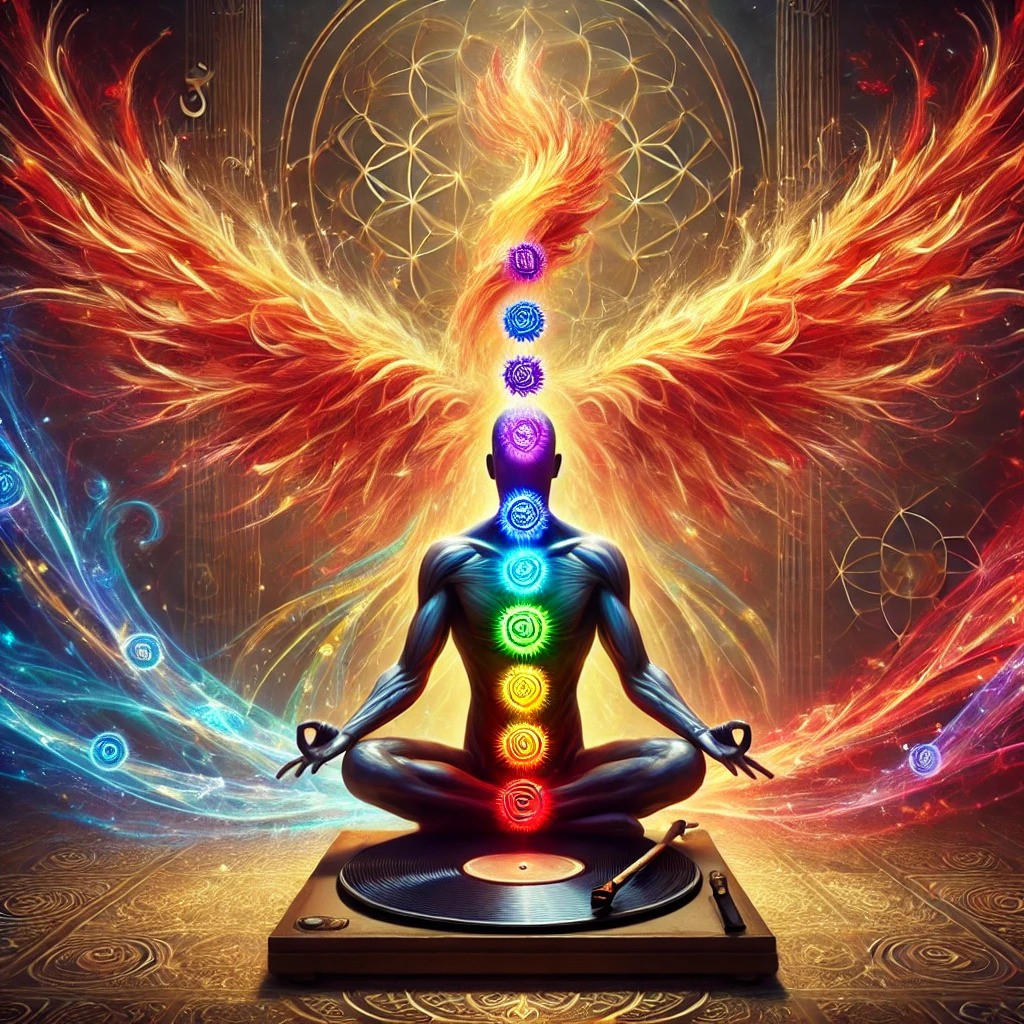
Chakras are often described as spinning wheels of energy located along the spine. Each chakra represents a specific aspect of our physical, emotional, and spiritual well-being, from grounding and stability to intuition and connection with the universe. They play a key role in maintaining harmony within the body and mind.
Brief History and Origin
The concept of chakras originated in ancient India, deeply rooted in Hindu and Buddhist traditions. For centuries, these traditions have viewed chakras as energy centers that facilitate the flow of life force energy, known as prana in Sanskrit. Their teachings have shaped practices like yoga and meditation, which are still widely embraced today.
Overview of Chakras in Different Cultures
While chakras are most closely associated with Indian spiritual traditions, similar concepts appear in cultures worldwide.
- In Traditional Chinese Medicine, chi (life energy) flows through meridians, akin to chakra pathways.
- Indigenous healing practices often reference energy centers in the body to restore balance.
- Modern wellness approaches integrate these ancient insights, blending them with practices like Reiki and acupuncture.
This universal focus on energy reminds us that maintaining balance is a timeless and cross-cultural pursuit.
The Rationale Behind Chakra Health
Why Chakra Health Matters
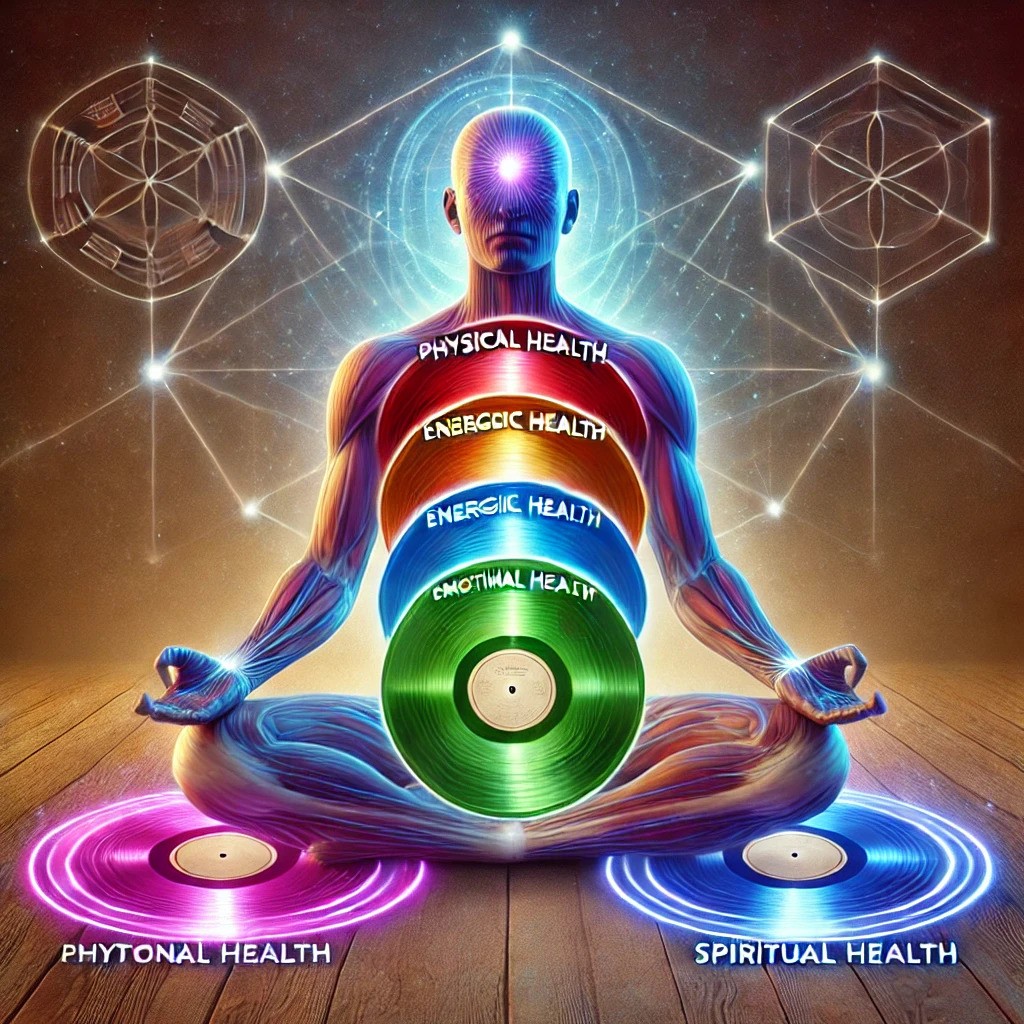
Chakras are often described as the energetic bridges between the physical, energetic, emotional, and spiritual layers of our being. When these energy centers are balanced and aligned, they act as powerful tools for promoting overall well-being. Understanding the importance of chakra health provides a roadmap for cultivating harmony within ourselves.
Supporting Vitality Across All Levels
- Physical: Balanced chakras ensure smooth energy flow throughout the body, contributing to improved physical vitality and resilience. For instance, the root chakra promotes stability and grounding, which can enhance physical strength and balance.
- Energetic: As gateways in the energetic body, chakras regulate the flow of life force energy (prana or chi), impacting how we feel and interact with the world. Clear chakras allow energy to circulate freely, supporting inner harmony.
- Emotional: Each chakra corresponds to emotional states—such as the heart chakra, which governs love and compassion, or the solar plexus chakra, which influences self-confidence and personal power. A balanced emotional state stems from balanced chakras.
- Spiritual: Chakras like the crown chakra and third eye chakra are linked to higher consciousness and intuition, helping individuals connect with their spiritual purpose.
Recognizing the Impact of Imbalances
When chakras are blocked or misaligned, the effects often ripple through all dimensions of well-being:
- Physical Symptoms: Imbalances in the root chakra might manifest as fatigue, while an overactive throat chakra may lead to physical tension in the neck and shoulders.
- Emotional Struggles: A blocked heart chakra could result in feelings of isolation or difficulty expressing love.
- Spiritual Disconnection: An imbalanced crown chakra may create a sense of purposelessness or disconnection from higher consciousness.
Enhancing Holistic Wellness
Practices that focus on chakra health—such as Qigong, yoga, meditation, and visualization—help restore balance by addressing the physical, energetic, emotional, and spiritual layers of the self. The results include:
- Increased vitality and reduced physical tension.
- Greater emotional balance and resilience.
- Enhanced spiritual clarity and a stronger sense of purpose.
Physical and Emotional Benefits
Chakras are deeply interconnected with the physical and emotional layers of well-being. When these energy centers are balanced, they provide a foundation for vitality, emotional resilience, and inner harmony. Exploring the physical and emotional benefits of chakra health highlights its transformative potential.
Physical Benefits
Balanced chakras support the energetic body, which influences physical processes and overall health:
- Enhanced Vitality and Strength:
- The root chakra provides a sense of stability and grounding, fostering physical balance and strength.
- The solar plexus chakra is tied to core energy, aiding digestion and physical vitality.
- Improved Circulation and Organ Function:
- The heart chakra influences cardiovascular health, promoting steady heart rhythms and emotional calm.
- The sacral chakra, associated with reproductive health, supports smooth energy flow in the pelvic region.
- Reduced Physical Tension:
- Practices like yoga and Qigong, which work on opening and balancing chakras, are known to reduce tension in the neck, shoulders, and lower back, areas often associated with energetic blockages.
Emotional Benefits
Chakra health profoundly affects emotional balance and resilience:
- Increased Emotional Stability:
- A balanced root chakra fosters feelings of safety and security, reducing anxiety and fear.
- Improved Relationships and Compassion:
- The heart chakra governs love and empathy, promoting deeper connections with others and greater self-acceptance.
- Boosted Confidence and Motivation:
- A healthy solar plexus chakra enhances self-esteem, willpower, and the ability to take purposeful action.
- Clearer Communication and Expression:
- The throat chakra supports confident and authentic self-expression, reducing feelings of frustration or misunderstanding.
These emotional benefits are closely tied to the principles of emotional intelligence, which emphasize self-awareness, empathy, and the ability to navigate relationships effectively. Explore more about emotional intelligence and its connection to holistic well-being.
The Holistic Advantage
By maintaining balanced chakras, individuals experience benefits that ripple through both the physical body and emotional well-being. Whether it’s cultivating greater resilience during challenging times or fostering a deeper connection to oneself, chakra health serves as a cornerstone for living a balanced, fulfilling life.
Scientific Support for Chakra Practices
While chakra systems are rooted in ancient traditions, their associated practices—such as yoga, Qigong, meditation, and breathwork—offer profound benefits, regardless of one’s belief in their spiritual or scientific foundations. These practices share a common thread: they encourage individuals to slow down, reconnect with their bodies, and cultivate presence. To delve deeper into the science-backed benefits of energy work, explore this resource on energy work and its scientific benefits.
The Universal Power of Slowing Down
Whether approached from a scientific or spiritual perspective, the act of pausing and tuning into the body has transformative potential:
- Stress Reduction: Engaging in slow, mindful practices activates the body’s relaxation response, reducing stress hormones like cortisol and promoting physical calm.
- Improved Emotional Health: Techniques like meditation or chakra visualization enhance emotional regulation by fostering awareness and allowing space to process feelings.
- Physical Reconnection: Gentle movement and breathwork improve posture, circulation, and body awareness, helping individuals identify and release physical tension.
Accessibility for All
The beauty of these practices lies in their inclusivity:
- For the Practical Mind: Slowing down simply feels good, allowing for rest and recovery in the midst of life’s demands.
- For the Scientific Mind: Measurable outcomes, such as improved HRV or reduced pain, validate the physical and emotional benefits.
- For the Spiritually Curious: These practices offer a space to explore deeper connections to oneself and the world.
A Holistic Impact
Regardless of belief systems, the simple act of slowing down and being present is transformative. Practices like yoga, meditation, and Qigong bridge the physical, energetic, emotional, and spiritual dimensions of well-being, providing a path toward balance and harmony.
Whether you approach chakra work from a scientific, spiritual, or purely experiential perspective, the benefits of slowing down and reconnecting with your body are universal.”
A Holistic Framework for Self-Care
Chakra health provides a unique and comprehensive approach to self-care, addressing the physical, energetic, emotional, and spiritual dimensions of well-being. By working with the chakras, individuals can cultivate balance and harmony in all areas of life, creating a foundation for sustained wellness.
A Layered Approach to Wellness
The chakra system provides a holistic framework for self-care, closely aligned with the principles of the Regroove Wellness Program. By incorporating diverse modalities, individuals can address well-being across the physical, energetic, emotional, mental, and spiritual layers of their being.
- Physical Self (Skill-Based Exercise, Restorative Practices, Qigong/Yoga): Activities like skill-based exercise and yoga promote strength, alignment, and flexibility, fostering a deeper connection to the physical body. These practices emphasize grounding and stability, addressing the root chakra to create a strong foundation for overall health.
- Energetic Body (Chakra Work, Qigong/Yoga, Restorative Practices): Techniques such as chakra-focused Qigong or chi-ball work directly engage the energetic body, clearing blockages and restoring the flow of prana or chi. Restorative practices further support this energy balance, harmonizing chakras like the solar plexus and heart to promote vitality and emotional openness.
- Emotional Balance (Shadow Work, Restorative Practices, Chakra Work): Chakra work invites participants to explore and release emotional imbalances in a structured way. Modalities like shadow work support healing at the emotional level, targeting areas such as the sacral chakra (creativity and intimacy) and heart chakra (compassion and connection).
- Mental Clarity (Shadow Work, Skill-Based Exercise, Qigong/Yoga): Techniques such as shadow work provide tools for introspection and reframing thought patterns, engaging the third-eye chakra (intuition and insight). Skill-based exercise and meditative practices also encourage focus, helping to calm the mind and sharpen clarity.
Spiritual Connection
Modality: Crown Chakra Meditation, Restorative Practices, Qigong/Yoga
Engaging with the crown chakra through meditation fosters a sense of purpose and connection to something greater. Restorative practices and yoga deepen this connection, supporting spiritual growth in a grounded, accessible way.
Accessible and Adaptable Practices
One of the strengths of chakra-based self-care is its flexibility. These practices can be:
- Personalized: Techniques like visualization or affirmations can be tailored to individual needs, focusing on specific chakras.
- Simple to Start: Activities such as mindful breathing or heart-opening poses can be incorporated into daily routines, even for beginners.
- Scalable: More advanced practices like kundalini yoga or chakra-focused Qigong sequences offer deeper engagement for those seeking further growth.
Integration for Modern Living
In today’s fast-paced world, chakra health offers a grounded yet transformative framework for self-care:
- It encourages individuals to slow down, reconnect with their bodies, and be present in the moment.
- It provides tools for managing stress, enhancing emotional well-being, and fostering inner balance.
- It aligns with a holistic view of health, integrating mind, body, and spirit into a unified path for personal growth.
Chakra health isn’t just about energy; it’s a gateway to living more mindfully, intentionally, and harmoniously.”
By embracing this holistic framework, individuals can create a personalized self-care routine that nurtures every layer of their being, paving the way for lasting transformation and wellness.
The Science and Mysticism Behind Chakras
In the intersection of science and mysticism lies a fascinating understanding of energy systems within the human body. One of the most compelling aspects is the study of chakras—vital energy centers that influence physical health, emotional well-being, and spiritual connection. For a deeper dive into how energy work impacts well-being, explore the science behind energy work and its benefits.

Chakras and Energy Flow
Chakras are traditionally understood as spinning energy centers located along the spine, facilitating the flow of life force energy (prana or chi). This flow interacts with the subtle bodies, layers of energy that extend beyond the physical self.
- Physical Body: The most tangible layer, where imbalances in chakras may manifest as physical symptoms, such as tension or fatigue.
- Energetic Body: Often referred to as the “aura” or the field through which prana flows. Chakras act as gateways, regulating energy exchange within this body.
- Emotional Body: The layer associated with feelings and emotional well-being. For example, an imbalanced heart chakra may contribute to feelings of isolation or emotional pain.
- Mental Body: Tied to thoughts, beliefs, and patterns. Imbalances in the third-eye chakra, for instance, may manifest as mental confusion or lack of focus.
- Spiritual Body: The layer of higher consciousness and universal connection, aligned with the crown chakra and spiritual practices.
Together, these bodies form an interconnected system, with the chakras playing a key role in maintaining harmony. When energy flows freely, individuals experience vitality, emotional resilience, and spiritual clarity. This intricate connection is further explored in chakras and emotional awareness, which highlights the role of balance in fostering emotional intelligence. However, blockages can disrupt this balance, leading to discomfort or stagnation.
To restore balance, practices like Qigong, chakra visualization, and meditation help clear pathways and realign energy, enhancing the overall health of the subtle bodies.
Historical Origins in Hindu, Buddhist, Taoist, and Hermetic Traditions
The concept of energy centers is explored across the spiritual systems of Hinduism, Buddhism, Taoism, and Hermeticism, each offering unique insights into the flow of life force energy and its role in human development. Together, these traditions contribute to a rich, multidimensional understanding of chakras.
Hindu Traditions
Hinduism describes chakras as part of the Tantric and Yogic systems, where prana (life force energy) flows through nadis (energy channels). Ancient texts like the Upanishads and Yoga Sutras outline the seven primary chakras, their symbolic meanings, and their roles in achieving physical and spiritual harmony. Practices such as kundalini yoga aim to awaken and guide latent energy upward through the chakras, resulting in spiritual enlightenment.
Buddhist Traditions
In Vajrayana Buddhism, chakras are seen as energy wheels or lotuses, central to meditation and spiritual growth. Buddhist teachings connect these energy centers to stages of enlightenment, using practices like Tummo meditation to harmonize and activate energy flow, promoting inner peace and awareness.
Taoist Traditions
Taoism introduces the concept of chi, the life force energy that flows through meridians in the body. Taoist practices like Qigong and Tai Chi focus on maintaining this energy’s balance to support health and vitality. While chakras are not explicitly mentioned, Taoist teachings highlight energy hubs such as the Dantian (energy fields), which align with several chakra points.
- The lower Dantian (root and sacral chakras): Stability and grounding.
- The middle Dantian (heart chakra): Emotional balance.
- The upper Dantian (third eye chakra): Intuition and insight.
Hermetic Traditions
Hermeticism, a Western esoteric system, offers parallels to the chakra concept through its teachings on the subtle body and the seven principles of Hermeticism, which emphasize universal laws and spiritual transformation. Hermetic texts, such as the Kybalion, describe the relationship between the physical and metaphysical worlds, highlighting how energy flows between planes of existence.
Hermetic philosophy also references energy centers or spheres that align with the body’s spiritual anatomy. These are often tied to practices like alchemy and ritual meditation, which aim to balance and elevate energy for personal transformation. The Hermetic concept of correspondence—”As above, so below”—reflects the interconnectedness of the human body, energy centers, and the cosmos, similar to how chakras connect the individual to universal energy.
Shared Themes Across Traditions
These systems, while culturally distinct, share common goals: maintaining energy balance, aligning body and spirit, and achieving enlightenment or personal transformation. By integrating teachings from Hinduism, Buddhism, Taoism, and Hermeticism, modern chakra practices honor the profound wisdom of these ancient philosophies while adapting them to contemporary wellness.
Modern Analogies: Chakras and the Physical Body
In modern interpretations, chakras are often compared to physical structures within the body, offering a bridge between ancient spirituality and contemporary science. These analogies provide a deeper understanding of how chakras influence not only the subtle energy fields but also our physical well-being.
Heart Chakra and the Cardiac Plexus
The heart chakra, known as Anahata in Sanskrit, is associated with love, compassion, and emotional connection. Physiologically, it aligns with the cardiac plexus, a network of nerves that regulates heart function. The heart chakra’s symbolic focus on balance mirrors the heart’s role in maintaining rhythm and circulation, essential for life. Research has shown that emotional states, such as love or gratitude, positively impact heart rate variability (HRV), reflecting the mind-body connection linked to this energy center.
Crown Chakra and the Pineal Gland
The crown chakra, or Sahasrara, represents spiritual connection and enlightenment. It is often associated with the pineal gland, a small endocrine gland located in the brain that regulates circadian rhythms through the production of melatonin. Historically referred to as the “seat of the soul” by philosophers like Descartes, the pineal gland’s central location and mystical significance make it a compelling parallel to the crown chakra’s connection to higher consciousness and universal energy.
Other Analogies
- Third Eye Chakra (Ajna): Often linked to the pituitary gland, the “master gland” that regulates hormonal balance and intuition, reflecting the chakra’s focus on insight and perception.
- Solar Plexus Chakra (Manipura): Corresponds to the celiac plexus, a nerve center that governs digestion and core strength, symbolizing personal power and vitality.
- Root Chakra (Muladhara): Associated with the sacral plexus and pelvic floor, reflecting stability, grounding, and survival instincts.
Why These Analogies Matter
While chakras remain metaphysical constructs, these parallels to physical systems help demystify their functions and demonstrate their relevance in holistic wellness. By connecting emotional, spiritual, and physical dimensions, modern interpretations of chakras offer a balanced perspective that bridges ancient wisdom with scientific understanding.
Energy in the Body: Ancient Theories and Modern Analogies
Throughout history, many cultures have described the body as more than a physical structure, viewing it as a vessel for life force energy that flows through specific pathways. These ancient theories, including acupuncture, Ayurveda, and other energy medicine systems, offer striking parallels to modern interpretations of the chakra system.
Parallels in Ancient Traditions
- Acupuncture (Traditional Chinese Medicine):
- In Chinese medicine, chi (life energy) flows through pathways called meridians, which resemble the energy channels described in chakra systems. Blockages in these meridians are thought to disrupt balance, much like imbalances in chakras can hinder energy flow. Acupuncture uses precise points along these meridians to restore harmony, akin to chakra work in yoga and meditation.
- Ayurveda (Indian Medicine):
- Ayurveda, the traditional medical system of India, integrates the concept of nadis (energy channels) and prana (life force). The sushumna nadi, which runs along the spine, is central to chakra theory and mirrors the energy flow addressed in Ayurvedic treatments like marma therapy and pranayama.
- Other Energy Medicine Systems:
- Indigenous traditions worldwide, including those of Native American and African cultures, often recognize energy centers in the body, emphasizing the need for harmony between the physical, emotional, and spiritual dimensions. Practices such as Reiki, a Japanese form of energy healing, also align with this view by working to clear and balance the body’s energy fields.
Modern Analogies in Energy Medicine
While ancient traditions describe energy systems symbolically, modern science offers insights that resonate with these concepts:
- Electromagnetic Fields:
- The body generates measurable electromagnetic fields, such as those from the heart (ECG) and brain (EEG). Though distinct from traditional energy systems, these fields illustrate the body’s interconnected nature, echoing the holistic principles of chakras.
- Biofields:
- Emerging research into biofields—subtle energy fields surrounding the body—aligns with chakra and meridian theories. Techniques like biofield tuning and energy healing aim to balance these fields, much like chakra work.
- Mind-Body Practices:
- Practices such as yoga, meditation, and Qigong, while rooted in ancient wisdom, are increasingly studied for their ability to reduce stress and regulate emotions. These effects are consistent with the goals of balancing chakras or meridians.
A Timeless Understanding of Energy
Whether through ancient philosophies or modern analogies, the idea of energy flowing through the body underscores a universal truth: well-being requires harmony across all levels—physical, energetic, emotional, and spiritual. By recognizing the interplay between these layers, we see how practices like yoga, Qigong, and chakra work nurture the energetic body while supporting overall health. Blending ancient wisdom with contemporary insights provides a deeper appreciation for the intricate relationship between energy and holistic wellness.
Scientific Analogies: The Body’s Electromagnetic Fields
Modern science provides fascinating insights into the energy systems within the body, offering analogies that resonate with the ancient concept of chakras. While chakras are rooted in spiritual traditions, scientific discoveries about the body’s electromagnetic fields illustrate how energy flows and interacts at a physical level.
Heart and Brain: Powerful Energy Centers
- The heart generates the strongest electromagnetic field in the body, measurable through an electrocardiogram (ECG). Studies show that this field extends several feet from the body and fluctuates with emotional states like gratitude or compassion, which are closely tied to the heart chakra.
- The brain, measured through an electroencephalogram (EEG), produces electromagnetic waves that influence mood, focus, and consciousness. This aligns with the crown chakra, which is associated with higher awareness and mental clarity.
Biofield Science
Emerging research into the biofield, a subtle energy field surrounding the body, parallels the idea of chakras as centers of energetic exchange. Techniques like biofield tuning and energy healing work to balance these fields, much like chakra work seeks to restore harmony in the energetic body.
Scientific Validation of Practices
While chakras themselves are not measurable by scientific instruments, practices that balance the energetic body—such as yoga, meditation, and Qigong—are increasingly validated for their physical and emotional benefits:
- Heart Rate Variability (HRV): Practices like breathwork improve HRV, reflecting a more balanced nervous system and an aligned heart chakra.
- Neuroplasticity: Meditation and mindfulness, often used for balancing the crown chakra, enhance the brain’s ability to rewire itself for resilience and emotional regulation.
A Bridge Between Science and Spirituality
By examining the body’s electromagnetic fields and their connection to emotional and physical health, we find a modern framework that complements ancient chakra systems. These insights reinforce the idea that well-being arises from balance across all levels—physical, energetic, emotional, and spiritual—and that practices addressing the energetic body can have profound effects on overall health.
Scientific vs. Spiritual Interpretations
The understanding of practices like Qigong, yoga, and meditation often lies at the intersection of science and spirituality. While scientific research validates many of their physical and emotional benefits, their spiritual roots continue to provide profound insights into energy and consciousness.
Scientific Insights
Modern studies have explored how these practices influence the body’s energy systems, often referred to as the biofield—a subtle energy field surrounding and permeating the body. Key findings include:
- Biofield Research: Evidence suggests that practices such as Qigong, yoga, and meditation can positively influence the biofield, promoting relaxation, reducing stress, and improving emotional balance.
- Physiological Benefits:
- Qigong: Research shows Qigong may help alleviate pain in older adults, reduce neck and musculoskeletal pain, and promote overall relaxation, although results for low-back pain have been mixed.
- Mindfulness Practices: Regular meditation and yoga have been proven to regulate stress, enhance focus, and improve resilience by reducing cortisol levels and promoting neuroplasticity.
- Heart and Brain Connection: Practices that focus on breath and mindfulness, like Qigong and yoga, enhance heart rate variability (HRV) and brain function, reflecting a balanced nervous system and aligned energy flow.
Spiritual Interpretations
From a spiritual perspective, these practices aim to align the energetic body and foster self-awareness:
- Qigong: Rooted in Taoist philosophy, Qigong cultivates qi (life energy) to harmonize the body, mind, and spirit. Movements are designed to open energy pathways, promoting vitality and emotional balance.
- Yoga and Meditation: Grounded in Hindu and Buddhist traditions, these practices align and balance chakras, helping individuals connect with higher consciousness and spiritual growth.
- Chakras and Energy: Chakra-focused practices often target emotional and spiritual imbalances, providing tools for personal transformation and healing.
Bridging Science and Spirituality
While science focuses on measurable outcomes like stress reduction and pain relief, spirituality emphasizes cultivating energy and consciousness. Together, these perspectives offer a holistic understanding of well-being:
- Scientifically, practices like Qigong, yoga, and meditation enhance physical and emotional health by balancing the body’s energy systems.
- Spiritually, these practices serve as pathways to align the physical, energetic, emotional, and spiritual layers of the self, promoting harmony and transformation.
By embracing both approaches, individuals can benefit from the tangible effects validated by science while exploring the profound spiritual dimensions of these ancient practices.
Chakras as Symbolic Constructs with Stress-Relief Benefits
While chakras are traditionally seen as energy centers within the energetic body, modern interpretations often frame them as symbolic tools for understanding the connection between the physical, emotional, and spiritual aspects of well-being. Whether approached metaphorically or as energetic realities, chakra-focused practices have been shown to offer measurable stress-relief benefits.
Chakras as a Framework for Self-Awareness
Chakras can be understood as symbolic representations of key areas in the body where emotions, physical sensations, and energy intersect:
- The root chakra symbolizes grounding and safety, reflecting our connection to stability in life.
- The heart chakra represents love and compassion, emphasizing emotional openness and balance.
- The crown chakra signifies spiritual awareness and connection, inspiring mindfulness and a sense of purpose.
Using this framework, individuals can explore personal challenges, such as feeling ungrounded, emotionally disconnected, or spiritually unfulfilled, in a structured and meaningful way.
Stress-Relief Benefits of Chakra Practices
Scientific studies on practices like yoga, meditation, and Qigong demonstrate the tangible benefits of chakra-focused techniques:
- Physical Relaxation:
- Deep breathing and mindful movement help activate the parasympathetic nervous system, reducing stress and tension.
- Emotional Regulation:
- Visualization techniques, such as imagining a glowing green light at the heart chakra, can promote calmness and emotional release.
- Enhanced Focus:
- Balancing the third eye chakra through meditative practices helps reduce mental clutter and fosters clarity.
A Holistic Approach to Stress Management
Viewing chakras as symbolic constructs does not diminish their value. Instead, it emphasizes their role as practical tools for:
- Encouraging mindfulness and introspection.
- Providing a structured approach to address emotional and energetic imbalances.
- Promoting harmony across the physical, energetic, emotional, and spiritual layers of the self.
Whether one views chakras as literal energy centers or symbolic guides, their associated practices consistently demonstrate the ability to reduce stress and enhance well-being. This flexibility makes chakra work a valuable addition to holistic wellness programs.
Understanding the 7 Chakras
The Seven Main Chakras Explained
The chakra system consists of seven primary energy centers aligned along the spine, each associated with specific physical, energetic, emotional, and spiritual aspects of life. These chakras, from the root to the crown, influence the flow of energy throughout the body, supporting balance and harmony.
Overview of the Seven Chakras
- Root Chakra (Muladhara): Stability, grounding, and survival instincts.
- Sacral Chakra (Svadhisthana): Creativity, sensuality, and emotional flow.
- Solar Plexus Chakra (Manipura): Confidence, personal power, and motivation.
- Heart Chakra (Anahata): Love, compassion, and emotional connection.
- Throat Chakra (Vishuddha): Communication, self-expression, and truth.
- Third Eye Chakra (Ajna): Intuition, insight, and mental clarity.
- Crown Chakra (Sahasrara): Spiritual connection and higher consciousness.
Chakra Colors, Symbols, and Meanings
Each chakra is associated with a specific color, symbol, and meaning that reflect its qualities:
- Root: Red | Square | Stability
- Sacral: Orange | Circle | Flow
- Solar Plexus: Yellow | Triangle | Power
- Heart: Green | Two Intersecting Triangles | Compassion
- Throat: Blue | Circle with Crescent | Truth
- Third Eye: Indigo | Two Petals | Intuition
- Crown: Violet or White | Thousand-Petaled Lotus | Transcendence
These elements create a symbolic language for understanding each chakra’s role in holistic wellness.
Understanding Chakra Imbalances

Chakra imbalances occur when energy centers are underactive, overactive, or blocked. These disruptions can manifest as physical symptoms, emotional challenges, or spiritual disconnection.
Common Causes of Chakra Blockages
- Physical Stagnation: Lack of movement or poor posture.
- Emotional Trauma: Unprocessed emotions or negative experiences.
- Energetic Disruption: Overexposure to stress or chaotic environments.
Physical, Emotional, and Spiritual Symptoms of Blocked Chakras
- Root Chakra: Fatigue, anxiety, or a lack of focus.
- Sacral Chakra: Difficulty expressing emotions or lack of creativity.
- Solar Plexus Chakra: Low confidence, digestive issues, or feeling powerless.
- Heart Chakra: Emotional numbness, isolation, or heart-related ailments.
- Throat Chakra: Difficulty speaking up or sore throat.
- Third Eye Chakra: Mental confusion or inability to trust intuition.
- Crown Chakra: Spiritual disconnection or lack of purpose.
Preparing the Body for Life Force Energy Flow: Unlocking Prana, Chi, and Chakras

Introduction to Energy Transit
Energy transit refers to the flow of life force energy—known as prana in yoga and chi in Qigong—through the body’s energy pathways, including chakras, nadis, and meridians. This flow is essential for maintaining harmony and balance across the physical, energetic, emotional, and spiritual layers of the self.
When energy moves freely, it nourishes and revitalizes the entire system, promoting health and well-being. Conversely, blockages or disruptions in energy flow can manifest as physical discomfort, emotional imbalance, or spiritual disconnection.
The Role of Qigong and Yoga in Energy Transit
Both Qigong and yoga provide practical tools to prepare the body and activate energy flow:
- Qigong: With its flowing, intentional movements and breath coordination, Qigong focuses on harmonizing chi, clearing blockages, and opening pathways for smooth energy transit.
- Yoga: Through poses, breathwork, and mindfulness, yoga aligns the body, balances chakras, and creates a stable foundation for energy to circulate freely.
Together, these disciplines support the free flow of energy, helping individuals cultivate vitality, emotional balance, and a deeper connection to themselves.
Preparing the Body for Energy Flow
How Yoga Prepares the Body
Yoga is an ancient practice that combines movement, breath, and mindfulness to create a balanced foundation for energy flow. By focusing on grounding, releasing tension, and synchronizing breath with movement, yoga prepares the body to support the free transit of energy through chakras and energy pathways.
Grounding the Body and Mind
Grounding is essential for establishing stability and balance within the body:
- Mountain Pose (Tadasana): This foundational pose centers the body, aligns posture, and connects the practitioner to the earth, fostering a sense of stability.
- Child’s Pose (Balasana): This gentle, restful pose calms the nervous system and promotes introspection, creating a grounded, receptive state for energy flow.
Releasing Physical Tension
Releasing tension helps open energy pathways and prepares the body for activation:
- Cat-Cow Flow (Marjaryasana-Bitilasana): This dynamic sequence loosens the spine, relieves stiffness, and improves the flexibility needed for smooth energy movement.
- Seated Forward Fold (Paschimottanasana): This pose stretches the back, legs, and hips, releasing accumulated tension and opening the lower chakras.
Synchronizing Breath and Movement
Breathing practices, or pranayama, are central to yoga and play a key role in preparing the body for energy work:
- Alternate Nostril Breathing (Nadi Shodhana): This calming breath technique balances energy channels and creates mental clarity.
- Ujjayi Breath: Known as the “victorious breath,” this controlled breathing pattern generates warmth and enhances focus, syncing breath with movement.
How Chinese Yoga Prepares the Body
Often referred to as “Chinese Yoga,” practices like Yi Jin Jing are integral to Qigong. They combine dynamic movements, stretching, and breathwork to strengthen the body, open energy pathways, and harmonize the flow of chi (life force energy). Rooted in Taoist philosophy, these practices balance the yin and yang energies that circulate through the body’s key meridians, including the Ren Mai (Conception Vessel), Du Mai (Governing Vessel), and Dai Mai (Belt Meridian). Central to these practices is the cultivation of the Microcosmic Orbit—the circular flow of energy between the Ren and Du channels.
The Microcosmic Orbit: A Core Practice
The Microcosmic Orbit, or Small Heavenly Circuit, is the energetic loop formed by the Ren Mai and Du Mai:
- The Ren Mai governs the yin energy, moving upward along the front of the body from the perineum to the chin.
- The Du Mai governs the yang energy, flowing up the spine, over the head, and down to meet the Ren Mai at the perineum.
This circuit represents the harmonious interplay of yin and yang energies, ensuring balance and vitality. Yi Jin Jing activates and strengthens this flow by engaging both channels through dynamic movements and breath coordination.
Key Energy Pathways: Ren, Du, and Dai Channels
- Ren Mai (Conception Vessel): Located along the front midline, the Ren Mai supports yin energy, emotional balance, and restorative processes. Movements like forward folds in Yi Jin Jing stretch and open this channel, promoting energetic flow through the lower chakras.
- Du Mai (Governing Vessel): Flowing along the spinal midline, the Du Mai regulates yang energy, which supports strength, resilience, and mental clarity. Backbends and twisting exercises stimulate this channel, releasing tension and aligning the spine.
- Dai Mai (Belt Meridian): Encircling the waist like a belt, the Dai Mai stabilizes the Ren and Du channels, connecting the upper and lower energy centers. Twisting and spiraling motions in Yi Jin Jing engage this meridian, integrating and balancing the body’s energy flow.
Key Practices of Chinese Yoga
- Yi Jin Jing (Muscle-Tendon Changing Exercises):
- This dynamic practice strengthens and stretches tendons and ligaments, engaging movements like twisting, pulling, and pushing to stimulate the Ren, Du, and Dai channels while activating the Microcosmic Orbit.
- Ba Duan Jin (Eight Pieces of Brocade):
- A flowing sequence that focuses on repetitive movements to clear blockages, stretch joints, and open energy pathways.
- Dynamic Breath-Integrated Movements:
- Coordinating breath with motion, exercises like Pressing the Earth and Dragon Stretches Its Claws harmonize energy flow and prepare the body for energy transit.
The Role of Chinese Yoga in Energy Preparation
Chinese Yoga prepares the body by:
- Grounding and Centering: Stabilizing the body and connecting it to the earth through controlled movements.
- Strengthening the Energy Pathways: Activating the Ren, Du, and Dai channels and encouraging the smooth flow of the Microcosmic Orbit.
- Harmonizing Yin and Yang Energies: Promoting balance and vitality through the integration of breath, movement, and intention.
By incorporating these practices, individuals cultivate a balanced, receptive state for energy flow, nourishing the physical, energetic, emotional, and spiritual layers of their being.
Activating Energy Pathways
Defining Energy Pathway Activation
Energy pathway activation refers to the process of stimulating and enhancing the flow of life force energy—prana in yoga and chi in Qigong—through the body’s key energetic channels, such as chakras, nadis, meridians, and circuits like the Microcosmic Orbit. Activation involves practices that awaken dormant energy, clear blockages, and amplify the movement of energy throughout the body, resulting in:
- Heightened vitality: Increased energy for physical, emotional, and mental activities.
- Greater clarity: Improved focus and emotional balance.
- Spiritual connection: A deeper sense of awareness and alignment with higher consciousness.
How Energy Pathways Are Activated
Activation combines physical movement, controlled breathing, and focused intention to achieve a dynamic flow of energy:
- Physical Movements: Dynamic stretches, flows, and poses stimulate energy pathways, warming the body and opening channels.
- These movements help to “wake up” dormant or stagnant energy, making it accessible for use.
- Breath Control: Techniques like pranayama in yoga or coordinated breathwork in Qigong serve to amplify energy, directing it purposefully through the body.
- Breath is the bridge between the physical and energetic layers, facilitating flow and focus.
- Mental Focus and Visualization:
- Visualizing energy traveling through pathways (e.g., the Microcosmic Orbit) enhances activation by creating a stronger connection between intention and energy flow.
Why Activation Matters
Activating energy pathways is essential for building momentum and creating a harmonious flow throughout the physical, energetic, emotional, and spiritual layers of the self. While preparation ensures the body is open and balanced, activation takes the next step by amplifying energy flow, empowering individuals to feel energized, focused, and aligned.
Activating the Energy Pathways with Yoga
Yoga activates energy pathways by using poses, breathwork, and mindful focus to stimulate prana (life force energy) and promote balance. Through intentional movement, yoga helps clear blockages and energize chakras, facilitating the smooth flow of energy across the body.
Key approaches include:
- Dynamic Sequences: Movements like Sun Salutations integrate breath and motion to awaken energy flow.
- Targeted Poses: Backbends, twists, and core-focused postures amplify energy in specific chakras.
- Breathwork: Techniques such as Ujjayi Breath deepen focus and enhance energy circulation.
By combining these elements, yoga offers a dynamic and intentional way to activate energy pathways and align the mind and body.
Activating the Energy Pathways with Chinese Yoga
Similar to traditional yoga, Chinese Yoga (practices like Qigong and Yi Jin Jing) uses movement, breath, and mindful focus to activate energy pathways. However, this approach uniquely emphasizes healing through movement, with exercises designed to release blockages, harmonize chi flow, and restore physical and energetic balance. Chinese Yoga engages the body in continuous, flowing motions that stimulate energy channels and promote overall vitality.
Key Approaches to Energy Activation
Dynamic, Healing Movements: Chinese Yoga prioritizes fluid movements that stretch and strengthen the body while directly stimulating meridian pathways, such as the Ren Mai (Conception Vessel) and Du Mai (Governing Vessel). Practices like Yi Jin Jing focus on opening the tendons and joints, activating energy flow while enhancing flexibility and resilience. Movements such as Dragon Stretches Its Claws combine breath and motion to gently release tension and clear energy blockages.
Focus on Meridian and Energy Circuits: Unlike traditional yoga, Chinese Yoga explicitly targets the body’s meridians to harmonize the energy flow between organs and systems. For example, stretching the Dai Mai (Belt Meridian) through twisting motions integrates energy from the upper and lower body. Activating the Microcosmic Orbit directs chi through the Ren Mai and Du Mai, cultivating a balanced flow of yin and yang energies.
Visualization as a Key Component: Practitioners are encouraged to visualize chi flowing through the body during movements. This mental engagement deepens the connection between intention and energy flow, amplifying the activation process.
Therapeutic Applications: Chinese Yoga adapts movements to meet specific needs, whether addressing physical discomfort, emotional imbalances, or energy stagnation. For example, Joint and Tendon Health exercises like Pressing the Earth strengthen tendons and stabilize energy, while Stress Relief techniques such as Cloud Hands calm the nervous system and restore harmony.
The Role of Chinese Yoga in Energy Activation
By combining purposeful movement, mindful breathing, and visualization, Chinese Yoga activates energy pathways while supporting the body’s natural healing processes. Its focus on fluidity and therapeutic application makes it not only a personal practice but also a tool for empowering others to achieve balance and vitality.
Experiencing Energy
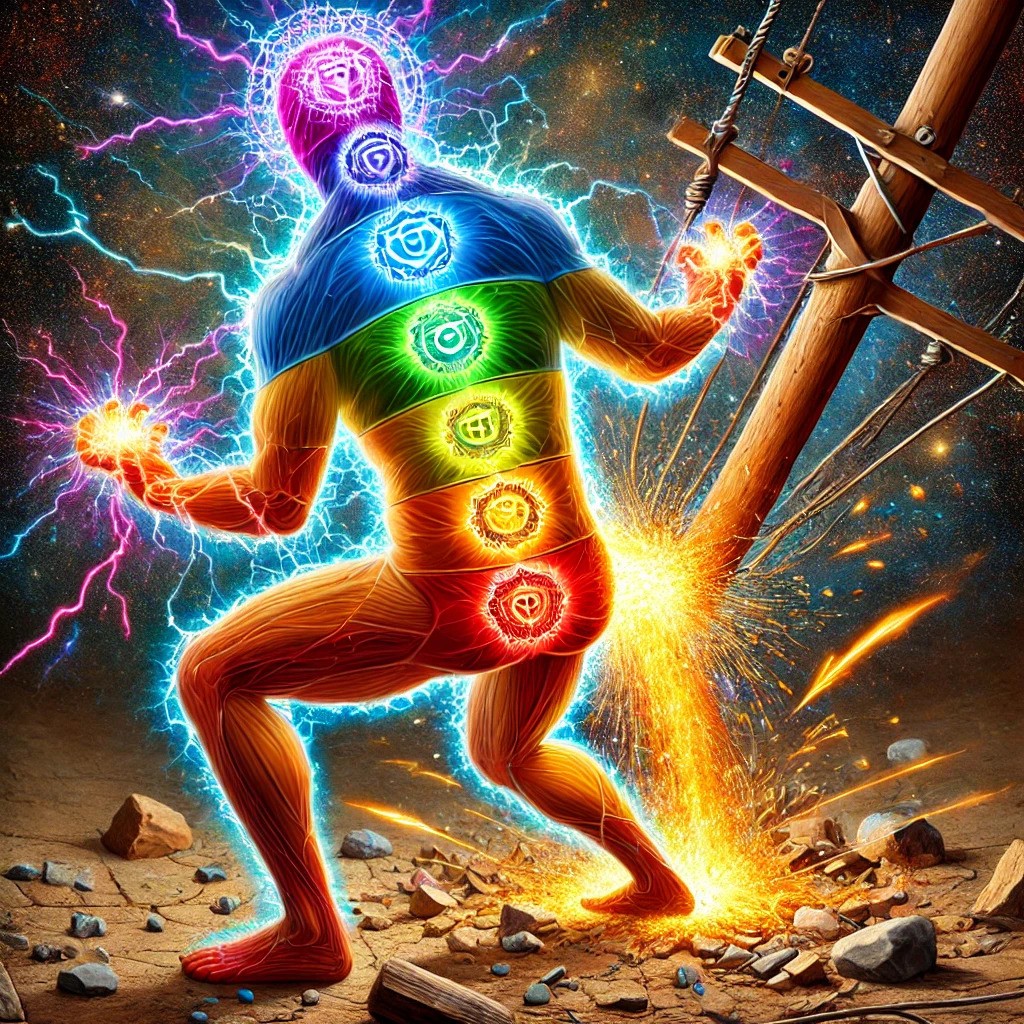
The flow of chi (life force energy) through the body reveals itself in many ways as energy pathways activate and harmonize. These sensations often begin subtly and evolve as your sensitivity to energy increases. Recognizing these signs helps you understand your energetic progress and develop a deeper connection to your body’s energy systems.
Warmth or Heat
Description: Warmth is often the first sensation of energy flow. It may feel like gentle heat or a slight “buzz” in specific areas of the body, particularly in the lower chakras.
Significance: This warmth indicates that energy is starting to flow and that blockages are loosening. It’s a sign that energy channels (or nadis) are being activated, often in response to practices like meditation, breathwork, or Qigong.
Tingling or Vibrating
Description: As energy flow increases, the initial warmth may evolve into tingling, vibrating, or buzzing sensations, akin to subtle electric currents.
Significance: Tingling shows that energy is moving more freely through the channels. It often signals increased receptivity within the chakras and a more balanced energy flow. This stage reflects growing responsiveness in your energy system.
Pulsing or Throbbing
Description: Tingling can intensify into rhythmic pulsing or throbbing, often experienced at chakra points or along the spine. This may feel like a steady heartbeat or waves of energy moving in sync with your breathing.
Significance: Pulsing indicates a deeper level of activation. Chakras are opening and aligning with natural body rhythms, suggesting a stronger energy current moving through pathways like the sushumna (central energy channel). This stage represents harmony within your energy system.
Strong Currents or Electrical “Waves”
Description: Energy sensations may transform into strong currents or waves that travel up and down the spine. These sensations may feel electric, ecstatic, or even overwhelming at times.
Significance: Strong energy waves reflect significant activation, such as kundalini energy rising through clearer energy channels. This indicates heightened alignment between chakras and a more powerful flow of chi through circuits like the Microcosmic Orbit and the Ren and Du channels.
Back Channel or “Secondary” Chakra Activation
Description: Sensations may extend beyond the front-facing chakras to the back channels, including along the spine and shoulder blades. You might feel pulsing or warmth in the back of the heart, throat, or solar plexus chakras.
Significance: This stage signifies the expansion of energy flow into secondary pathways, such as the ida and pingala nadis. It reflects a more advanced level of energy work, where chi is balanced and harmonized through both the front and back of the body.
Whole-Body Activation or “Radiance”
Description: Over time, energy sensations can expand to encompass the entire body, creating a feeling of glowing warmth, subtle humming, or being surrounded by energy.
Significance: Whole-body radiance represents full integration of the energy system. Energy flows effortlessly through the chakras, meridians, and outer energetic layers, promoting unity and connection. This is often a hallmark of deeper kundalini or chi activation, reflecting a state of alignment and vitality.
Takeaway
Experiencing and strengthening the flow of chi is a journey that connects you more deeply to your body’s energy and its limitless potential. By recognizing these sensations, you take meaningful steps toward balance, vitality, and self-discovery.
Unlock Your Energy, Transform Your Life
Discover how our wellness programs can guide you on your journey to energetic balance and vitality.